
 Earn with Nexo
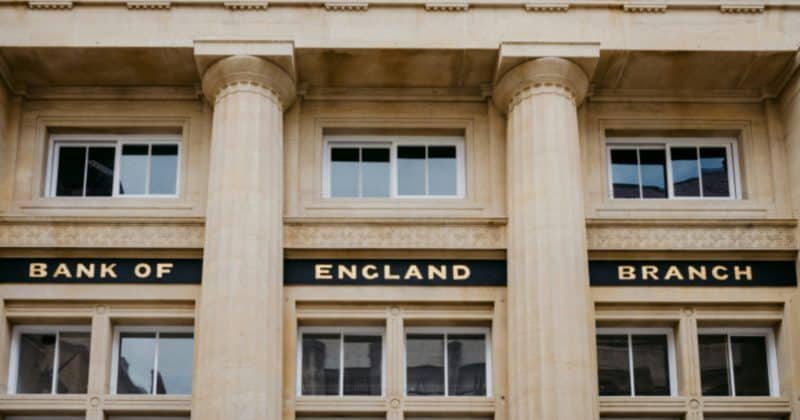
Photo: Annie Spratt
Bank of England taps Chainlink to support onchain securities settlement
Chainlink and other firms will explore settlement integration with central bank funds in exploratory program.
Chainlink, a decentralized oracle network connecting smart contracts to real-world data, has been chosen to join the Bank of England’s Synchronisation Lab, an experimental program testing how blockchain-based assets can settle alongside traditional central bank money.
JUST ANNOUNCED: Chainlink has been selected to participate in the Bank of England’s Synchronisation Lab.
Chainlink is supporting synchronized settlement between central bank money and onchain securities.
This is how the UK financial system moves onchain. pic.twitter.com/b3ho0gN1DY
— Chainlink (@chainlink) February 10, 2026
The initiative, announced today, positions the oracle provider among 18 firms selected to explore settlement coordination between sterling held at the central bank and securities recorded on distributed ledgers. The lab is scheduled to begin operations in spring 2026 and run for roughly six months.
Chainlink will focus on building a decentralized approach to executing settlements that link central bank funds with digitally issued securities. UAC Labs AG joins the project with a similar mandate, while other participants—including Swift, LSEG, and Partior—will test use cases spanning foreign-exchange transactions, tokenized bonds, and collateral management.
The Synchronisation Lab forms part of the central bank’s broader effort to modernize its Real-Time Gross Settlement infrastructure, known as RT2. Participants will interact with a simulated version of the upgraded system through dedicated APIs and a user interface, allowing them to demonstrate how their platforms would coordinate with both payment providers and asset registries.
The Bank of England has emphasized that the lab does not handle actual funds or confer regulatory approval. Instead, findings will inform design choices for a future live synchronization capability.
The project arrives as UK regulators advance a parallel consultation on systemic stablecoins, proposed rules that would govern digital tokens backed by government bonds or central bank deposits.
This is a developing story. Please come back for further updates.