Blockchain infrastructure is more important than tokens

Photo by Noah Berger

Blockchain infrastructure is more important than tokens

Prioritizing blockchain infrastructure over tokens ensures long-term growth, stability, and integration with real-world business applications.

Vivian Nguyen

Powered by Gloria

Updated 1:24 p.m. ET

In short, here’s what I think: everyone in Web3 now understands that tokens and NFTs are cool, but they’re just the tip of the iceberg. They’re worthless on their own without a robust and reliable blockchain infrastructure underneath.

That’s why now everyone who wants to build something serious, and not just follow a trend, is investing in blockchain infrastructure for DeFi rather than off-the-shelf solutions. The real value isn’t in fictitious tokens, but in how everything is structured internally: protocols, nodes, network architecture, security, and all that.

In general, DeFi projects either invest in the foundation – their own or customized infrastructure or depend on someone else’s rules, plans, and technical solutions. So, essentially, the infrastructure decides whether a project will survive, even before a token or any DeFi features are created.

Tokens are more of an add-on than a foundation
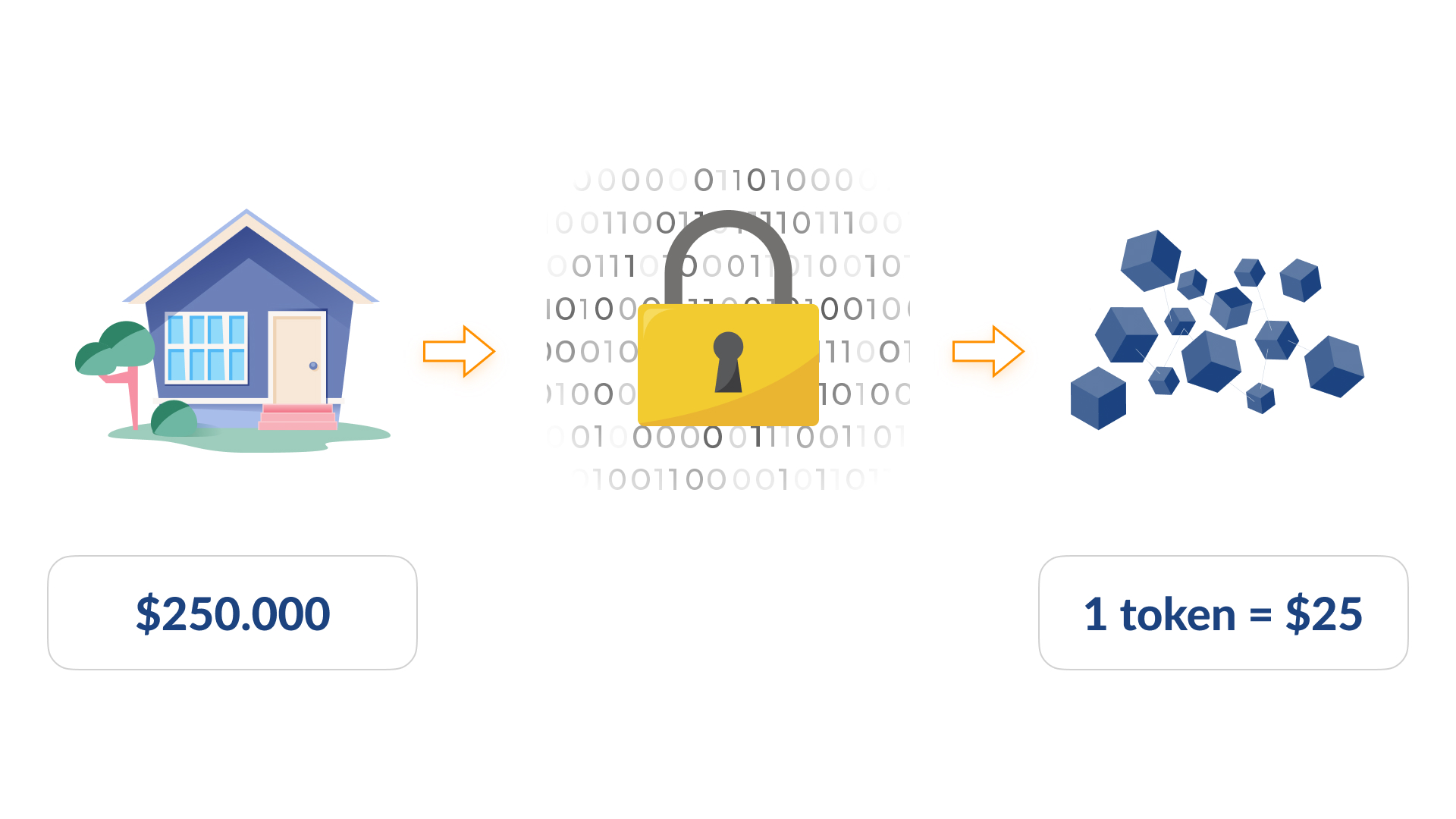
A token is like a key to a system; it can represent value, motivate people, or measure something. But on its own, it doesn’t solve the core problems: how to negotiate, how much data to process, how to avoid breakdowns, how to complete transactions, how to protect against bad actors online. If the foundation is shaky, the token becomes just a game, without any real backing. That’s why many tokens fail to stand the test of time in the market.

Examples of tokens:

  • Terra (LUNA) —this token was the centerpiece of the system, but something went wrong, and the structure collapsed. The lack of fail – safe mechanisms and risk management led to the collapse, despite all the smart economics.

  • Eos (EOS) — they got really caught up in the token and governance, but they ran into problems with operations and resources. As a result, the token exists, but no one uses the network.

  • Solana (SOL) — the infrastructure is the key here. The token is secondary to the high-performance architecture, parallel execution, and developer tooling . Demand is supported by network usage.

  • Ethereum (ETH) — value is in the EVM, standards, and a bunch of L2 solutions. ETH is like gasoline and an anchor for the economy, not an independent source of value.

  • Arbitrum (ARB) / Optimism (OP) — tokens serve governance, but network growth is determined by the quality of rollup architecture, security, and ease of integration.

Experience has shown that projects that prioritize tokens over a sound foundation quickly lose money, people, and trust. However, blockchains and L2 solutions that invest in protocol core, developer tools, and reliable runtime environments continue to grow even when the market is weak.

Blockchain architecture affect value?

Blockchain is like a layered cake, where each layer is important for the stability, growth, and adoption of the network. Compared to tokenomics, which is the cherry on top, architecture is the foundation that determines whether blockchain can truly become a foundation for business, finance, and digital platforms.

Security isn’t just a post-launch check, but an integral part of the design itself. It’s important to clearly define rules, avoid relying on trust, isolate processes, and properly work with external services (bridges, oracles). MEV (mempool design, proposer-builder) is also worth considering. Separation and protection from value-extraction directly affect the fairness and predictability of transaction execution.

For blockchain to be useful to businesses, it needs to be properly integrated. APIs, oracles, identification modules, inter- blockchain connectivity, and compatibility with common Web2/enterprise systems (such as ERP, CRM, and banking) transform blockchain from a closed database into part of the workflow. Access control, flexible permission settings, and compliance with laws are crucial here. This cannot be achieved without a well-thought-out architecture.

When building a blockchain with a solid team like Merehead, you have to make important decisions that will affect its future. Architectural flaws can grow as the network grows, while a well-designed infrastructure, conversely, will create more value over time. Therefore, the real value of a blockchain for businesses, investors, and developers depends not on the token itself, but on how well-designed the infrastructure is: reliability, scalability, and integration.

Integrating blockchain with real business
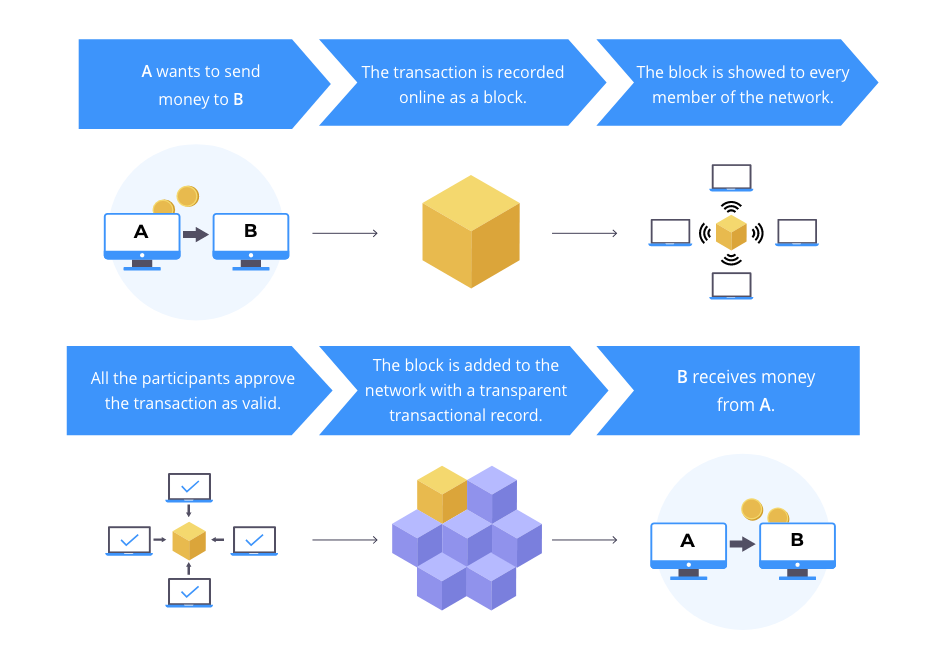
Blockchain begins to be useful when it seamlessly integrates into regular business processes without disrupting the established order. This requires a robust foundation, not just fancy numbers in crypto. Therefore, when blockchain is applied in real business, its true value is immediately clear: is it a solid tool or just a temporary toy?

It is important for any company to know who can do what with the data: Who views, who changes, who confirms? This is determined by the network’s design and access rules, not by tokens. It’s also important that the blockchain be compatible with various software, such as ERP, CRM, banking, and accounting. If it operates unpredictably and doesn’t mesh with the traditional world, it only creates problems.

It’s important that all transactions are transparent and completed on time, so that everything can be verified. If this isn’t the case, blockchain isn’t suitable for serious business.

And of course, we need to think about legal requirements right away. Audits, controls, and tracking—all of this must be built into the blockchain from the very beginning. Without it, the blockchain remains an experiment, not a working tool.

DeFi as a competition of architectural solutions, not tokenomics

In short, everything is changing in DeFi right now. Previously, everyone was chasing profits, but now the most important thing is how everything is structured. At the very beginning, everyone was only concerned with issuing tokens and making money from them, but now it’s much more important how cool your architecture is. Now everyone is looking not at the token price, but at whether the system can handle heavy loads, grow, and still benefit real businesses.

The most important thing about a DeFi project isn’t how much money it raises, but how well its core components work: how decisions are made, how everything is executed, how data is stored, and how everything interacts within the network. If the architecture is poor, no amount of tokens will help. They’ll only make things worse as users grow.

Good DeFi platforms can handle traditional business, finance, and digital services. This requires them to work with existing IT systems, ensuring predictability and testability.

Conclusion

Today, the maturity of DeFi isn’t determined by how quickly tokens are issued or their price; it’s much more important how well the entire system is designed. The foundation determines whether a blockchain can grow, how secure it is, how easy it is to update, and what applications it can be used for beyond crypto. These things can’t simply be added later; they’re built in from the ground up and remain with the system forever.

If a blockchain platform is well-designed, it becomes a valuable asset for the long term. It can handle increasing workloads, integrate with existing businesses, and comply with regulatory requirements without breaking down.

The most important thing in DeFi right now isn’t a cool token, but a solid foundation. Projects that understand this have an advantage: they’re not afraid of market ups and downs, they’re trusted by businesses, and they can thrive in the real economy. Everything else is less important.

Blockchain infrastructure is more important than tokens

Blockchain infrastructure is more important than tokens

Prioritizing blockchain infrastructure over tokens ensures long-term growth, stability, and integration with real-world business applications.

by Vivian Nguyen | Powered by Gloria

Photo by Noah Berger

In short, here’s what I think: everyone in Web3 now understands that tokens and NFTs are cool, but they’re just the tip of the iceberg. They’re worthless on their own without a robust and reliable blockchain infrastructure underneath.

That’s why now everyone who wants to build something serious, and not just follow a trend, is investing in blockchain infrastructure for DeFi rather than off-the-shelf solutions. The real value isn’t in fictitious tokens, but in how everything is structured internally: protocols, nodes, network architecture, security, and all that.

In general, DeFi projects either invest in the foundation – their own or customized infrastructure or depend on someone else’s rules, plans, and technical solutions. So, essentially, the infrastructure decides whether a project will survive, even before a token or any DeFi features are created.

Tokens are more of an add-on than a foundation

A token is like a key to a system; it can represent value, motivate people, or measure something. But on its own, it doesn’t solve the core problems: how to negotiate, how much data to process, how to avoid breakdowns, how to complete transactions, how to protect against bad actors online. If the foundation is shaky, the token becomes just a game, without any real backing. That’s why many tokens fail to stand the test of time in the market.

Examples of tokens:

  • Terra (LUNA) —this token was the centerpiece of the system, but something went wrong, and the structure collapsed. The lack of fail – safe mechanisms and risk management led to the collapse, despite all the smart economics.

  • Eos (EOS) — they got really caught up in the token and governance, but they ran into problems with operations and resources. As a result, the token exists, but no one uses the network.

  • Solana (SOL) — the infrastructure is the key here. The token is secondary to the high-performance architecture, parallel execution, and developer tooling . Demand is supported by network usage.

  • Ethereum (ETH) — value is in the EVM, standards, and a bunch of L2 solutions. ETH is like gasoline and an anchor for the economy, not an independent source of value.

  • Arbitrum (ARB) / Optimism (OP) — tokens serve governance, but network growth is determined by the quality of rollup architecture, security, and ease of integration.

Experience has shown that projects that prioritize tokens over a sound foundation quickly lose money, people, and trust. However, blockchains and L2 solutions that invest in protocol core, developer tools, and reliable runtime environments continue to grow even when the market is weak.

Blockchain architecture affect value?

Blockchain is like a layered cake, where each layer is important for the stability, growth, and adoption of the network. Compared to tokenomics, which is the cherry on top, architecture is the foundation that determines whether blockchain can truly become a foundation for business, finance, and digital platforms.

Security isn’t just a post-launch check, but an integral part of the design itself. It’s important to clearly define rules, avoid relying on trust, isolate processes, and properly work with external services (bridges, oracles). MEV (mempool design, proposer-builder) is also worth considering. Separation and protection from value-extraction directly affect the fairness and predictability of transaction execution.

For blockchain to be useful to businesses, it needs to be properly integrated. APIs, oracles, identification modules, inter- blockchain connectivity, and compatibility with common Web2/enterprise systems (such as ERP, CRM, and banking) transform blockchain from a closed database into part of the workflow. Access control, flexible permission settings, and compliance with laws are crucial here. This cannot be achieved without a well-thought-out architecture.

When building a blockchain with a solid team like Merehead, you have to make important decisions that will affect its future. Architectural flaws can grow as the network grows, while a well-designed infrastructure, conversely, will create more value over time. Therefore, the real value of a blockchain for businesses, investors, and developers depends not on the token itself, but on how well-designed the infrastructure is: reliability, scalability, and integration.

Integrating blockchain with real business

Blockchain begins to be useful when it seamlessly integrates into regular business processes without disrupting the established order. This requires a robust foundation, not just fancy numbers in crypto. Therefore, when blockchain is applied in real business, its true value is immediately clear: is it a solid tool or just a temporary toy?

It is important for any company to know who can do what with the data: Who views, who changes, who confirms? This is determined by the network’s design and access rules, not by tokens. It’s also important that the blockchain be compatible with various software, such as ERP, CRM, banking, and accounting. If it operates unpredictably and doesn’t mesh with the traditional world, it only creates problems.

It’s important that all transactions are transparent and completed on time, so that everything can be verified. If this isn’t the case, blockchain isn’t suitable for serious business.

And of course, we need to think about legal requirements right away. Audits, controls, and tracking—all of this must be built into the blockchain from the very beginning. Without it, the blockchain remains an experiment, not a working tool.

DeFi as a competition of architectural solutions, not tokenomics

In short, everything is changing in DeFi right now. Previously, everyone was chasing profits, but now the most important thing is how everything is structured. At the very beginning, everyone was only concerned with issuing tokens and making money from them, but now it’s much more important how cool your architecture is. Now everyone is looking not at the token price, but at whether the system can handle heavy loads, grow, and still benefit real businesses.

The most important thing about a DeFi project isn’t how much money it raises, but how well its core components work: how decisions are made, how everything is executed, how data is stored, and how everything interacts within the network. If the architecture is poor, no amount of tokens will help. They’ll only make things worse as users grow.

Good DeFi platforms can handle traditional business, finance, and digital services. This requires them to work with existing IT systems, ensuring predictability and testability.

Conclusion

Today, the maturity of DeFi isn’t determined by how quickly tokens are issued or their price; it’s much more important how well the entire system is designed. The foundation determines whether a blockchain can grow, how secure it is, how easy it is to update, and what applications it can be used for beyond crypto. These things can’t simply be added later; they’re built in from the ground up and remain with the system forever.

If a blockchain platform is well-designed, it becomes a valuable asset for the long term. It can handle increasing workloads, integrate with existing businesses, and comply with regulatory requirements without breaking down.

The most important thing in DeFi right now isn’t a cool token, but a solid foundation. Projects that understand this have an advantage: they’re not afraid of market ups and downs, they’re trusted by businesses, and they can thrive in the real economy. Everything else is less important.