Nexo Earn with Nexo
Israel launches new Gaza strikes as US-Iran deal talks inch forward

Israel launches new Gaza strikes as US-Iran deal talks inch forward

Continued military operations in Gaza collide with fragile diplomatic progress on reopening the Strait of Hormuz, sending ripples through crypto markets.

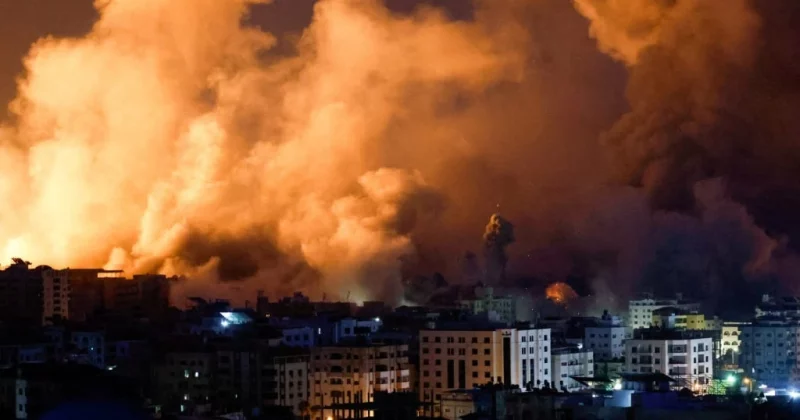
Israel struck targets in Gaza again this month, even as Washington and Tehran edge closer to what could be the most consequential Middle Eastern diplomatic agreement in years.

A targeted Israeli operation on May 17 killed Hamas commander Izz al-Din al-Haddad, underscoring that the ceasefire established in early April has been, at best, selectively observed. President Trump indicated on May 23 that progress is being made in US-Iran negotiations, with discussions centered on reopening the Strait of Hormuz and addressing Iran’s nuclear program.

From airstrikes to diplomacy: the timeline

The current chapter of this conflict traces back to February 28, 2026, when nearly 900 US-Israeli strikes hit Iranian nuclear and military infrastructure. Iran retaliated by disrupting shipping through the Strait of Hormuz, the narrow waterway through which roughly a fifth of the world’s oil supply passes on any given day.

Advertisement

A ceasefire took hold around April 7-8, 2026, but Israeli operations in Gaza have continued. Intermittent naval incidents in surrounding waters have kept the region’s threat level elevated.

Pakistan has been mediating the US-Iran talks, an unusual but pragmatically sensible choice given Islamabad’s relationships with both Washington and Tehran. The core of a potential deal reportedly involves reopening the Strait of Hormuz and some form of sanctions relief for Iran, though the nuclear dimension remains the thorniest negotiating point.

What crypto markets are pricing in

Bitcoin surged to a 12-week high of approximately $79,500 in late April 2026, riding a wave of optimism that the Iran negotiations might actually produce results. Ethereum tracked a similar trajectory upward.

Iran has increasingly turned to digital assets as a mechanism to navigate the extensive sanctions regime imposed by the US and its allies. When traditional banking channels are blocked, crypto offers an alternative rail for moving value across borders. Reports have even surfaced of proposals involving digital token-based tolls for Strait of Hormuz transit.

What this means for investors

The continued Israeli strikes in Gaza complicate the diplomatic picture considerably. Even if a US-Iran framework agreement is reached, sustained military operations against Hamas create political friction that could unravel broader regional negotiations.

Regulatory risk is a separate concern. As governments increasingly use crypto to circumvent sanctions, Western regulators have additional ammunition to tighten oversight of digital asset flows. For traders, the immediate playbook centers on watching the Hormuz headlines, as a single diplomatic statement or military operation can move the market more than any on-chain metric right now.

Disclosure: This article was edited by Editorial Team. For more information on how we create and review content, see our Editorial Policy.

Israel launches new Gaza strikes as US-Iran deal talks inch forward

Israel launches new Gaza strikes as US-Iran deal talks inch forward

Continued military operations in Gaza collide with fragile diplomatic progress on reopening the Strait of Hormuz, sending ripples through crypto markets.

Israel struck targets in Gaza again this month, even as Washington and Tehran edge closer to what could be the most consequential Middle Eastern diplomatic agreement in years.

A targeted Israeli operation on May 17 killed Hamas commander Izz al-Din al-Haddad, underscoring that the ceasefire established in early April has been, at best, selectively observed. President Trump indicated on May 23 that progress is being made in US-Iran negotiations, with discussions centered on reopening the Strait of Hormuz and addressing Iran’s nuclear program.

From airstrikes to diplomacy: the timeline

The current chapter of this conflict traces back to February 28, 2026, when nearly 900 US-Israeli strikes hit Iranian nuclear and military infrastructure. Iran retaliated by disrupting shipping through the Strait of Hormuz, the narrow waterway through which roughly a fifth of the world’s oil supply passes on any given day.

Advertisement

A ceasefire took hold around April 7-8, 2026, but Israeli operations in Gaza have continued. Intermittent naval incidents in surrounding waters have kept the region’s threat level elevated.

Pakistan has been mediating the US-Iran talks, an unusual but pragmatically sensible choice given Islamabad’s relationships with both Washington and Tehran. The core of a potential deal reportedly involves reopening the Strait of Hormuz and some form of sanctions relief for Iran, though the nuclear dimension remains the thorniest negotiating point.

What crypto markets are pricing in

Bitcoin surged to a 12-week high of approximately $79,500 in late April 2026, riding a wave of optimism that the Iran negotiations might actually produce results. Ethereum tracked a similar trajectory upward.

Iran has increasingly turned to digital assets as a mechanism to navigate the extensive sanctions regime imposed by the US and its allies. When traditional banking channels are blocked, crypto offers an alternative rail for moving value across borders. Reports have even surfaced of proposals involving digital token-based tolls for Strait of Hormuz transit.

What this means for investors

The continued Israeli strikes in Gaza complicate the diplomatic picture considerably. Even if a US-Iran framework agreement is reached, sustained military operations against Hamas create political friction that could unravel broader regional negotiations.

Regulatory risk is a separate concern. As governments increasingly use crypto to circumvent sanctions, Western regulators have additional ammunition to tighten oversight of digital asset flows. For traders, the immediate playbook centers on watching the Hormuz headlines, as a single diplomatic statement or military operation can move the market more than any on-chain metric right now.

Disclosure: This article was edited by Editorial Team. For more information on how we create and review content, see our Editorial Policy.