
 Earn with Nexo
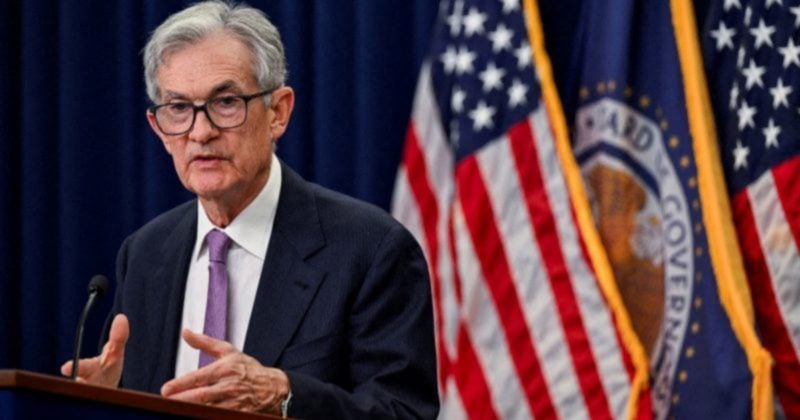
Photo: Annabelle Gordon
Powell says rate policy under threat after DOJ action against the Fed
Powell vows to uphold monetary policy decisions amid political pressure.
Fed Chair Jerome Powell has alleged that the Department of Justice is using criminal charges as a tool to pressure the central bank’s monetary policy decisions.
In a statement issued on January 11, Powell said the central bank was served grand jury subpoenas by the DOJ on Friday related to his testimony before the Senate last June about a renovation project for historic Fed offices.
However, the Fed chief stated that the charges were unrelated to his testimony but were a result of the Fed maintaining independent control over interest rate decisions despite pressure from the White House.
“The threat of criminal charges is a consequence of the Federal Reserve setting interest rates based on our best assessment of what will serve the public, rather than following the preferences of the President,” Powell stated.
It is no secret that the Fed and the Trump administration are far from reaching common ground on interest rate policy. Trump has repeatedly pressured the central bank to lower bank rates since taking office.
The US President has also stepped up efforts in recent months to identify the next Fed Chair candidate in order to fill the vacancy Powell will soon leave behind once his term expires.
Powell is expected to step down as chairman in mid-May, although he retains the option to remain on the Board of Governors until 2028.
“This is about whether the Fed will be able to continue to set interest rates based on evidence and economic conditions—or whether instead monetary policy will be directed by political pressure or intimidation,” Powell stressed.
The Fed chair, who has served under four administrations, said he would continue performing his duties “without political fear or favor.”