
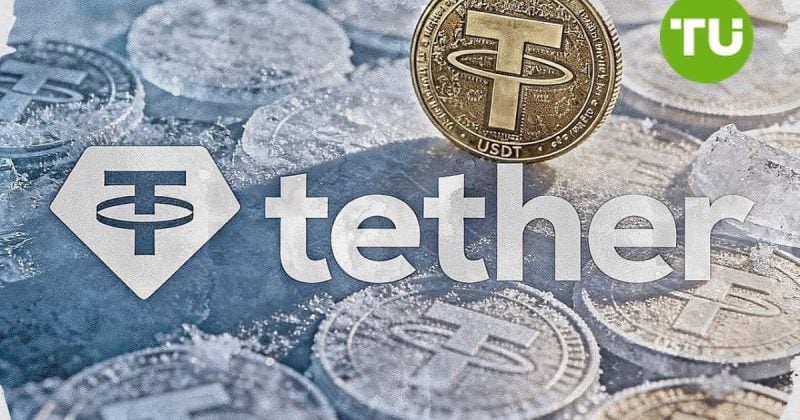
Tether freezes USDT in 131 TRON wallets linked to ISIS-K

Tether freezes USDT in 131 TRON wallets linked to ISIS-K

The stablecoin issuer moved immediately after OFAC sanctioned 134 crypto wallets tied to the terrorist organization's fundraising network

Tether froze every dollar of USDT held across 131 TRON wallet addresses linked to ISIS-K on July 1, acting within hours of the US Treasury’s Office of Foreign Assets Control adding those wallets to its sanctions blacklist. The move effectively turned those funds into digital paperweights, inaccessible and unmovable.

OFAC’s designation covered 134 crypto wallet addresses in total: 131 on the TRON blockchain and 3 on the Monero network. The Monero addresses present a different problem entirely, since Monero is a privacy-focused cryptocurrency with no central issuer capable of freezing funds. But on the TRON side, Tether’s compliance machinery kicked in fast.

Advertisement

Following the money

According to analysis from Chainalysis, the 131 TRON wallets received over $1.4 million in funds since 2023. Outflows exceeded $880,000, with some of those transactions routed to exchanges based in Syria.

ISIS-K, formally known as ISIL Khorasan, has been designated as a terrorist organization by the US since September 2015. The group has leveraged crypto for fundraising through its media wing, al-Azaim Media Foundation, using digital assets as a way to move money across borders without touching traditional banking rails.

Tether’s expanding enforcement role

This wasn’t Tether’s first rodeo with sanctions compliance. The company has collaborated with more than 340 law enforcement agencies globally to monitor and freeze sanctioned assets.

The July 1 action also included a separate OFAC designation targeting two Brazilian nationals and four companies connected to the PCC criminal group, which allegedly laundered over $30 million using cryptocurrency.

The inclusion of three Monero addresses in the designation is worth pausing on. Monero, by design, obscures transaction details and wallet balances. There is no centralized entity that can freeze Monero the way Tether can freeze USDT. Adding those addresses to the sanctions list serves more as a compliance signal to exchanges: if you see funds from these addresses, you are legally obligated to block them.

Disclosure: This article was edited by Editorial Team. For more information on how we create and review content, see our Editorial Policy.

Tether freezes USDT in 131 TRON wallets linked to ISIS-K

Tether freezes USDT in 131 TRON wallets linked to ISIS-K

The stablecoin issuer moved immediately after OFAC sanctioned 134 crypto wallets tied to the terrorist organization's fundraising network

Tether froze every dollar of USDT held across 131 TRON wallet addresses linked to ISIS-K on July 1, acting within hours of the US Treasury’s Office of Foreign Assets Control adding those wallets to its sanctions blacklist. The move effectively turned those funds into digital paperweights, inaccessible and unmovable.

OFAC’s designation covered 134 crypto wallet addresses in total: 131 on the TRON blockchain and 3 on the Monero network. The Monero addresses present a different problem entirely, since Monero is a privacy-focused cryptocurrency with no central issuer capable of freezing funds. But on the TRON side, Tether’s compliance machinery kicked in fast.

Advertisement

Following the money

According to analysis from Chainalysis, the 131 TRON wallets received over $1.4 million in funds since 2023. Outflows exceeded $880,000, with some of those transactions routed to exchanges based in Syria.

ISIS-K, formally known as ISIL Khorasan, has been designated as a terrorist organization by the US since September 2015. The group has leveraged crypto for fundraising through its media wing, al-Azaim Media Foundation, using digital assets as a way to move money across borders without touching traditional banking rails.

Tether’s expanding enforcement role

This wasn’t Tether’s first rodeo with sanctions compliance. The company has collaborated with more than 340 law enforcement agencies globally to monitor and freeze sanctioned assets.

The July 1 action also included a separate OFAC designation targeting two Brazilian nationals and four companies connected to the PCC criminal group, which allegedly laundered over $30 million using cryptocurrency.

The inclusion of three Monero addresses in the designation is worth pausing on. Monero, by design, obscures transaction details and wallet balances. There is no centralized entity that can freeze Monero the way Tether can freeze USDT. Adding those addresses to the sanctions list serves more as a compliance signal to exchanges: if you see funds from these addresses, you are legally obligated to block them.

Disclosure: This article was edited by Editorial Team. For more information on how we create and review content, see our Editorial Policy.