
Nexo Earn with Nexo
Ex-Andreessen Horowitz partner criticizes firm for AI political infiltration

Ex-Andreessen Horowitz partner criticizes firm for AI political infiltration

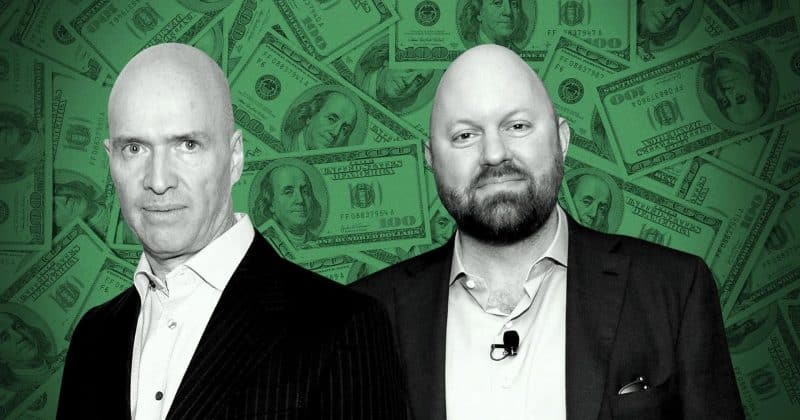
John O'Farrell, the first general partner hired by a16z, accuses his former colleagues of weaponizing political donations to crush AI regulation

The first person Andreessen Horowitz ever hired as a general partner just turned around and torched the place in the New York Times.

John O’Farrell, who left the firm before publishing a guest essay on June 11, accused a16z and other venture capital heavyweights of funneling hundreds of millions of dollars into political action committees designed to kneecap candidates who support stricter AI oversight.

Advertisement

The case against a16z’s political machine

O’Farrell’s essay zeroes in on specific vehicles for this influence: PACs like Fairshake and Leading the Future. According to O’Farrell, they represent a coordinated effort by powerful AI figures, including some of his former partners, to fortify politicians who favor minimal regulation while targeting those who push for meaningful guardrails.

A16z’s foray into direct political donations began at least by December 2023 under Ben Horowitz’s leadership, initially drawing attention for its unusual aggressiveness by VC standards. What O’Farrell describes is the logical extension of that early push: a now-mature political infrastructure designed to shape AI policy during a period when the Trump administration is actively engaged in debates over technology governance.

A fracture line inside Silicon Valley

The timing is notable. AI policy sits at a genuinely uncertain inflection point. Multiple proposals for oversight are circulating through Congress and state legislatures, and the lobbying battle over which frameworks win out is intensifying. O’Farrell’s argument is essentially that his former colleagues aren’t just participating in this debate. They’re trying to buy the outcome.

What this means for investors

For crypto and tech investors, this dispute matters on several levels. First, the firms most aggressively spending on political influence around AI, including a16z, are also some of the largest players in crypto venture capital. A16z’s crypto fund has been one of the most active deployers of capital in the web3 space.

Second, the Fairshake PAC that O’Farrell called out has been active in crypto-related races as well, not just AI policy. The political infrastructure being criticized here isn’t siloed. It stretches across both AI and digital asset regulation, meaning any scrutiny generated by O’Farrell’s essay could spill over into crypto policy battles too.

Disclosure: This article was edited by Editorial Team. For more information on how we create and review content, see our Editorial Policy.

Ex-Andreessen Horowitz partner criticizes firm for AI political infiltration

Ex-Andreessen Horowitz partner criticizes firm for AI political infiltration

John O'Farrell, the first general partner hired by a16z, accuses his former colleagues of weaponizing political donations to crush AI regulation

The first person Andreessen Horowitz ever hired as a general partner just turned around and torched the place in the New York Times.

John O’Farrell, who left the firm before publishing a guest essay on June 11, accused a16z and other venture capital heavyweights of funneling hundreds of millions of dollars into political action committees designed to kneecap candidates who support stricter AI oversight.

Advertisement

The case against a16z’s political machine

O’Farrell’s essay zeroes in on specific vehicles for this influence: PACs like Fairshake and Leading the Future. According to O’Farrell, they represent a coordinated effort by powerful AI figures, including some of his former partners, to fortify politicians who favor minimal regulation while targeting those who push for meaningful guardrails.

A16z’s foray into direct political donations began at least by December 2023 under Ben Horowitz’s leadership, initially drawing attention for its unusual aggressiveness by VC standards. What O’Farrell describes is the logical extension of that early push: a now-mature political infrastructure designed to shape AI policy during a period when the Trump administration is actively engaged in debates over technology governance.

A fracture line inside Silicon Valley

The timing is notable. AI policy sits at a genuinely uncertain inflection point. Multiple proposals for oversight are circulating through Congress and state legislatures, and the lobbying battle over which frameworks win out is intensifying. O’Farrell’s argument is essentially that his former colleagues aren’t just participating in this debate. They’re trying to buy the outcome.

What this means for investors

For crypto and tech investors, this dispute matters on several levels. First, the firms most aggressively spending on political influence around AI, including a16z, are also some of the largest players in crypto venture capital. A16z’s crypto fund has been one of the most active deployers of capital in the web3 space.

Second, the Fairshake PAC that O’Farrell called out has been active in crypto-related races as well, not just AI policy. The political infrastructure being criticized here isn’t siloed. It stretches across both AI and digital asset regulation, meaning any scrutiny generated by O’Farrell’s essay could spill over into crypto policy battles too.

Disclosure: This article was edited by Editorial Team. For more information on how we create and review content, see our Editorial Policy.