
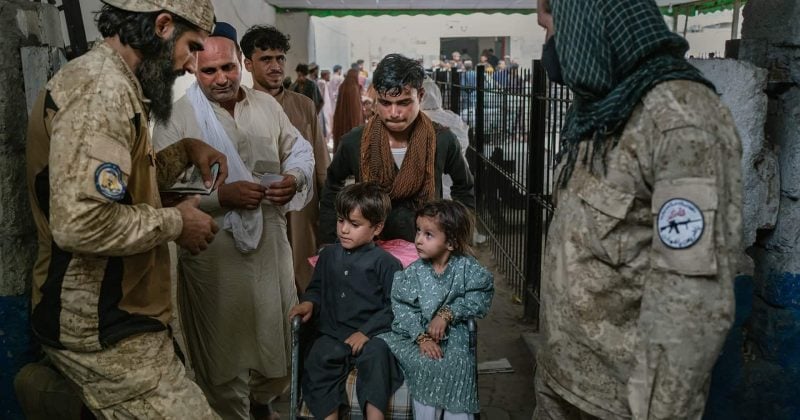
Afghan Taliban strikes escalate tensions on Pakistan border amid ongoing conflict

https://www.cfr.org/articles/why-are-the-afghan-taliban-and-pakistan-in-an-open-war

Afghan Taliban strikes escalate tensions on Pakistan border amid ongoing conflict

US military action in 2026

The Afghan Taliban has launched strikes on the border with Pakistan, prompting a military response from Pakistan, including the downing of four drones. This escalation is part of the ongoing 2026 Afghanistan–Pakistan war, which began earlier this year following Pakistan’s declaration of open conflict over alleged Taliban support for Tehrik-e-Taliban Pakistan (TTP). The recent exchanges highlight the intensifying military engagements along the Durand Line, with significant casualties and displacement reported in the region.

The ongoing conflict has seen increased military activities, including drone warfare targeting strategic Pakistani locations. The Taliban’s use of offensive drone strikes marks a shift in tactics, escalating from border skirmishes to more aggressive actions aimed at Pakistani urban and military centers. This development may influence broader geopolitical dynamics, particularly concerning US military involvement in the region.

Advertisement

Market pricing on the likelihood of US military action in 2026 appears to reflect this escalation. With the current odds of the US conducting military strikes in eight different countries this year at 38%, the situation in Afghanistan and Pakistan could be a contributing factor. The heightened conflict may suggest a potential increase in US engagement, as markets observe these developments closely.

Key Takeaways

  • Market activity suggests the Afghan Taliban’s strikes on Pakistan are consistent with scenarios that could increase US military involvement in the region.
  • The conflict escalation aligns with a 38% likelihood of US military strikes in multiple countries in 2026, reflecting heightened regional tensions.
  • Observers note the shift in Taliban tactics to offensive drone strikes as a significant development in the ongoing conflict.

What to Watch

Observers will monitor any response from the United States, including statements from President Trump or military leaders such as Adm. Brad Cooper. Developments in the Afghanistan–Pakistan conflict may influence US foreign policy decisions, potentially impacting market expectations of US military actions. Additionally, any shifts in diplomatic or military strategies by Pakistan or Afghanistan could alter the current trajectory of the conflict.

Get prediction market intelligence as a structured API feed. Early access waitlist.

Disclosure: This article was edited by Estefano Gomez. For more information on how we create and review content, see our Editorial Policy.

Afghan Taliban strikes escalate tensions on Pakistan border amid ongoing conflict

Afghan Taliban strikes escalate tensions on Pakistan border amid ongoing conflict

US military action in 2026

https://www.cfr.org/articles/why-are-the-afghan-taliban-and-pakistan-in-an-open-war

The Afghan Taliban has launched strikes on the border with Pakistan, prompting a military response from Pakistan, including the downing of four drones. This escalation is part of the ongoing 2026 Afghanistan–Pakistan war, which began earlier this year following Pakistan’s declaration of open conflict over alleged Taliban support for Tehrik-e-Taliban Pakistan (TTP). The recent exchanges highlight the intensifying military engagements along the Durand Line, with significant casualties and displacement reported in the region.

The ongoing conflict has seen increased military activities, including drone warfare targeting strategic Pakistani locations. The Taliban’s use of offensive drone strikes marks a shift in tactics, escalating from border skirmishes to more aggressive actions aimed at Pakistani urban and military centers. This development may influence broader geopolitical dynamics, particularly concerning US military involvement in the region.

Advertisement

Market pricing on the likelihood of US military action in 2026 appears to reflect this escalation. With the current odds of the US conducting military strikes in eight different countries this year at 38%, the situation in Afghanistan and Pakistan could be a contributing factor. The heightened conflict may suggest a potential increase in US engagement, as markets observe these developments closely.

Key Takeaways

  • Market activity suggests the Afghan Taliban’s strikes on Pakistan are consistent with scenarios that could increase US military involvement in the region.
  • The conflict escalation aligns with a 38% likelihood of US military strikes in multiple countries in 2026, reflecting heightened regional tensions.
  • Observers note the shift in Taliban tactics to offensive drone strikes as a significant development in the ongoing conflict.

What to Watch

Observers will monitor any response from the United States, including statements from President Trump or military leaders such as Adm. Brad Cooper. Developments in the Afghanistan–Pakistan conflict may influence US foreign policy decisions, potentially impacting market expectations of US military actions. Additionally, any shifts in diplomatic or military strategies by Pakistan or Afghanistan could alter the current trajectory of the conflict.

Get prediction market intelligence as a structured API feed. Early access waitlist.

Disclosure: This article was edited by Estefano Gomez. For more information on how we create and review content, see our Editorial Policy.