
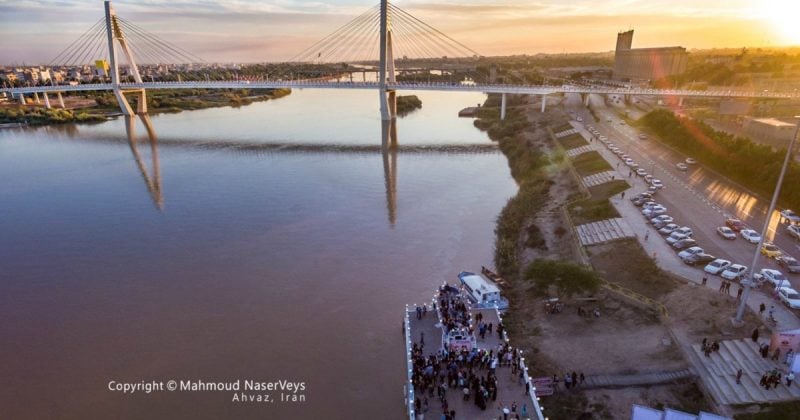
Explosions rock Ahvaz as US-Iran conflict escalates across southern Iran

Explosions rock Ahvaz as US-Iran conflict escalates across southern Iran

Blasts attributed to US military strikes forced the evacuation of over 200 hospital patients in the southwestern Iranian city

Multiple explosions struck Ahvaz, a major city in southwestern Iran, on July 14, 2026, according to reports from state-affiliated outlets including Fars News and Mehr News. The blasts were attributed to US military actions, adding a sharp new chapter to an already dangerous escalation between Washington and Tehran.

Ahvaz was not alone. Explosions were also reported in Bandar Abbas, Chabahar, and Bushehr, effectively lighting up Iran’s southern coastline in a single day.

What happened on the ground

The most immediate humanitarian consequence in Ahvaz was the evacuation of Shahid Baghaei hospital. More than 200 patients were relocated as blasts struck nearby.

Ahvaz sits in Khuzestan province, which accounts for a significant share of Iran’s oil production infrastructure. Strikes anywhere near that corridor carry implications that extend well past the battlefield.

Advertisement

According to Iranian state media reports, Iranian attacks on Gulf nations preceded the US strikes, framing the current round of violence as an exchange rather than an opening move. Independent verification of that sequencing remains difficult given the information environment in the region.

The geographic spread of the July 14 explosions, from Ahvaz in the southwest to Chabahar near the Pakistani border, suggests a coordinated operational scope rather than isolated incidents.

Why Ahvaz keeps appearing in the headlines

This is not Ahvaz’s first brush with large-scale explosions in 2026. In January and February, gas explosions in the city resulted in at least four deaths.

Ahvaz is the capital of Khuzestan, a province that borders Iraq and sits atop some of Iran’s most productive oil fields. Any sustained military activity in or around it creates immediate questions about supply continuity for a region that already operates under significant sanctions pressure.

What this means for markets and crypto

In acute crisis moments, traders historically reach for the most liquid and familiar safe havens first. That usually means US Treasury bonds and gold, not Bitcoin. Crypto markets tend to sell off in the initial shock phase alongside equities, then sometimes recover as the macro picture clarifies.

If the conflict disrupts Iranian oil exports or spooks Gulf producers into cutting back operations, the inflationary pressure that follows could strengthen the long-term case for Bitcoin as a purchasing power hedge.

Khuzestan province’s oil fields represent a meaningful share of global supply at the margins. A prolonged conflict that degrades production capacity in that region would filter through to fuel prices globally.

Disclosure: This article was edited by Editorial Team. For more information on how we create and review content, see our Editorial Policy.

Explosions rock Ahvaz as US-Iran conflict escalates across southern Iran

Explosions rock Ahvaz as US-Iran conflict escalates across southern Iran

Blasts attributed to US military strikes forced the evacuation of over 200 hospital patients in the southwestern Iranian city

Multiple explosions struck Ahvaz, a major city in southwestern Iran, on July 14, 2026, according to reports from state-affiliated outlets including Fars News and Mehr News. The blasts were attributed to US military actions, adding a sharp new chapter to an already dangerous escalation between Washington and Tehran.

Ahvaz was not alone. Explosions were also reported in Bandar Abbas, Chabahar, and Bushehr, effectively lighting up Iran’s southern coastline in a single day.

What happened on the ground

The most immediate humanitarian consequence in Ahvaz was the evacuation of Shahid Baghaei hospital. More than 200 patients were relocated as blasts struck nearby.

Ahvaz sits in Khuzestan province, which accounts for a significant share of Iran’s oil production infrastructure. Strikes anywhere near that corridor carry implications that extend well past the battlefield.

Advertisement

According to Iranian state media reports, Iranian attacks on Gulf nations preceded the US strikes, framing the current round of violence as an exchange rather than an opening move. Independent verification of that sequencing remains difficult given the information environment in the region.

The geographic spread of the July 14 explosions, from Ahvaz in the southwest to Chabahar near the Pakistani border, suggests a coordinated operational scope rather than isolated incidents.

Why Ahvaz keeps appearing in the headlines

This is not Ahvaz’s first brush with large-scale explosions in 2026. In January and February, gas explosions in the city resulted in at least four deaths.

Ahvaz is the capital of Khuzestan, a province that borders Iraq and sits atop some of Iran’s most productive oil fields. Any sustained military activity in or around it creates immediate questions about supply continuity for a region that already operates under significant sanctions pressure.

What this means for markets and crypto

In acute crisis moments, traders historically reach for the most liquid and familiar safe havens first. That usually means US Treasury bonds and gold, not Bitcoin. Crypto markets tend to sell off in the initial shock phase alongside equities, then sometimes recover as the macro picture clarifies.

If the conflict disrupts Iranian oil exports or spooks Gulf producers into cutting back operations, the inflationary pressure that follows could strengthen the long-term case for Bitcoin as a purchasing power hedge.

Khuzestan province’s oil fields represent a meaningful share of global supply at the margins. A prolonged conflict that degrades production capacity in that region would filter through to fuel prices globally.

Disclosure: This article was edited by Editorial Team. For more information on how we create and review content, see our Editorial Policy.