
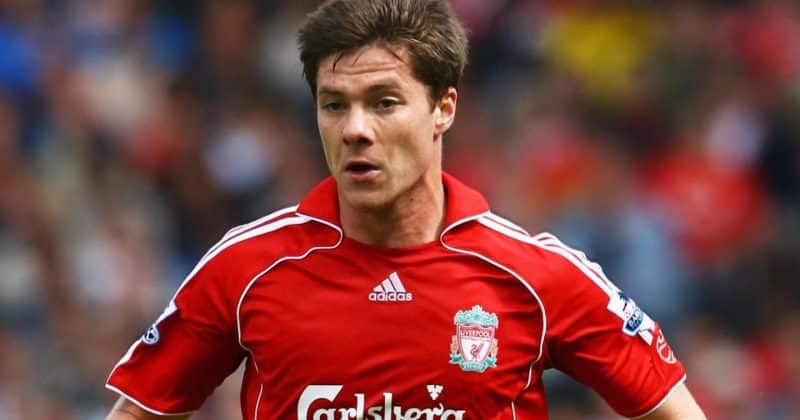
Xabi Alonso and Álvaro Arbeloa set for Premier League managerial debut clash
Former Real Madrid and Liverpool teammates will meet as opposing managers on matchday 1, highlighting how football's coaching pipeline increasingly intersects with crypto-adjacent club ownership
Two former teammates who shared dressing rooms at both Real Madrid and Liverpool will now share a touchline as opposing Premier League managers. Xabi Alonso’s Chelsea and Álvaro Arbeloa’s Fulham are set to face off on Matchday 1 of the 2026/27 season, marking both coaches’ debut in English football’s top flight.
From midfield partners to dugout rivals
Alonso was confirmed as Chelsea’s new manager on May 17, 2026, signing a four-year contract that kicks in on July 1. He replaces Liam Rosenior at Stamford Bridge after a brief and turbulent stint at Real Madrid that lasted from June 2025 to January 2026.
The Spaniard built his managerial reputation at Bayer Leverkusen, where he turned a perennial also-ran into Bundesliga champions. His move to Real Madrid was supposed to be a coronation. Instead, it lasted roughly seven months. Chelsea, ever the landing spot for managers with something to prove, came calling.
Arbeloa’s path to Fulham was quieter but no less interesting. The former right-back was appointed head coach around July 7, 2026, on a three-year deal, stepping in after Marco Silva’s departure from Craven Cottage.
The news moving money, markets, and the world—before your day starts.
Daily. Free. Join 34,000+ readers across crypto, finance, and policy.
Why crypto-adjacent sports investors are watching
Fulham has been exploring partnerships with blockchain entities as part of its broader commercial strategy. The club sits in a unique position: a London-based Premier League side with global reach but without the saturated sponsorship portfolio of the league’s biggest names. Chelsea’s ownership group, which took control of the club in a multi-billion-dollar acquisition, has been reshaping the club’s commercial strategy since day one.
Neither Alonso nor Arbeloa was hired because of any crypto connection. These are football appointments made for football reasons. But the commercial ecosystems surrounding both clubs mean that managerial transitions inevitably ripple outward into sponsorship markets and the digital asset partnerships that have become standard operating procedure for modern football clubs.