
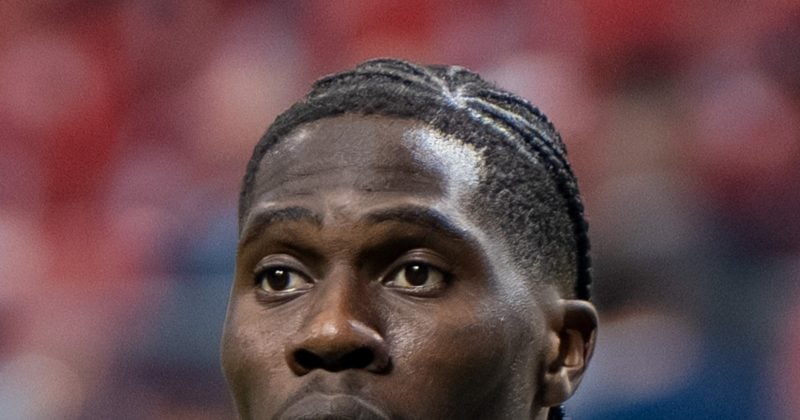
Amadou Onana faces Senegal at World Cup, highlighting migration and resilience
The Belgian midfielder born in Dakar confronts his country of birth on football's biggest stage, exposing the emotional weight carried by immigrant athletes
There is a particular kind of quiet dread that comes with being asked to compete against the place that made you. Amadou Onana, the Aston Villa defensive midfielder born in Dakar, Senegal, knows that feeling intimately. As Belgium prepares to face Senegal at the 2026 FIFA World Cup, Onana finds himself standing on the pitch against the country he left as an 11-year-old boy, a scenario he has openly wished to avoid.
In June 2026, Onana expressed his reluctance in stark terms. “S’il te plait, ne me fais pas jouer contre eux,” he said. In English: “Please, don’t make me play against them.”
A life built across two continents
Onana was born on August 16, 2001, in Dakar. He relocated to Belgium at the age of 11, a move that would ultimately chart the course of his professional career.
He rose through Belgian football’s development pipeline, eventually earning his senior international debut in June 2022. That same year, he was included in Belgium’s squad for the 2022 World Cup in Qatar, where he made two appearances. He then went on to play every minute of Belgium’s campaign at UEFA Euro 2024, cementing himself as a fixture in the national setup.
In July 2024, Aston Villa signed Onana from Everton for a reported £50 million, making him one of the more expensive midfield acquisitions in the Premier League that summer. His current market value sits at approximately €45 million as of mid-2026.
The news moving money, markets, and the world—before your day starts.
Daily. Free. Join 34,000+ readers across crypto, finance, and policy.
Racism, resilience, and the cost of visibility
In August 2023, while still at Everton, Onana was subjected to online racist abuse. The incident was serious enough to trigger a police investigation.
The dual identity dilemma in international football
Onana chose Belgium. He has been cap-tied since his senior debut in June 2022. When a player like Onana says he doesn’t want to face Senegal, he’s articulating something that transcends football tactics. He’s saying that the people on the other side of the pitch are not simply opponents. They are a reflection of where he comes from, of a childhood that shaped him before Belgium ever did.
For fans and observers, Onana’s World Cup fixture against Senegal is worth watching not just for the tactical matchup, but for what it represents about the human cost of migration in elite sport. A £50 million player, a Belgian international, a Dakar-born son.