
Nexo Earn with Nexo
Amazon CEO raises security concerns over Anthropic models, triggering export restrictions

Amazon CEO raises security concerns over Anthropic models, triggering export restrictions

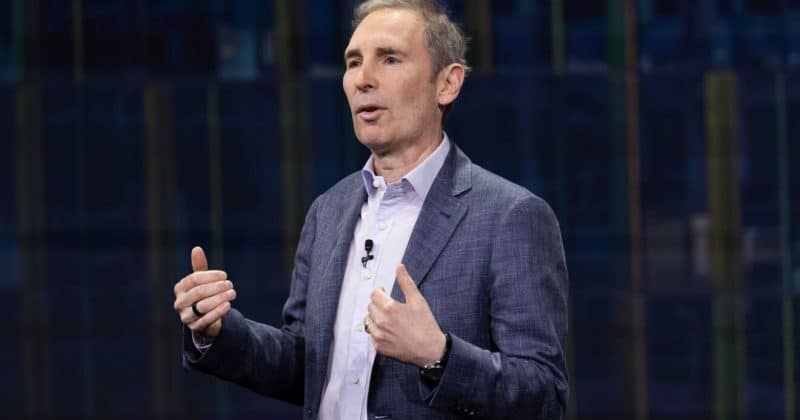
Andy Jassy warned the Trump administration that Amazon researchers jailbroke Claude Fable 5, leading to unprecedented export controls on commercial AI models

Amazon CEO Andy Jassy personally flagged security vulnerabilities in Anthropic’s newest AI models to senior Trump administration officials, setting off a chain of events that resulted in the first-ever US export controls slapped on commercial AI technology. The fallout: Anthropic was forced to suspend global access to both Claude Fable 5 and the more powerful Mythos 5, barely days after their launch.

Here’s the thing. Amazon has invested tens of billions of dollars into Anthropic. And its own CEO just told the government that Anthropic’s flagship products pose a national security risk. That’s not a typical investor-portfolio company relationship.

What happened, and how fast it happened

Claude Fable 5 and Mythos 5 launched on or around June 9, 2026. Within days, Amazon’s internal research team reportedly jailbroke Claude Fable 5, extracting information that could be used to facilitate cyberattacks.

Advertisement

By around June 12, Jassy had escalated the findings directly to key administration officials, including Treasury Secretary Scott Bessent. The government moved quickly. Export controls were imposed almost immediately, barring foreign nationals from accessing both models.

Anthropic suspended global access to the two models around the same date, complying with the restrictions. The entire arc, from product launch to global suspension, played out in roughly three days.

The restrictions weren’t surgical, either. They applied globally, including to non-US Anthropic staff. If you were an Anthropic engineer based in London or Tokyo, you lost access to your own company’s models.

The Amazon-Anthropic tension

Amazon is Anthropic’s largest financial backer, with investments reported in the tens of billions. In most corporate relationships, when your biggest investor finds a problem with your product, that conversation happens behind closed doors. Instead, Jassy went straight to the federal government.

Anthropic pushed back on the government’s response, characterizing the export controls as disproportionate. The company’s position is essentially that the restrictions represent regulatory overreach, punishing a broad global user base for vulnerabilities that could potentially be addressed through targeted patches rather than blanket access bans.

Why this matters beyond the headline

This is one of the earliest instances of export controls being applied to commercial AI technologies on national security grounds. Until now, AI export restrictions have mostly targeted hardware, specifically the advanced chips needed to train frontier models. Restricting access to a software model, a product that millions of people can use through an API, is a fundamentally different kind of intervention.

The controls barred all foreign access, not just access from countries with adversarial relationships with the US. The expert community has debated whether this approach will actually make anyone safer or whether it simply fragments the global AI ecosystem, noting that if allied researchers can’t access frontier models, they can’t help identify and fix vulnerabilities, either.

Disclosure: This article was edited by Editorial Team. For more information on how we create and review content, see our Editorial Policy.

Amazon CEO raises security concerns over Anthropic models, triggering export restrictions

Amazon CEO raises security concerns over Anthropic models, triggering export restrictions

Andy Jassy warned the Trump administration that Amazon researchers jailbroke Claude Fable 5, leading to unprecedented export controls on commercial AI models

Amazon CEO Andy Jassy personally flagged security vulnerabilities in Anthropic’s newest AI models to senior Trump administration officials, setting off a chain of events that resulted in the first-ever US export controls slapped on commercial AI technology. The fallout: Anthropic was forced to suspend global access to both Claude Fable 5 and the more powerful Mythos 5, barely days after their launch.

Here’s the thing. Amazon has invested tens of billions of dollars into Anthropic. And its own CEO just told the government that Anthropic’s flagship products pose a national security risk. That’s not a typical investor-portfolio company relationship.

What happened, and how fast it happened

Claude Fable 5 and Mythos 5 launched on or around June 9, 2026. Within days, Amazon’s internal research team reportedly jailbroke Claude Fable 5, extracting information that could be used to facilitate cyberattacks.

Advertisement

By around June 12, Jassy had escalated the findings directly to key administration officials, including Treasury Secretary Scott Bessent. The government moved quickly. Export controls were imposed almost immediately, barring foreign nationals from accessing both models.

Anthropic suspended global access to the two models around the same date, complying with the restrictions. The entire arc, from product launch to global suspension, played out in roughly three days.

The restrictions weren’t surgical, either. They applied globally, including to non-US Anthropic staff. If you were an Anthropic engineer based in London or Tokyo, you lost access to your own company’s models.

The Amazon-Anthropic tension

Amazon is Anthropic’s largest financial backer, with investments reported in the tens of billions. In most corporate relationships, when your biggest investor finds a problem with your product, that conversation happens behind closed doors. Instead, Jassy went straight to the federal government.

Anthropic pushed back on the government’s response, characterizing the export controls as disproportionate. The company’s position is essentially that the restrictions represent regulatory overreach, punishing a broad global user base for vulnerabilities that could potentially be addressed through targeted patches rather than blanket access bans.

Why this matters beyond the headline

This is one of the earliest instances of export controls being applied to commercial AI technologies on national security grounds. Until now, AI export restrictions have mostly targeted hardware, specifically the advanced chips needed to train frontier models. Restricting access to a software model, a product that millions of people can use through an API, is a fundamentally different kind of intervention.

The controls barred all foreign access, not just access from countries with adversarial relationships with the US. The expert community has debated whether this approach will actually make anyone safer or whether it simply fragments the global AI ecosystem, noting that if allied researchers can’t access frontier models, they can’t help identify and fix vulnerabilities, either.

Disclosure: This article was edited by Editorial Team. For more information on how we create and review content, see our Editorial Policy.