
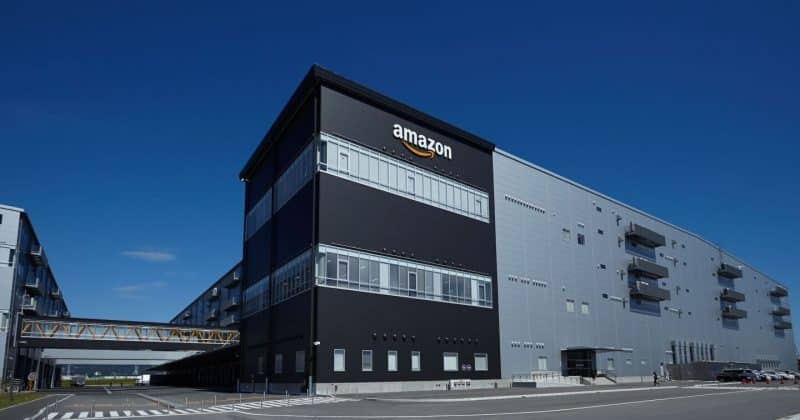
Amazon reveals its data centers gulped 2.5 billion gallons of water in 2025
AWS disclosed its first complete annual water usage figure, arriving amid growing scrutiny over the environmental toll of AI-driven computing demand
Amazon Web Services just put a number on something the tech industry has been quietly dancing around for years: how much water its data centers actually consume. The answer is approximately 2.5 billion gallons in 2025, the first time the company has disclosed an absolute annual figure for water withdrawals.
The numbers behind the number
AWS reported a water usage effectiveness (WUE) of 0.12 liters per kilowatt-hour. That metric has improved by 52% since 2021, and the company claims it’s roughly seven times better than the industry average of 0.84 L/kWh.
AWS actually managed to reduce water withdrawals at its directly owned and operated facilities by 2% compared to the prior year. That happened despite the company expanding capacity during a period when every major cloud provider has been building data centers at a pace that would make a suburban developer blush.
The efficiency gains are largely attributed to a shift toward air cooling methods. Server cooling remains the primary reason these facilities need water in the first place, and AWS says about two-thirds of the water it withdraws gets returned through various community infrastructure projects.
Amazon has set a target of becoming “water positive” by 2030, meaning it would return more water to communities than it consumes.
AI, tech, and the markets they move—in one daily briefing.
Daily. Free. Join 34,000+ readers across crypto, finance, and policy.
Why the transparency shift matters
Before this disclosure, Amazon had only provided intensity metrics, essentially ratios that showed efficiency without revealing total volume. In English: they told you how efficiently they used water per unit of energy, but never how much water they used overall. That’s a bit like a restaurant telling you they reduced food waste per plate served, without mentioning they tripled the number of plates.
The shift to absolute numbers arrives at a moment when several local governments have imposed moratoriums on new data center construction, with communities increasingly asking pointed questions about resource consumption. Data centers compete with residential and agricultural users for water, particularly in arid regions where cooling demands are highest.
What this means for investors
For Amazon shareholders and investors in the broader tech sector, the disclosure creates a new benchmark. Microsoft, Google, and Meta will now face pressure to provide comparable absolute figures rather than hiding behind efficiency ratios.
AWS’s 52% improvement in water usage effectiveness since 2021 translates directly to lower operational costs per unit of compute. Water isn’t free, and it’s getting more expensive in the regions where data centers tend to cluster.
Local moratoriums on data center construction represent a real constraint on growth for cloud providers. If communities decide that data centers are consuming too much of their water supply, permitting new facilities becomes harder and more expensive.