
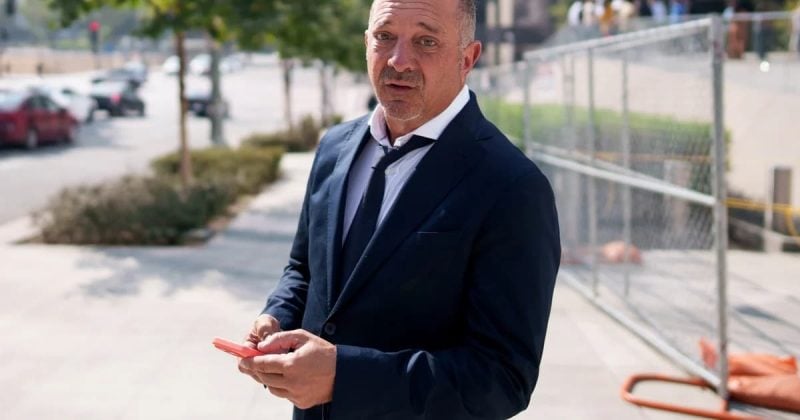
Andrew Left’s fraud conviction reshapes activist short-selling strategies
Citron Research founder found guilty on 13 counts of securities fraud, sending a chill through the short-selling community and raising questions about the future of market accountability.
Andrew Left, the founder of Citron Research and one of the most recognizable names in activist short selling, was found guilty of securities fraud by a federal jury in Los Angeles on June 1, 2026. The conviction landed on 13 counts, including one count of participating in a securities fraud scheme and twelve individual counts of securities fraud. He was acquitted on four counts.
The verdict arrived after a three-week trial and two days of jury deliberation. Left now faces a maximum penalty of 25 years in prison, with sentencing scheduled for August 31, 2026. He remains free until then and has declared his intention to appeal.
The scheme: post, profit, repeat
Left would publish bearish or bullish commentary on major companies through social media posts and television appearances, then rapidly exit his positions once the stock price moved in his favor. The companies involved included Tesla and Nvidia, among others.
The alleged profits ranged between $16 million and over $21 million, accumulated between 2018 and 2023. Those gains came from what prosecutors characterized as a pattern of misleading public statements designed to manipulate share prices.
Left was originally indicted on July 25, 2024, by the Department of Justice, which ran in parallel with a civil action brought by the Securities and Exchange Commission.
The news moving money, markets, and the world—before your day starts.
Daily. Free. Join 34,000+ readers across crypto, finance, and policy.
The line between research and manipulation
The Left case doesn’t criminalize short selling itself. What it criminalizes is the alleged deception: telling the public you believe a stock is headed one direction while secretly planning to trade the opposite way, or exiting positions immediately after your public commentary moves the price.
Thirteen guilty verdicts suggest the jury found that Left’s communications were manufactured narratives designed to create temporary price dislocations he could exploit rather than genuinely held beliefs.
A chill descends on the short-selling community
Many short sellers are expected to adopt significantly more cautious legal strategies in response, including enhanced disclaimers about their positions and modified communication about their investment theses.
Financial regulation experts have raised concerns that this dynamic could reduce the volume of legitimate negative research. Left’s indictment in July 2024 was part of a broader crackdown that signaled prosecutors were willing to treat certain short-selling tactics as criminal conduct rather than aggressive-but-legal market behavior.