
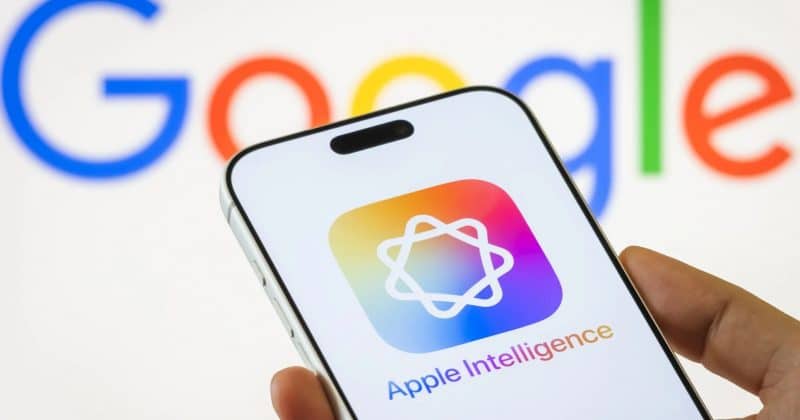
Apple’s AI reboot signals deeper ties with Google, and what that means for the broader tech landscape
Tim Cook's final WWDC cemented a partnership that makes Apple increasingly reliant on Google's Gemini infrastructure for its next-generation Siri AI.
WWDC 2026, held June 8-9, unveiled a completely overhauled Siri, now rebranded as “Siri AI,” powered by Google’s Gemini technology. The move confirms what many in Silicon Valley had suspected since the two companies announced their AI partnership earlier this year: Apple can’t build its way out of the AI race alone, so it’s hitching its wagon to the company it’s been quietly dependent on for over a decade.
The Siri AI overhaul and what’s actually under the hood
The new Siri AI, arriving as part of iOS 27 this fall, promises advanced conversational capabilities, improved on-screen awareness, and the ability to handle multi-step tasks.
Siri is getting a standalone app, with Apple calling its underlying technology third-generation Apple Foundation Models, or AFM. The hybrid architecture blends on-device processing with cloud-based AI, routed through Apple’s privacy-focused Private Cloud Compute system.
Initial availability will be limited to the EU, with China notably excluded from the rollout.
A partnership born from competitive pressure
The Apple-Google AI partnership was announced in early 2026. Apple is building its foundational AI models on top of Google’s infrastructure, using Google’s Gemini as the backbone, running on Nvidia-powered Google Cloud infrastructure.
The news moving money, markets, and the world—before your day starts.
Daily. Free. Join 34,000+ readers across crypto, finance, and policy.
The arrangement reportedly traces back to a Sergey Brin-led initiative at Google, positioning Apple as a high-volume consumer of Gemini tokens. For Google, every query Siri AI routes through Gemini validates its model’s ability to compete with OpenAI’s ChatGPT at scale.
Tim Cook’s exit and the John Ternus era
WWDC 2026 was Cook’s final major event before stepping down in September 2026, handing the CEO role to John Ternus.
Ternus inherits a company whose strategic dependency on Google has never been greater. The search deal between the two companies was already one of the most lucrative partnerships in tech history. Adding AI infrastructure to that relationship deepens the entanglement considerably.
What this means for investors and the competitive landscape
Apple made no mention of digital assets, tokens, or blockchain technology at WWDC. The company continues to maintain a firm separation between its product strategy and the crypto market.
For Google, the partnership is a double win. It gets massive token volume that validates Gemini’s commercial viability, and it deepens a financial relationship that already generates billions annually through the search deal.