
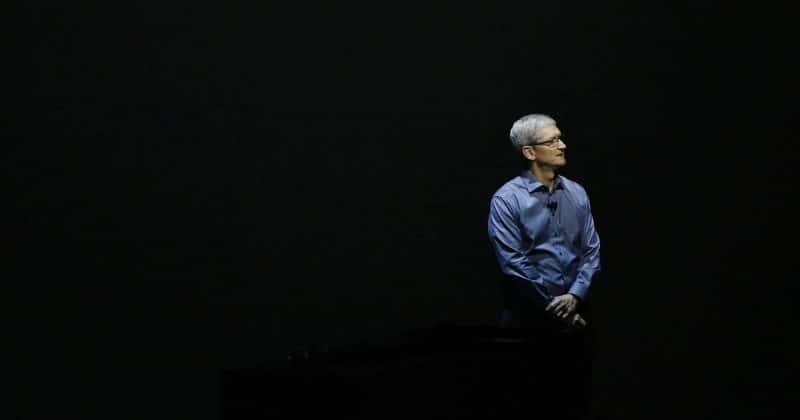
Apple plans price increases as CEO Tim Cook cites rising chip costs from AI boom
Memory chip competition from AI infrastructure builders is driving up costs across Apple's product lineup, with MacBook prices already climbing by up to $400
Apple is about to do something it has historically avoided: raise prices across its product lineup. The culprit is the insatiable appetite for memory chips driven by the AI boom, and Apple is losing the bidding war.
During Apple’s Q2 2026 earnings call, CEO Tim Cook laid out the problem in unusually blunt terms. Memory costs, both DRAM and NAND, are climbing significantly, and the company expects them to rise even further in the June quarter and beyond. The reason is straightforward: AI infrastructure builders are gobbling up the world’s memory chip supply, and they’re willing to pay more than consumer electronics makers to get it.
The ‘RAMageddon’ problem
DRAM and NAND prices have reportedly surged 10-25% or more year-over-year, driven almost entirely by AI server buildouts. The same chips that help your iPhone multitask smoothly are being hoarded by companies training the next generation of AI models, and there aren’t enough to go around.
Apple’s position is particularly vulnerable right now. The company’s long-term DRAM supply agreements with Samsung and SK Hynix are set to expire around January 2026. New negotiations will almost certainly come with significantly higher price tags.
Cook flagged rising cost pressures during Apple’s Q4 2025 and Q1 2026 earnings calls, noting that gross margins were already taking minor hits. But the expiration of those supply contracts transforms what was a manageable headwind into something much more consequential.
What consumers will actually pay
Reports indicate that 2026 MacBook models have already seen price increases ranging from $100 to $400, linked directly to component cost pressures. New iPhone, Mac, and other device launches in 2026 are all potentially carrying higher price tags.
For context, the entry-level MacBook Air has traditionally sat around the $1,000-$1,300 range. A $400 increase on the high end would represent roughly a 15-20% price hike.
What this means for investors
Even if Apple raises prices, there’s a lag between when costs increase and when higher-priced products hit shelves. The June quarter that Cook referenced could see meaningful margin pressure before any pricing adjustments fully take effect.
With long-term contracts expiring and new agreements being negotiated in a seller’s market, Apple loses some of the pricing predictability that has made its financial planning so precise. Those new contracts will largely determine Apple’s cost structure for the next several years.