
Apple raises Mac and iPad prices amid AI-driven chip shortage
The tech giant is reportedly adjusting product pricing across its hardware lineup to absorb rising component costs


Apple has implemented price increases across much of its hardware portfolio as a global shortage of memory chips and storage components intensifies.
The company said booming investment in artificial intelligence infrastructure has triggered an extraordinary surge in demand for key components, pushing costs sharply higher and forcing Apple to raise prices on Macs, iPads, home devices and the Vision Pro headset.
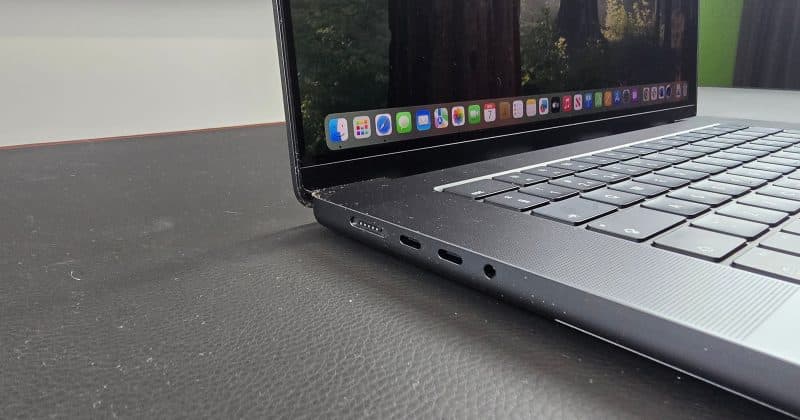
The increases affect nearly every Mac and iPad configuration. Prices for flagship devices including the MacBook Air, MacBook Pro and iPad Pro rose by roughly $200, while entry-level products such as the base iPad and MacBook Neo also became more expensive.
Apple similarly increased prices on consumer electronics including HomePod speakers, Apple TV devices and the Vision Pro mixed-reality headset. Prices for iPhones, Apple Watches and AirPods are not affected by recent price changes, however.
Apple executives warned earlier this year that memory shortages would worsen throughout 2026 as AI-related demand accelerated.
CEO Tim Cook told The Wall Street Journal this month that the company was prepared to raise prices across its product lineup to offset rising memory and storage chip costs.
Cook said the company had absorbed supplier cost increases for as long as possible but could no longer avoid passing some of those costs on to customers.