
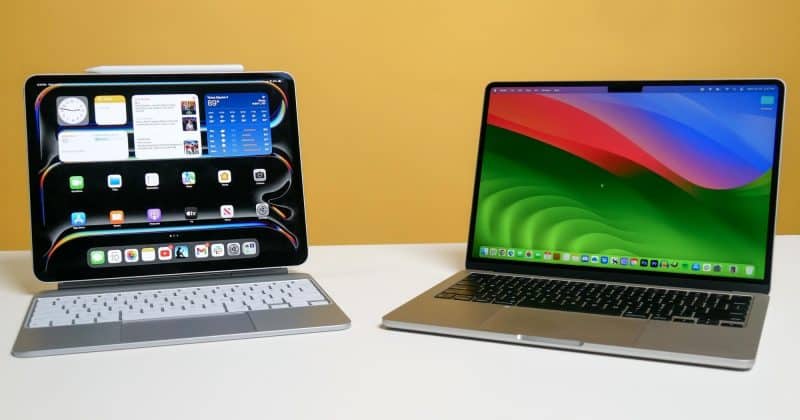
Apple raises prices across Mac and iPad lineup as AI-driven chip costs bite
Entry-level MacBook Air jumps $200 while high-end Mac Studio configurations climb as much as $1,300, marking Apple's first major pricing overhaul in years
Apple just did something it almost never does: raised prices across a wide swath of its product lineup. On June 25, the company announced sweeping increases on Mac and iPad models, citing soaring memory and storage chip costs fueled by insatiable AI demand. The cheapest MacBook Air now costs $200 more than it did last week.
CEO Tim Cook called the memory shortage a “hundred-year flood,” describing it as unprecedented in his 40-plus years in the industry.
The damage, model by model
The entry-level MacBook Air with 512 GB of storage jumped from $1,099 to $1,299. That’s an 18% increase on what has traditionally been Apple’s most accessible laptop.
At the high end, some Mac Studio configurations with the M3 Ultra chip saw price hikes of up to $1,300.
iPads weren’t spared either. The iPad Air (128 GB) went from $599 to $749, a $150 increase. The iPad Pro (256 GB Wi-Fi) climbed from $999 to $1,199.
iPhones were explicitly excluded from the price changes.
AI, tech, and the markets they move—in one daily briefing.
Daily. Free. Join 34,000+ readers across crypto, finance, and policy.
Why AI is making your laptop more expensive
AI data centers have been hoovering up memory chips at a staggering pace. Training large language models and running inference workloads requires enormous amounts of high-bandwidth memory. Apple needs DRAM and NAND flash for its consumer devices, but it’s competing for supply against hyperscalers like Microsoft, Google, and Amazon, all of whom are spending tens of billions on AI infrastructure.
Cook acknowledged that the previous pricing model had become unsustainable, signaling that Apple had been absorbing rising component costs rather than passing them along to consumers.
This is the first time in recent memory that Apple has implemented across-the-board price increases of this magnitude.
What this means for investors and the broader market
Apple’s shares fell approximately 6% following the announcement.
Analysts are watching closely for similar moves from companies like Dell, HP, Lenovo, and other PC makers that rely on the same memory supply chain.
The strategic decision to shield iPhones from price increases reflects that the iPhone contributes significantly to Apple’s revenue, driving App Store revenue, services subscriptions, and accessory sales.