
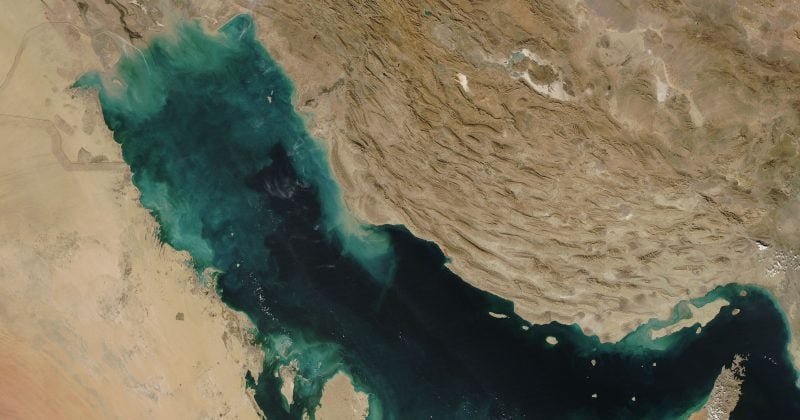
Arabian Gulf oil exports stabilize at 15M barrels daily after ceasefire

https://en.wikipedia.org/wiki/Persian_Gulf

Arabian Gulf oil exports stabilize at 15M barrels daily after ceasefire

WTI crude oil prices in July 2026

US Energy Secretary Wright has reported that approximately 15 million barrels of oil are being exported daily from the Arabian Gulf, reflecting a significant stabilization in oil output from the region. This development follows the recent Iran-US ceasefire and the reopening of the Strait of Hormuz, which had been a major chokepoint during the conflict. The restored flow aligns with pre-conflict export levels, suggesting a recovery in regional oil distribution. The increase in exports from major producers like Saudi Arabia and the UAE has contributed to a drop in global oil prices, with futures falling below $90 per barrel.

Advertisement

Key Takeaways

  • The reported 15 million barrels per day export level appears consistent with a recovery to pre-conflict oil outputs in the Arabian Gulf.
  • Market pricing suggests a stabilization in oil supply, which may be influencing the decreased likelihood of WTI Crude Oil reaching $130 in July.
  • The easing of supply stress is reflected in the recent decline of oil futures prices, supportive of scenarios where prices remain below recent peaks.

What to Watch

Markets will be closely monitoring the situation in the Strait of Hormuz for any indications of renewed disruptions that could affect oil flows. Any announcements from OPEC+ regarding production adjustments could also impact market perceptions of future oil prices. Additionally, geopolitical developments or statements from key actors like the U.S. President or Iranian officials may further influence market expectations. The current pricing trend appears to be consistent with scenarios where WTI Crude Oil does not reach $130 in July.

Get live prediction-market analysis, powered by Vera. Sign up for Vera.

Disclosure: This article was edited by Estefano Gomez. For more information on how we create and review content, see our Editorial Policy.

Arabian Gulf oil exports stabilize at 15M barrels daily after ceasefire

Arabian Gulf oil exports stabilize at 15M barrels daily after ceasefire

WTI crude oil prices in July 2026

https://en.wikipedia.org/wiki/Persian_Gulf

US Energy Secretary Wright has reported that approximately 15 million barrels of oil are being exported daily from the Arabian Gulf, reflecting a significant stabilization in oil output from the region. This development follows the recent Iran-US ceasefire and the reopening of the Strait of Hormuz, which had been a major chokepoint during the conflict. The restored flow aligns with pre-conflict export levels, suggesting a recovery in regional oil distribution. The increase in exports from major producers like Saudi Arabia and the UAE has contributed to a drop in global oil prices, with futures falling below $90 per barrel.

Advertisement

Key Takeaways

  • The reported 15 million barrels per day export level appears consistent with a recovery to pre-conflict oil outputs in the Arabian Gulf.
  • Market pricing suggests a stabilization in oil supply, which may be influencing the decreased likelihood of WTI Crude Oil reaching $130 in July.
  • The easing of supply stress is reflected in the recent decline of oil futures prices, supportive of scenarios where prices remain below recent peaks.

What to Watch

Markets will be closely monitoring the situation in the Strait of Hormuz for any indications of renewed disruptions that could affect oil flows. Any announcements from OPEC+ regarding production adjustments could also impact market perceptions of future oil prices. Additionally, geopolitical developments or statements from key actors like the U.S. President or Iranian officials may further influence market expectations. The current pricing trend appears to be consistent with scenarios where WTI Crude Oil does not reach $130 in July.

Get live prediction-market analysis, powered by Vera. Sign up for Vera.

Disclosure: This article was edited by Estefano Gomez. For more information on how we create and review content, see our Editorial Policy.