
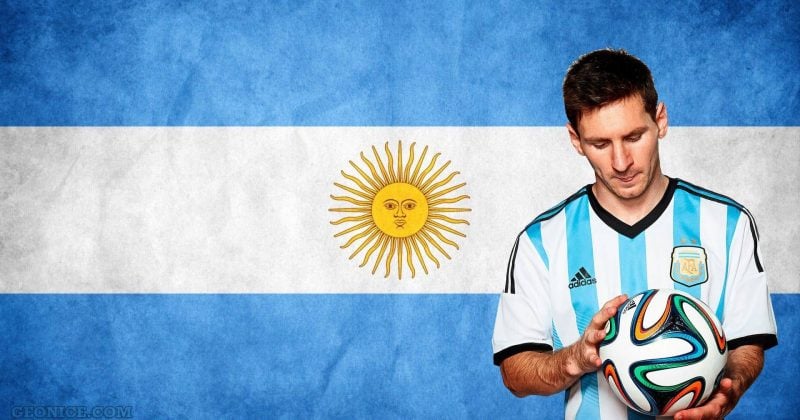
Argentina’s $ARG fan token surges 300% in trading volume as Cape Verde pushes defending champs to extra time
The 2026 World Cup's biggest Cinderella story is exposing the massive gap between crypto-savvy football federations and those leaving money on the table
An island nation of roughly 525,000 people just took the defending World Cup champions to extra time. And while Cape Verde was busy writing one of the great underdog stories in football history, Argentina’s $ARG fan token was quietly printing money.
Trading volumes for $ARG surged as much as 300% around key World Cup matches, including the round of 32 thriller against Cape Verde.
The Cinderella that shook the bracket
Cape Verde’s run through the 2026 FIFA World Cup has been nothing short of extraordinary. In their first-ever World Cup appearance, they held former champions Spain and Uruguay to draws during the group stage, finishing second in their group without a single loss.
Then came Argentina. The defending champions needed extra time to put away a team whose entire population is smaller than the city of Fresno, California.
Cape Verde captured the world’s attention on the pitch. Off the pitch, though, they have virtually zero crypto infrastructure to capitalize on it.
Argentina’s tokenized advantage
Argentina has built a sophisticated digital asset ecosystem around its football federation. The Argentine Football Association maintains an ongoing digital asset partnership with Nexo in Latin America, and the $ARG fan token has become one of the more liquid sports tokens on the market.
The 300% volume spike around World Cup matches represents real liquidity flowing into a token that gives holders voting rights on minor club decisions and access to exclusive experiences.
The news moving money, markets, and the world—before your day starts.
Daily. Free. Join 34,000+ readers across crypto, finance, and policy.
Kraken is serving as FIFA’s official crypto exchange partner for the 2026 World Cup. The Socios.com platform powers many of these fan tokens, positioning itself as the connective tissue between sporting passion and blockchain-based engagement.
The opportunity Cape Verde is missing
No official Cape Verde fan token exists. No NFT collection. No crypto sponsorship for the national team. Zero blockchain partnerships of any kind.
Cape Verde does have an open regulatory framework for crypto businesses, which means the infrastructure barrier isn’t legal. It’s organizational. The football federation simply hasn’t pursued tokenization as a strategy.
This pattern isn’t unique to Cape Verde. Smaller footballing nations consistently leave digital revenue on the table because they lack the institutional knowledge or partnerships to move quickly.
What this means for the fan token market
The 2026 World Cup is shaping up as the most significant test case yet for sports tokenization at scale. With Kraken as the official exchange partner and multiple national teams running active token programs, the data coming out of this tournament will likely influence how dozens of federations approach digital assets over the next four-year cycle.
For investors watching the fan token space, the key variable is narrative velocity. Tokens tied to teams with compelling storylines see outsized volume spikes that create short-term trading opportunities. The $ARG surge around the Cape Verde match is a textbook example.
The risk is that fan tokens remain thinly traded outside of major tournaments. Volume spikes of 300% sound impressive until you consider that baseline liquidity for most sports tokens is modest compared to major crypto assets.