
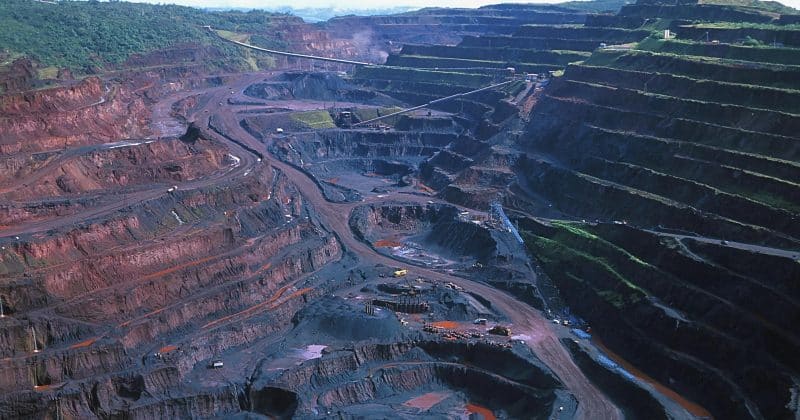
Australia faces first annual trade deficit since 2016 as mining boom fades

Australia faces first annual trade deficit since 2016 as mining boom fades

The country's A$3.02 billion goods trade deficit in May is the widest since 2015, rattling the Australian dollar and raising questions about commodity-dependent economies everywhere

Australia’s trade balance has reversed. The Australian Bureau of Statistics reported that the March quarter of 2026 produced a goods and services trade deficit of A$2.4 billion, flipping from a modest A$1 billion surplus the quarter before. By May, things got worse: a goods trade deficit of A$3.02 billion, the widest gap since 2015.

What’s driving the reversal

Exports fell while imports kept climbing. May exports dropped 6.9%, dragged down by declines in non-monetary gold, iron ore, and coal. Cyclones Koji and Mitchell disrupted mining operations and shipping logistics across key export corridors. Gold shipments alone fell by more than A$2 billion.

Advertisement

Meanwhile, imports rose roughly 3%, fueled by surging purchases of data center equipment and fuels. The current account deficit ballooned to A$27.1 billion in the first quarter of 2026. As a share of GDP, that’s the largest since June 2016.

Australia hadn’t posted a quarterly trade deficit since December 2017. The surpluses that followed were built on a resources-mining investment boom and China’s appetite for raw materials.

The commodity supercycle question

Global commodity prices have softened, particularly for thermal coal and iron ore. China’s property sector, once the single largest driver of iron ore demand, continues to operate well below its peak. LNG prices have normalized from their 2022 highs.

Disclosure: This article was edited by Editorial Team. For more information on how we create and review content, see our Editorial Policy.

Australia faces first annual trade deficit since 2016 as mining boom fades

Australia faces first annual trade deficit since 2016 as mining boom fades

The country's A$3.02 billion goods trade deficit in May is the widest since 2015, rattling the Australian dollar and raising questions about commodity-dependent economies everywhere

Australia’s trade balance has reversed. The Australian Bureau of Statistics reported that the March quarter of 2026 produced a goods and services trade deficit of A$2.4 billion, flipping from a modest A$1 billion surplus the quarter before. By May, things got worse: a goods trade deficit of A$3.02 billion, the widest gap since 2015.

What’s driving the reversal

Exports fell while imports kept climbing. May exports dropped 6.9%, dragged down by declines in non-monetary gold, iron ore, and coal. Cyclones Koji and Mitchell disrupted mining operations and shipping logistics across key export corridors. Gold shipments alone fell by more than A$2 billion.

Advertisement

Meanwhile, imports rose roughly 3%, fueled by surging purchases of data center equipment and fuels. The current account deficit ballooned to A$27.1 billion in the first quarter of 2026. As a share of GDP, that’s the largest since June 2016.

Australia hadn’t posted a quarterly trade deficit since December 2017. The surpluses that followed were built on a resources-mining investment boom and China’s appetite for raw materials.

The commodity supercycle question

Global commodity prices have softened, particularly for thermal coal and iron ore. China’s property sector, once the single largest driver of iron ore demand, continues to operate well below its peak. LNG prices have normalized from their 2022 highs.

Disclosure: This article was edited by Editorial Team. For more information on how we create and review content, see our Editorial Policy.