
Nexo Earn with Nexo
Bahrain drone intercepts cause injuries and property damage, raising questions for Gulf crypto hub

Bahrain drone intercepts cause injuries and property damage, raising questions for Gulf crypto hub

Iranian drone debris injured civilians including an 11-year-old girl, adding geopolitical risk to one of the Middle East's most important digital asset corridors.

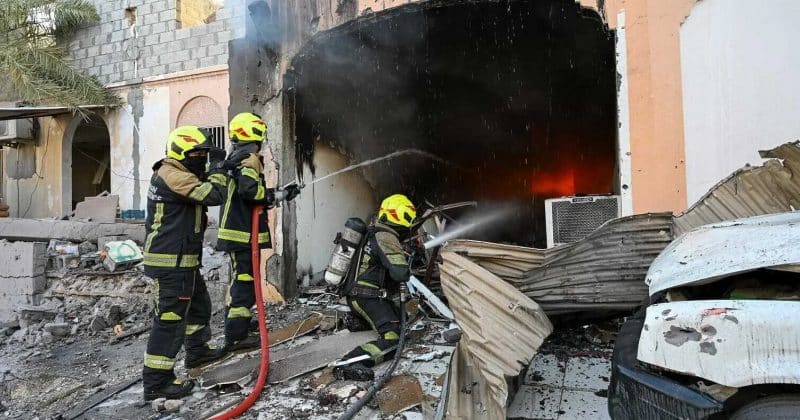
Debris from intercepted Iranian drones struck civilian areas in Bahrain, injuring multiple people and damaging homes, vehicles, and industrial facilities. Bahrain’s Interior Ministry confirmed the incidents, which included an 11-year-old girl who sustained minor injuries from falling shrapnel.

The attacks targeted areas near Sitra, a densely populated island close to the capital Manama. Between 2 and 4 citizens were reported injured across the incidents, with fires breaking out in several homes and vehicles hit by debris.

What happened in Bahrain

Multiple intercept events occurred in two clusters. The first wave hit the Sitra area between April 3 and April 8, 2026. A second round of activity followed in early June 2026, suggesting a sustained campaign rather than an isolated provocation.

The Gulf Petrochemical Industries Company site, a key piece of Bahrain’s energy infrastructure, sustained damage in one of the incidents. Civil defense forces contained fires at the facility before they could escalate.

Advertisement

Bahrain’s Interior Ministry described all injuries as minor but acknowledged visible property damage across affected neighborhoods.

Iran has not publicly claimed responsibility for the drone launches at the time of reporting. But the Interior Ministry’s statements specifically attributed the debris to intercepted Iranian drones, leaving little ambiguity about the origin.

Why crypto investors should pay attention

Bahrain isn’t just another Gulf state caught in a geopolitical crossfire. It is one of the Middle East’s most established crypto regulatory jurisdictions, a distinction it has been building since at least 2019 when the Central Bank of Bahrain began issuing licenses for crypto-asset services.

Rain, one of the region’s most prominent licensed crypto platforms, operates under the Central Bank of Bahrain’s oversight. The platform serves as a gateway for retail and institutional traders across the Gulf Cooperation Council countries.

Licensed platforms like Rain are expected to continue operations normally. Bahrain’s regulatory framework was specifically designed to provide stability and continuity for digital asset businesses.

Broader market implications

For traders, the immediate concern is whether these drone incidents represent an isolated escalation or the beginning of a longer campaign. The fact that attacks occurred in two separate clusters, April and June, suggests this isn’t a one-off event.

The Central Bank of Bahrain has not signaled any changes to its crypto licensing framework in response to the security situation.

Investors with exposure to Gulf-based crypto platforms or tokens with significant trading volume in Bahrain should monitor the situation closely.

Disclosure: This article was edited by Editorial Team. For more information on how we create and review content, see our Editorial Policy.

Bahrain drone intercepts cause injuries and property damage, raising questions for Gulf crypto hub

Bahrain drone intercepts cause injuries and property damage, raising questions for Gulf crypto hub

Iranian drone debris injured civilians including an 11-year-old girl, adding geopolitical risk to one of the Middle East's most important digital asset corridors.

Debris from intercepted Iranian drones struck civilian areas in Bahrain, injuring multiple people and damaging homes, vehicles, and industrial facilities. Bahrain’s Interior Ministry confirmed the incidents, which included an 11-year-old girl who sustained minor injuries from falling shrapnel.

The attacks targeted areas near Sitra, a densely populated island close to the capital Manama. Between 2 and 4 citizens were reported injured across the incidents, with fires breaking out in several homes and vehicles hit by debris.

What happened in Bahrain

Multiple intercept events occurred in two clusters. The first wave hit the Sitra area between April 3 and April 8, 2026. A second round of activity followed in early June 2026, suggesting a sustained campaign rather than an isolated provocation.

The Gulf Petrochemical Industries Company site, a key piece of Bahrain’s energy infrastructure, sustained damage in one of the incidents. Civil defense forces contained fires at the facility before they could escalate.

Advertisement

Bahrain’s Interior Ministry described all injuries as minor but acknowledged visible property damage across affected neighborhoods.

Iran has not publicly claimed responsibility for the drone launches at the time of reporting. But the Interior Ministry’s statements specifically attributed the debris to intercepted Iranian drones, leaving little ambiguity about the origin.

Why crypto investors should pay attention

Bahrain isn’t just another Gulf state caught in a geopolitical crossfire. It is one of the Middle East’s most established crypto regulatory jurisdictions, a distinction it has been building since at least 2019 when the Central Bank of Bahrain began issuing licenses for crypto-asset services.

Rain, one of the region’s most prominent licensed crypto platforms, operates under the Central Bank of Bahrain’s oversight. The platform serves as a gateway for retail and institutional traders across the Gulf Cooperation Council countries.

Licensed platforms like Rain are expected to continue operations normally. Bahrain’s regulatory framework was specifically designed to provide stability and continuity for digital asset businesses.

Broader market implications

For traders, the immediate concern is whether these drone incidents represent an isolated escalation or the beginning of a longer campaign. The fact that attacks occurred in two separate clusters, April and June, suggests this isn’t a one-off event.

The Central Bank of Bahrain has not signaled any changes to its crypto licensing framework in response to the security situation.

Investors with exposure to Gulf-based crypto platforms or tokens with significant trading volume in Bahrain should monitor the situation closely.

Disclosure: This article was edited by Editorial Team. For more information on how we create and review content, see our Editorial Policy.