
Baltic states urge EU to expedite ban on Russian oil imports

Baltic states urge EU to expedite ban on Russian oil imports

Estonia, Latvia, and Lithuania push Brussels to accelerate the phase-out timeline as Russian oil's share of EU imports has already cratered from 27% to near-zero

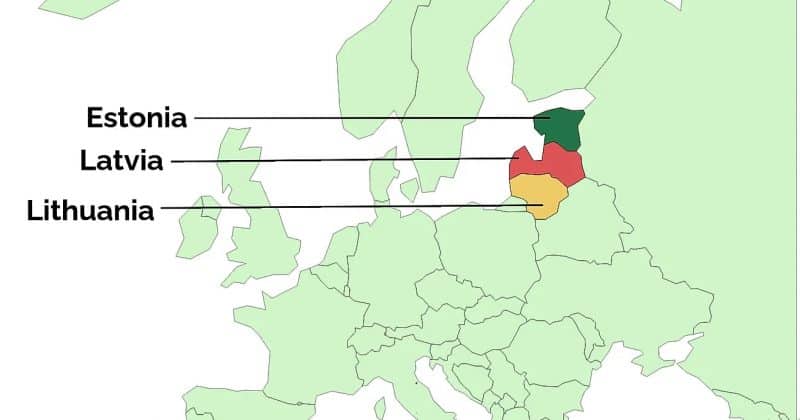
The Baltic states are pressing the European Union to speed up its planned ban on Russian oil imports, arguing that the current timeline for a full phase-out isn’t aggressive enough. The push came during an EU energy ministers’ meeting on June 26, with Estonia, Latvia, and Lithuania making the case that cutting off Russian crude faster would both starve Moscow’s war machine and strengthen Europe’s energy sovereignty.

Russian oil accounted for 27% of EU imports at the start of 2022. By 2025, that figure was projected to fall to just 2%.

Advertisement

The EU’s REPowerEU strategy, launched in the wake of Russia’s full-scale invasion of Ukraine, was designed to systematically sever Europe’s deep energy dependence on Moscow.

Czechia fully exited Russian oil imports by April 2025 following the completion of the TAL-PLUS pipeline project. That gave Prague an alternative supply route, eliminating its dependency on the Druzhba pipeline that had been pumping Russian crude into Central Europe since the Soviet era.

The official EU deadline for a complete oil phase-out remains the end of 2027, as outlined in the REPowerEU roadmap. The Baltic states want that moved up considerably.

The EU Commission had been working on a full legislative proposal for a permanent oil import ban, but that effort hit a snag. Concerns about potential supply disruptions from Iran created hesitation in Brussels. Those fears about Middle Eastern supply disruptions have since eased, which is precisely why the Baltics see this as the moment to push.

Disclosure: This article was edited by Editorial Team. For more information on how we create and review content, see our Editorial Policy.

Baltic states urge EU to expedite ban on Russian oil imports

Baltic states urge EU to expedite ban on Russian oil imports

Estonia, Latvia, and Lithuania push Brussels to accelerate the phase-out timeline as Russian oil's share of EU imports has already cratered from 27% to near-zero

The Baltic states are pressing the European Union to speed up its planned ban on Russian oil imports, arguing that the current timeline for a full phase-out isn’t aggressive enough. The push came during an EU energy ministers’ meeting on June 26, with Estonia, Latvia, and Lithuania making the case that cutting off Russian crude faster would both starve Moscow’s war machine and strengthen Europe’s energy sovereignty.

Russian oil accounted for 27% of EU imports at the start of 2022. By 2025, that figure was projected to fall to just 2%.

Advertisement

The EU’s REPowerEU strategy, launched in the wake of Russia’s full-scale invasion of Ukraine, was designed to systematically sever Europe’s deep energy dependence on Moscow.

Czechia fully exited Russian oil imports by April 2025 following the completion of the TAL-PLUS pipeline project. That gave Prague an alternative supply route, eliminating its dependency on the Druzhba pipeline that had been pumping Russian crude into Central Europe since the Soviet era.

The official EU deadline for a complete oil phase-out remains the end of 2027, as outlined in the REPowerEU roadmap. The Baltic states want that moved up considerably.

The EU Commission had been working on a full legislative proposal for a permanent oil import ban, but that effort hit a snag. Concerns about potential supply disruptions from Iran created hesitation in Brussels. Those fears about Middle Eastern supply disruptions have since eased, which is precisely why the Baltics see this as the moment to push.

Disclosure: This article was edited by Editorial Team. For more information on how we create and review content, see our Editorial Policy.