
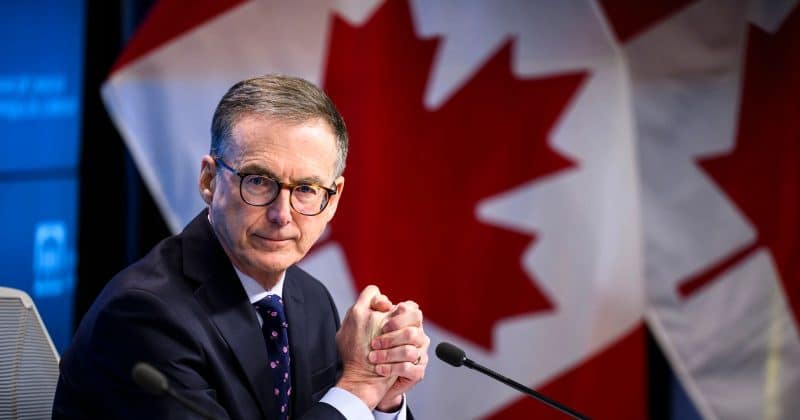
Bank of Canada governor Tiff Macklem says capital rule changes won’t boost lending
Loosening bank capital requirements alone won't move the needle on economic activity, Canada's top central banker argues, pointing to deeper structural challenges
Tiff Macklem, the Governor of the Bank of Canada, is pouring cold water on the idea that tweaking bank capital rules will somehow unlock a wave of new lending. His message is straightforward: loosening capital requirements in isolation will not increase economic activity.
Why capital rules aren’t the bottleneck
Canadian banks are not exactly starving for capital. The country’s major lenders have been running with an average Common Equity Tier 1 capital ratio of around 12% in recent years. That’s well above regulatory minimums and among the healthiest buffers in the developed world.
Canada’s Office of the Superintendent of Financial Institutions, known as OSFI, revised its Capital Adequacy Requirements guideline on September 11, 2025, with changes taking effect November 1, 2025. But the regulator has been careful to frame these updates as calibrated adjustments to Basel III standards, not a broad relaxation of rules.
The non-bank elephant in the room
Macklem’s broader concerns extend well beyond traditional bank capital. In a speech on March 4, 2026, he flagged the growing financial stability risks posed by non-bank entities, including hedge funds and private credit providers.
Macro, rates, and crypto—what moved markets and what matters next.
Daily. Free. Join 34,000+ readers across crypto, finance, and policy.
Macklem has reiterated into June 2026 the importance of monitoring global financial imbalances. Even if you make it easier for banks to lend, you haven’t addressed the systemic risks building up outside the banking sector.
What this means for investors
A task force from the C.D. Howe Institute proposed reforms to OSFI’s regulations in April 2026, specifically targeting improvements in business lending to small and medium-sized enterprises. The proposals aim to provide targeted adjustments rather than sweeping deregulation, acknowledging that SMEs face particular challenges in accessing bank credit.
OSFI has taken a strict stance toward cryptocurrency exposures in banking, promoting conservative capital treatment and prohibiting banks from holding short positions in digital assets.