
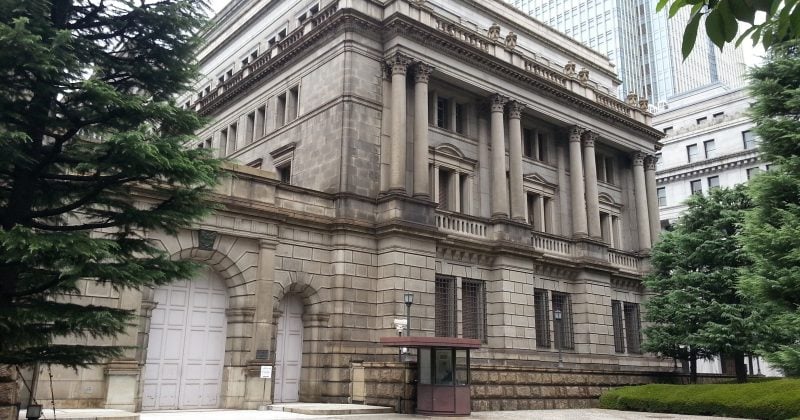
Bank of Japan raises rates to highest level since 1995 as yen weakness fans inflation fears

Bank of Japan raises rates to highest level since 1995 as yen weakness fans inflation fears

The BOJ hiked its policy rate to 1% in a 7-1 vote, citing rising energy costs and a persistently weak yen.

The Bank of Japan just did something it has not done since the mid-1990s. On June 16, 2026, the BOJ raised its short-term policy rate by 25 basis points to 1%, the highest level since September 1995.

The decision passed with a 7-1 vote. One dissenting member flagged concerns about production and employment.

What drove the hike

Two forces pushed the BOJ toward early action: a weak yen and rising energy prices tied to ongoing Middle East tensions. Imported goods keep getting more expensive, and a currency that keeps losing ground makes that problem worse, not better.

Advertisement

The BOJ had already been moving in this direction. It raised rates to 0.75% in December 2025, so the June 2026 move to 1% represents a continuation of a gradual tightening path rather than a sudden pivot.

To that end, the central bank simultaneously paused further reductions in its bond purchasing program.

Where rates go from here

The BOJ has signaled that further adjustments are on the table, contingent on incoming economic data. Officials have pointed to a neutral rate of around 2% as a longer-term reference point, though the path there depends heavily on how inflation dynamics evolve and whether Middle East tensions continue to pressure energy markets.

Policymakers were careful to note that financial conditions would remain broadly supportive despite the hike.

What this means for crypto and risk assets

Previous BOJ rate hikes since 2024 had been correlated with Bitcoin declines averaging roughly 27%, according to the research. The logic was straightforward: tighter Japanese monetary policy tends to strengthen the yen, which unwinds the yen carry trade, which forces investors to sell risk assets including crypto to cover positions.

This time, Bitcoin moved in the opposite direction. The price climbed approximately 1.5% following the announcement, rising to above $66,500. The divergence from historical pattern appears linked to the BOJ’s decision to pause bond purchase reductions, which injected a dovish signal alongside the hawkish rate move.

Disclosure: This article was edited by Editorial Team. For more information on how we create and review content, see our Editorial Policy.

Bank of Japan raises rates to highest level since 1995 as yen weakness fans inflation fears

Bank of Japan raises rates to highest level since 1995 as yen weakness fans inflation fears

The BOJ hiked its policy rate to 1% in a 7-1 vote, citing rising energy costs and a persistently weak yen.

The Bank of Japan just did something it has not done since the mid-1990s. On June 16, 2026, the BOJ raised its short-term policy rate by 25 basis points to 1%, the highest level since September 1995.

The decision passed with a 7-1 vote. One dissenting member flagged concerns about production and employment.

What drove the hike

Two forces pushed the BOJ toward early action: a weak yen and rising energy prices tied to ongoing Middle East tensions. Imported goods keep getting more expensive, and a currency that keeps losing ground makes that problem worse, not better.

Advertisement

The BOJ had already been moving in this direction. It raised rates to 0.75% in December 2025, so the June 2026 move to 1% represents a continuation of a gradual tightening path rather than a sudden pivot.

To that end, the central bank simultaneously paused further reductions in its bond purchasing program.

Where rates go from here

The BOJ has signaled that further adjustments are on the table, contingent on incoming economic data. Officials have pointed to a neutral rate of around 2% as a longer-term reference point, though the path there depends heavily on how inflation dynamics evolve and whether Middle East tensions continue to pressure energy markets.

Policymakers were careful to note that financial conditions would remain broadly supportive despite the hike.

What this means for crypto and risk assets

Previous BOJ rate hikes since 2024 had been correlated with Bitcoin declines averaging roughly 27%, according to the research. The logic was straightforward: tighter Japanese monetary policy tends to strengthen the yen, which unwinds the yen carry trade, which forces investors to sell risk assets including crypto to cover positions.

This time, Bitcoin moved in the opposite direction. The price climbed approximately 1.5% following the announcement, rising to above $66,500. The divergence from historical pattern appears linked to the BOJ’s decision to pause bond purchase reductions, which injected a dovish signal alongside the hawkish rate move.

Disclosure: This article was edited by Editorial Team. For more information on how we create and review content, see our Editorial Policy.