
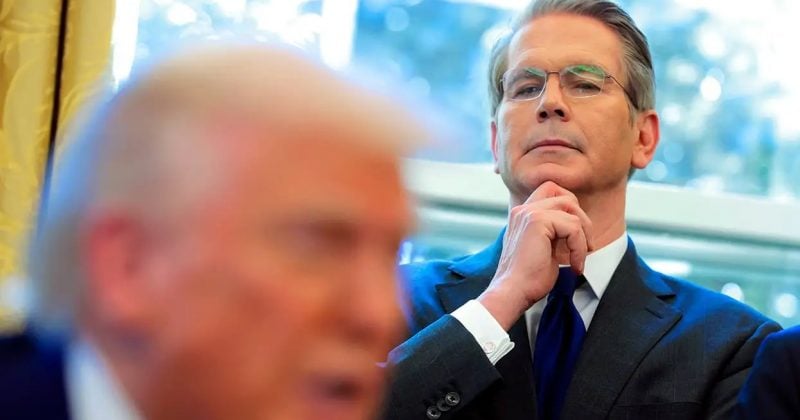
Scott Bessent proposes independent agency to oversee frontier AI models

Scott Bessent proposes independent agency to oversee frontier AI models

The Treasury secretary wants a FINRA-style regulator for advanced AI that would report to the SEC, signaling a major shift in how Washington approaches AI governance.

Treasury Secretary Scott Bessent is pushing for the creation of an independent regulatory agency specifically designed to vet the safety of frontier AI models. The proposed body would be modeled after FINRA, the self-regulatory organization that oversees broker-dealers in the securities industry, and would report directly to the SEC.

The plan traces back to a June 2, 2026 Executive Order that established a voluntary 30-day pre-release review process for designated frontier AI models, with a particular focus on cybersecurity risks. Bessent’s proposal is the next logical step: turning that temporary framework into something permanent and institutional.

The proposal didn’t emerge from some abstract policy debate. It came from complaints. AI companies have reportedly grown frustrated with unpredictable government interventions that have disrupted model releases.

Advertisement

Bessent has been building toward this moment for months. He led Treasury’s AI Innovation Series, which concluded in May 2026, convening banks and AI developers to hash out risk management strategies for advanced AI technologies. Anthropic’s Mythos model was specifically discussed in those sessions.

The proposal is currently non-public and under review by the White House, with Chief of Staff Susie Wiles reportedly involved in the deliberations.

Why a FINRA model, and why the SEC

FINRA isn’t a government agency in the traditional sense. It’s a self-regulatory organization, meaning it’s funded and partially governed by the industry participants it oversees. The SEC provides ultimate authority and can overrule FINRA decisions, but day-to-day operations run independently.

Routing the agency through the SEC rather than the Commerce Department or a standalone cabinet-level body also matters. The SEC has decades of experience managing self-regulatory organizations, already supervising FINRA, the Municipal Securities Rulemaking Board, and various exchanges.

What this means for investors

The cybersecurity angle deserves attention. The original Executive Order specifically targeted cybersecurity risks from frontier AI. If the new agency focuses heavily on models that could compromise critical infrastructure, including financial infrastructure, that scope could eventually encompass AI systems used in blockchain security, smart contract auditing, and exchange operations.

Investors should watch two things closely. First, whether the White House formally greenlights the proposal, which would set a timeline for the agency’s creation. Second, who gets appointed to lead it, as the balance between industry veterans and independent voices will determine whether this becomes a genuine safety regulator or a rubber stamp.

Disclosure: This article was edited by Editorial Team. For more information on how we create and review content, see our Editorial Policy.

Scott Bessent proposes independent agency to oversee frontier AI models

Scott Bessent proposes independent agency to oversee frontier AI models

The Treasury secretary wants a FINRA-style regulator for advanced AI that would report to the SEC, signaling a major shift in how Washington approaches AI governance.

Treasury Secretary Scott Bessent is pushing for the creation of an independent regulatory agency specifically designed to vet the safety of frontier AI models. The proposed body would be modeled after FINRA, the self-regulatory organization that oversees broker-dealers in the securities industry, and would report directly to the SEC.

The plan traces back to a June 2, 2026 Executive Order that established a voluntary 30-day pre-release review process for designated frontier AI models, with a particular focus on cybersecurity risks. Bessent’s proposal is the next logical step: turning that temporary framework into something permanent and institutional.

The proposal didn’t emerge from some abstract policy debate. It came from complaints. AI companies have reportedly grown frustrated with unpredictable government interventions that have disrupted model releases.

Advertisement

Bessent has been building toward this moment for months. He led Treasury’s AI Innovation Series, which concluded in May 2026, convening banks and AI developers to hash out risk management strategies for advanced AI technologies. Anthropic’s Mythos model was specifically discussed in those sessions.

The proposal is currently non-public and under review by the White House, with Chief of Staff Susie Wiles reportedly involved in the deliberations.

Why a FINRA model, and why the SEC

FINRA isn’t a government agency in the traditional sense. It’s a self-regulatory organization, meaning it’s funded and partially governed by the industry participants it oversees. The SEC provides ultimate authority and can overrule FINRA decisions, but day-to-day operations run independently.

Routing the agency through the SEC rather than the Commerce Department or a standalone cabinet-level body also matters. The SEC has decades of experience managing self-regulatory organizations, already supervising FINRA, the Municipal Securities Rulemaking Board, and various exchanges.

What this means for investors

The cybersecurity angle deserves attention. The original Executive Order specifically targeted cybersecurity risks from frontier AI. If the new agency focuses heavily on models that could compromise critical infrastructure, including financial infrastructure, that scope could eventually encompass AI systems used in blockchain security, smart contract auditing, and exchange operations.

Investors should watch two things closely. First, whether the White House formally greenlights the proposal, which would set a timeline for the agency’s creation. Second, who gets appointed to lead it, as the balance between industry veterans and independent voices will determine whether this becomes a genuine safety regulator or a rubber stamp.

Disclosure: This article was edited by Editorial Team. For more information on how we create and review content, see our Editorial Policy.