
Binance discloses revenue-sharing deal with Alpaca for stock trading
The crypto exchange will pocket 50% of Alpaca's payment-for-order-flow fees and 65% of stock lending profits under a newly published legal agreement.
Binance just pulled back the curtain on how it plans to make money from its new stock trading service, and the numbers are eye-opening.
A legal document published Tuesday in Binance’s Securities Trading Terms reveals the exchange will receive 50% of the payment-for-order-flow (PFOF) fees generated by Alpaca, plus 65% of the remaining profit from user stock lending after users are paid their interest. Binance also holds a minority equity stake in Alpaca, tying their financial futures together in ways that go well beyond a typical vendor relationship.
How the deal works
Payment for order flow is the practice where a broker routes customer orders to market makers in exchange for a fee. Alpaca gets paid by market makers for sending them customer trades, and Binance now gets half of that money.
The stock lending piece is simpler but potentially more lucrative over time. When users hold stocks through the platform, those shares can be lent out to short sellers and other market participants. The revenue generated from that lending activity, after users receive their interest cut, gets split with Binance taking 65% of what remains.
The disclosure came just days after Binance launched its stock and ETF trading service on June 1. The platform lets users trade more than 7,000 US-listed stocks and ETFs in a 24/5 format, with fractional share orders starting as low as $5. Users can fund their accounts using stablecoins like USDC, USDT, and BNB.
The news moving money, markets, and the world—before your day starts.
Daily. Free. Join 34,000+ readers across crypto, finance, and policy.
Alpaca’s quiet dominance
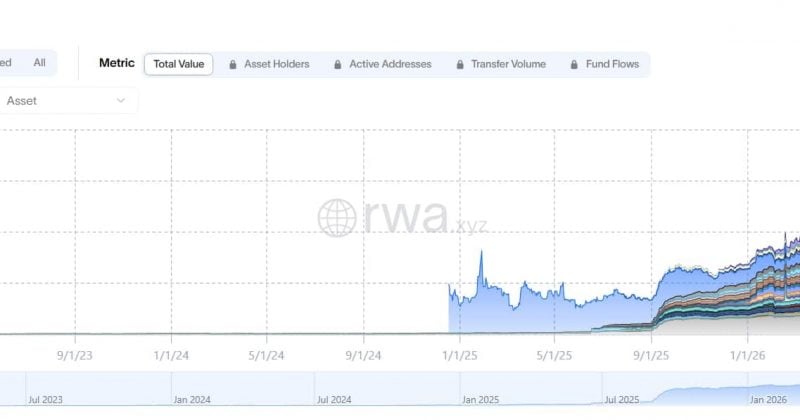
Most crypto users have probably never heard of Alpaca, but the company has carved out a remarkable position in the tokenized securities space. The regulated broker-dealer handles execution, clearing, settlement, and custody for trades placed through Binance’s platform. It controls approximately 94% of the market share for tokenized US stock and ETF custody.
The minority equity stake that Binance holds in Alpaca adds another layer to the relationship. It means Binance isn’t just a customer or a revenue-sharing partner.
What this means for investors
The stock lending component carries its own set of considerations. Users should understand that when their shares are lent out, they may lose certain shareholder rights, including voting rights, during the lending period. The 65% profit share going to Binance also means users are getting a relatively modest slice of the lending economics, though they do receive interest payments before the profit split occurs.
The $5 minimum for fractional shares is a deliberate play for accessibility. Unlike Robinhood, Binance’s user base is global, which means millions of people who previously had limited access to US equity markets can now participate with stablecoin deposits.
Alpaca’s near-monopoly on tokenized stock custody is worth watching closely. A 94% market share in any infrastructure category creates both efficiency and concentration risk. If Alpaca experienced a significant operational issue or regulatory challenge, the ripple effects would touch virtually every platform offering tokenized US equities.