
Nexo Earn with Nexo
Bitcoin’s $82K push stalls as Trump torpedoes Iran peace talks

Bitcoin’s $82K push stalls as Trump torpedoes Iran peace talks

Geopolitical friction yanked the rug from under Bitcoin's weekend rally, but the mild pullback tells its own story.

Bitcoin briefly kissed $82K on Sunday night, riding a wave of cautious optimism that had been building across crypto markets for the past week. Then Monday morning happened.

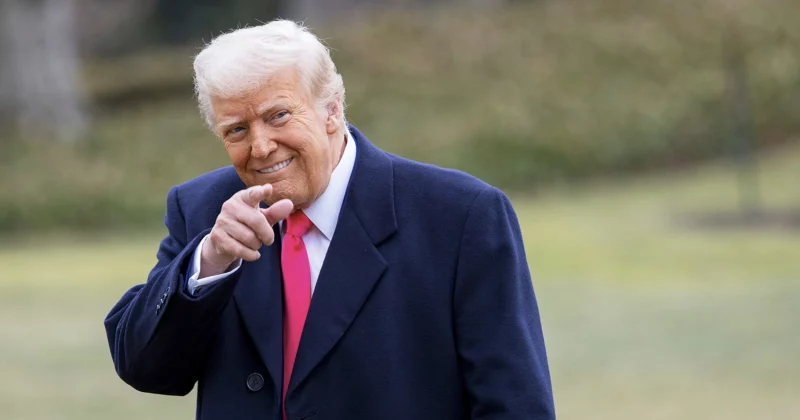
President Trump labeled Iran’s counterproposal in ongoing nuclear negotiations “totally unacceptable,” effectively torpedoing the diplomatic track that markets had been quietly pricing in as a source of de-escalation. Bitcoin slid back to settle near $81K, a roughly 1% haircut that, in crypto terms, barely qualifies as a flinch.

What happened and why it matters

The sequence here is worth unpacking. Bitcoin had posted a 3.2% gain over the previous seven days, according to CoinGecko data, clawing its way back toward levels that suggested traders were warming up to risk again. The Fear and Greed Index, tracked by Alternative.me, had climbed from 40 (solidly in “Fear” territory) the prior week to 48, just two points shy of “Neutral.”

That slow thaw got flash-frozen the moment Trump’s comments hit the wire. The Strait of Hormuz, the narrow waterway through which roughly a fifth of the world’s oil passes on any given day, remains a chokepoint under elevated tension. Brent crude has stayed pinned near $100 a barrel, a price level that acts like a tax on every economy that imports energy, which is most of them.

High oil prices tend to feed inflation expectations. Inflation expectations tend to make central banks more hawkish. Hawkish central banks tend to make risk assets, including crypto, less attractive. It’s a chain reaction, and Trump just added fuel to the first link.

Here’s the thing, though. Bitcoin’s 24-hour change at the time of the pullback sat at +0.4%. It didn’t dump. It slid. The difference matters.

The resilience underneath the surface

Look at how the rest of the market responded. Ethereum held around $2,300, barely moving with a 24-hour change of -0.1%. Solana actually posted a 1.9% gain over the same period, settling near $96. XRP parked itself at $1.48.

In a market that spent much of 2022 and 2023 cratering on any geopolitical headline, this kind of muted reaction is notable. It suggests that the current cohort of Bitcoin holders is either more patient, more institutional, or simply more accustomed to noise than the traders who panicked during previous cycles.

The DeFi category, often the most volatile corner of crypto, was essentially flat on the week at 0.0% according to CoinGecko’s sector tracking. That’s not bullish, but it’s not the kind of broad liquidation cascade that geopolitical shocks used to trigger.

One way to read this: the market has already priced in a significant amount of macro uncertainty. When everyone’s already nervous, it takes a bigger shock to move the needle. The Fear and Greed Index sitting at 48 confirms the vibe. Not euphoric, not panicked, just… waiting.

The oil-crypto connection investors should watch

The Strait of Hormuz situation deserves more attention than it’s getting in crypto circles. With Brent crude hovering near $100, the macro backdrop for risk assets is materially different than it was even a few months ago. Energy costs at these levels put pressure on corporate margins, consumer spending, and central bank rate decisions all at once.

For Bitcoin specifically, the relationship is complicated. On one hand, expensive oil creates the kind of inflationary environment that makes Bitcoin’s fixed-supply narrative more compelling. On the other hand, it also strengthens the case for keeping interest rates elevated, which historically pulls capital away from speculative assets and into safer yields.

The collapse of Iran negotiations adds another variable. If diplomatic channels stay frozen, the oil premium built into Brent’s price isn’t going anywhere. That means the macro headwind persists, and Bitcoin’s next attempt at $82K, or anything above it, will need to fight through thicker air.

What’s worth watching in the coming days is whether the Fear and Greed Index continues its climb toward neutral or reverses back toward fear. The jump from 40 to 48 in a single week was meaningful, reflecting genuine shifts in positioning and sentiment. If that trend holds despite the Iran headlines, it would suggest that the market’s floor is firming up in a way that could support another push higher.

For now, Bitcoin is doing what it increasingly does best during geopolitical turbulence: not much. And in a market conditioned to expect violent reactions, “not much” might be the most bullish signal available.

Disclosure: This article was edited by Estefano Gomez. For more information on how we create and review content, see our Editorial Policy.

Bitcoin’s $82K push stalls as Trump torpedoes Iran peace talks

Bitcoin’s $82K push stalls as Trump torpedoes Iran peace talks

Geopolitical friction yanked the rug from under Bitcoin's weekend rally, but the mild pullback tells its own story.

Bitcoin briefly kissed $82K on Sunday night, riding a wave of cautious optimism that had been building across crypto markets for the past week. Then Monday morning happened.

President Trump labeled Iran’s counterproposal in ongoing nuclear negotiations “totally unacceptable,” effectively torpedoing the diplomatic track that markets had been quietly pricing in as a source of de-escalation. Bitcoin slid back to settle near $81K, a roughly 1% haircut that, in crypto terms, barely qualifies as a flinch.

What happened and why it matters

The sequence here is worth unpacking. Bitcoin had posted a 3.2% gain over the previous seven days, according to CoinGecko data, clawing its way back toward levels that suggested traders were warming up to risk again. The Fear and Greed Index, tracked by Alternative.me, had climbed from 40 (solidly in “Fear” territory) the prior week to 48, just two points shy of “Neutral.”

That slow thaw got flash-frozen the moment Trump’s comments hit the wire. The Strait of Hormuz, the narrow waterway through which roughly a fifth of the world’s oil passes on any given day, remains a chokepoint under elevated tension. Brent crude has stayed pinned near $100 a barrel, a price level that acts like a tax on every economy that imports energy, which is most of them.

High oil prices tend to feed inflation expectations. Inflation expectations tend to make central banks more hawkish. Hawkish central banks tend to make risk assets, including crypto, less attractive. It’s a chain reaction, and Trump just added fuel to the first link.

Here’s the thing, though. Bitcoin’s 24-hour change at the time of the pullback sat at +0.4%. It didn’t dump. It slid. The difference matters.

The resilience underneath the surface

Look at how the rest of the market responded. Ethereum held around $2,300, barely moving with a 24-hour change of -0.1%. Solana actually posted a 1.9% gain over the same period, settling near $96. XRP parked itself at $1.48.

In a market that spent much of 2022 and 2023 cratering on any geopolitical headline, this kind of muted reaction is notable. It suggests that the current cohort of Bitcoin holders is either more patient, more institutional, or simply more accustomed to noise than the traders who panicked during previous cycles.

The DeFi category, often the most volatile corner of crypto, was essentially flat on the week at 0.0% according to CoinGecko’s sector tracking. That’s not bullish, but it’s not the kind of broad liquidation cascade that geopolitical shocks used to trigger.

One way to read this: the market has already priced in a significant amount of macro uncertainty. When everyone’s already nervous, it takes a bigger shock to move the needle. The Fear and Greed Index sitting at 48 confirms the vibe. Not euphoric, not panicked, just… waiting.

The oil-crypto connection investors should watch

The Strait of Hormuz situation deserves more attention than it’s getting in crypto circles. With Brent crude hovering near $100, the macro backdrop for risk assets is materially different than it was even a few months ago. Energy costs at these levels put pressure on corporate margins, consumer spending, and central bank rate decisions all at once.

For Bitcoin specifically, the relationship is complicated. On one hand, expensive oil creates the kind of inflationary environment that makes Bitcoin’s fixed-supply narrative more compelling. On the other hand, it also strengthens the case for keeping interest rates elevated, which historically pulls capital away from speculative assets and into safer yields.

The collapse of Iran negotiations adds another variable. If diplomatic channels stay frozen, the oil premium built into Brent’s price isn’t going anywhere. That means the macro headwind persists, and Bitcoin’s next attempt at $82K, or anything above it, will need to fight through thicker air.

What’s worth watching in the coming days is whether the Fear and Greed Index continues its climb toward neutral or reverses back toward fear. The jump from 40 to 48 in a single week was meaningful, reflecting genuine shifts in positioning and sentiment. If that trend holds despite the Iran headlines, it would suggest that the market’s floor is firming up in a way that could support another push higher.

For now, Bitcoin is doing what it increasingly does best during geopolitical turbulence: not much. And in a market conditioned to expect violent reactions, “not much” might be the most bullish signal available.

Disclosure: This article was edited by Estefano Gomez. For more information on how we create and review content, see our Editorial Policy.