
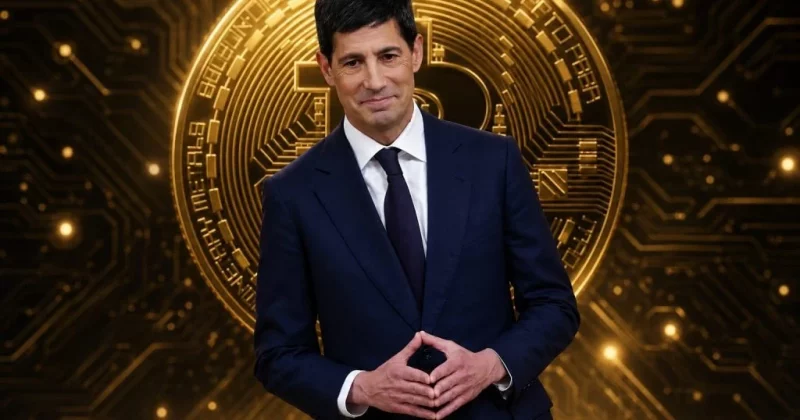
Bitcoin falls to $74,190 as Kevin Warsh becomes Fed chair, raising rate hike fears
The new Fed chairman may be pro-crypto, but his hawkish inflation stance is already punishing risk assets.
Bitcoin dropped to $74,190 over the weekend, its lowest price in more than a month, just one day after Kevin Warsh was sworn in as the 17th Chair of the Federal Reserve Board of Governors.
Warsh is widely considered one of the most crypto-friendly Fed chairs in history. He’s publicly said Bitcoin “does not make me nervous” and has disclosed personal investments in crypto-related projects. None of that mattered when traders started digesting what his appointment actually means for monetary policy.
The hawkish reality behind the pro-crypto label
With inflation hovering around 3.8% at the time of his swearing-in on May 22, Warsh inherits a price stability problem that remains stubbornly above the Fed’s 2% target. His past commentary has consistently leaned hawkish, favoring tighter monetary conditions to wrestle inflation down rather than accommodating growth with easy money.
Market expectations for Fed rate cuts in 2026 have been slashed significantly since Warsh’s nomination by President Donald Trump back in March. Rising short-term bond yields are reinforcing the message.
A familiar pattern for Bitcoin
Bitcoin’s sensitivity to Fed policy is nothing new. The 2022 bear market was largely driven by the most aggressive rate-hiking cycle in decades under Jerome Powell. BTC lost roughly 65% of its value that year as the Fed raised rates from near zero to over 5%.
The news moving money, markets, and the world—before your day starts.
Daily. Free. Join 34,000+ readers across crypto, finance, and policy.
Warsh’s confirmation by the Senate was initially greeted with cautious optimism by the crypto community. Here was a Fed chair who had openly acknowledged the role of digital assets in modern finance. Instead, the market got a reminder that macroeconomic gravity doesn’t care about any single policymaker’s personal views on digital assets.
His four-year term runs through May 21, 2030.
What this means for crypto investors
If the Fed signals even a modest rate hike later this year, Bitcoin could face further downside pressure. The $74K level is a psychologically important zone, and a sustained break below it would likely trigger additional selling from leveraged positions.
Traders should watch short-term treasury yields as a leading indicator. If 2-year yields continue climbing, the bond market is effectively betting that Warsh will tighten.
There’s also the stagflation question. Inflation at 3.8% combined with a hawkish Fed creates conditions where economic growth could slow while prices remain elevated. Gold tends to outperform in stagflationary periods, while speculative investments get hammered.