
New Bitcoin mine proposed in Mississippi could lower energy bills, but the math is murky
A 30 MW crypto mining facility pitched for Starkville is drawing attention for what it promises residents, and skepticism about whether it can deliver
A new crypto mining facility is being pitched for Starkville, Mississippi, and local officials are being told it could lower energy bills for families. That claim is doing a lot of heavy lifting.
The proposal, which surfaced on June 16, 2026, calls for a 30 megawatt facility near a Starkville Utilities substation on Industrial Park Road. If approved, the operation would become the second-largest customer of Starkville Utilities, behind only the city’s largest existing industrial accounts.
What’s actually being proposed
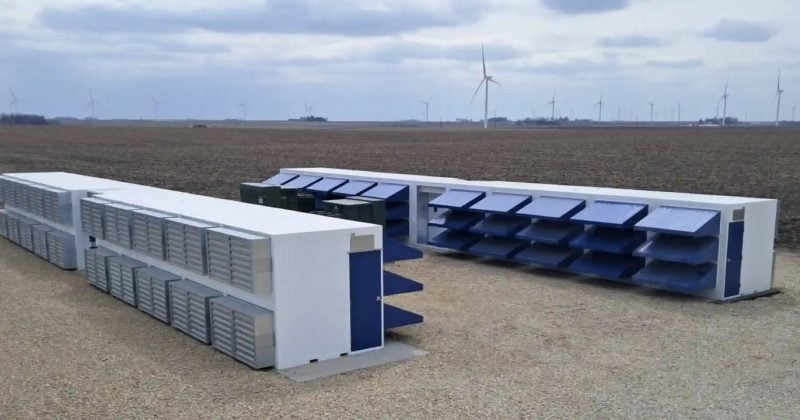
The proposed Starkville facility would pull up to 30 MW of power continuously and would require up to 20,000 gallons of water per day, used primarily for cooling the hardware.
The pitch to local officials centers on a straightforward economic argument: a large new customer signing on to a municipal utility can help spread fixed infrastructure costs across a wider base, theoretically reducing the per-unit cost for everyone else on the grid.
The project remains in early review stages. No confirmed approval has been issued as of the latest available reporting, and the proposal has not yet cleared the regulatory and community input processes that typically precede a green light for facilities of this scale.
The energy bill promise and its complications
Communities in states ranging from Texas to Kentucky and New York have navigated versions of this tension. In some cases, mining operators have negotiated favorable industrial rates that shift a disproportionate cost burden onto residential customers. Regulators in multiple states have opened formal inquiries into exactly this dynamic over the past few years.
The news moving money, markets, and the world—before your day starts.
Daily. Free. Join 34,000+ readers across crypto, finance, and policy.
Mississippi’s legislature moved in 2023 to protect Bitcoin mining operations through state-level legislation, signaling a broadly favorable regulatory posture at the state level.
No mechanism has been publicly identified or documented that would directly reduce residential energy costs as a result of this specific project. The claim that bills could drop is plausible in theory under the right rate structure, but it has not been substantiated with specifics tied to this proposal.
Mississippi’s growing profile in Bitcoin mining
CleanSpark, one of the larger publicly traded Bitcoin mining companies in the US, acquired multiple mining sites in Mississippi in 2024 for multi-million dollar sums, adding to the state’s existing mining infrastructure.
The Starkville facility, if approved, would be positioned next to an existing utility substation, a site likely chosen at least partly for its grid proximity, which reduces the infrastructure buildout required to connect a high-demand operation to reliable power.
Mining facilities generate relatively few jobs per megawatt of power consumed compared to traditional industrial tenants, which is a point critics regularly raise in local approval processes.
What investors and residents should watch
For Starkville residents and ratepayers, the key question is whether the city’s utility commission will negotiate a rate structure that genuinely benefits the broader customer base or primarily subsidizes an industrial operator’s power costs.
The project’s early review status means there are still multiple decision points before anything gets built. Community feedback, utility commission votes, and environmental review processes all sit between the current proposal and a functioning mining facility.