
Bitcoin mining activity rises in Ethiopia as country becomes unlikely crypto powerhouse

Bitcoin mining activity rises in Ethiopia as country becomes unlikely crypto powerhouse

Ethiopia has legalized mining while banning crypto trading, creating a unique regulatory framework that's attracting Chinese mining firms and global operators chasing some of the world's cheapest electricity.

Ethiopia, a country where nearly half the population still lacks access to electricity, is quietly becoming one of the world’s most important Bitcoin mining destinations. The BBC reports that mining activity is increasing across the East African nation, which legalized the practice in 2022 while maintaining a strict ban on cryptocurrency trading.

How Ethiopia became a mining magnet

The story starts with water. Specifically, the Grand Ethiopian Renaissance Dam, one of the largest hydroelectric projects on the African continent. The dam generates enormous amounts of renewable energy, and Ethiopia has been looking for ways to monetize its surplus power.

The country has allocated up to 600 MW of power capacity specifically for mining operations, with approximately 27 companies now engaged in the sector.

Mining companies, particularly those displaced from China after its 2021 crackdown, have been hunting for exactly this kind of low-cost energy haven. Ethiopia rolled out the welcome mat at precisely the right moment.

Advertisement

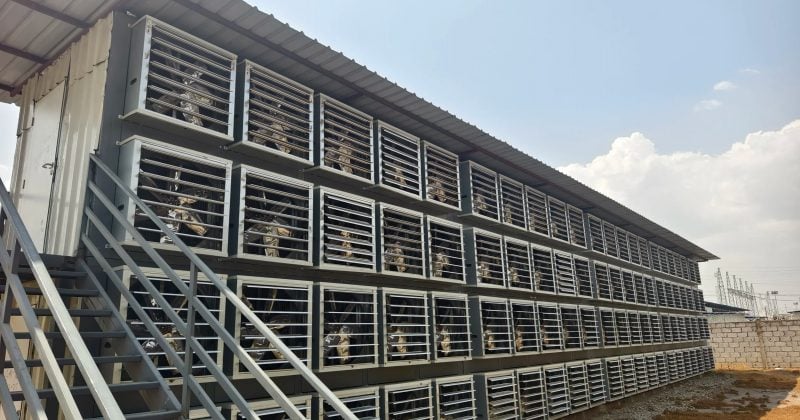
In early December 2024, BIT Mining signed a $14 million deal to acquire 51 MW of capacity and nearly 18,000 mining rigs in the country. Bitdeer, another major player in the space, operates a 40 MW facility there. A Russian firm also established operations outside Addis Ababa by August 2025, further cementing Ethiopia’s growing status as a global mining hub.

At certain points, Ethiopia has ranked as the fourth-largest Bitcoin mining destination globally.

The energy paradox

From the government’s perspective, mining operations represent a reliable revenue stream and an efficient use of surplus hydroelectric power that would otherwise go to waste. From the perspective of the roughly 50% of Ethiopians who don’t have electricity, the calculus is less flattering. Critics have raised pointed questions about whether directing hundreds of megawatts toward Bitcoin mining is the best use of energy resources in a country where basic electrification remains incomplete.

While Ethiopia’s mining operations run largely on hydroelectric power, making them significantly greener than coal-powered operations in other parts of the world, the sheer energy consumption of proof-of-work mining continues to draw scrutiny from climate advocates globally.

What this means for investors

Ethiopia’s rise as a mining hub has real implications for the broader Bitcoin ecosystem. The most immediate effect is on the geographic distribution of Bitcoin’s global hashrate, which refers to the total computational power securing the network.

For mining companies, ultra-low electricity costs directly translate to higher profit margins, especially during periods when Bitcoin’s price compresses and less efficient miners get squeezed out.

Investors eyeing publicly traded mining firms should pay attention to which companies have Ethiopian exposure. BIT Mining and Bitdeer both have established operations there, giving them a cost advantage that could prove significant during the next market downturn.

There are risks, though. Rumors of a potential mining ban surfaced at one point, as referenced in a CoinDesk podcast, though they didn’t materialize into any significant policy shift. Political stability is another factor, as Ethiopia has faced internal conflicts in recent years.

Disclosure: This article was edited by Editorial Team. For more information on how we create and review content, see our Editorial Policy.

Bitcoin mining activity rises in Ethiopia as country becomes unlikely crypto powerhouse

Bitcoin mining activity rises in Ethiopia as country becomes unlikely crypto powerhouse

Ethiopia has legalized mining while banning crypto trading, creating a unique regulatory framework that's attracting Chinese mining firms and global operators chasing some of the world's cheapest electricity.

Ethiopia, a country where nearly half the population still lacks access to electricity, is quietly becoming one of the world’s most important Bitcoin mining destinations. The BBC reports that mining activity is increasing across the East African nation, which legalized the practice in 2022 while maintaining a strict ban on cryptocurrency trading.

How Ethiopia became a mining magnet

The story starts with water. Specifically, the Grand Ethiopian Renaissance Dam, one of the largest hydroelectric projects on the African continent. The dam generates enormous amounts of renewable energy, and Ethiopia has been looking for ways to monetize its surplus power.

The country has allocated up to 600 MW of power capacity specifically for mining operations, with approximately 27 companies now engaged in the sector.

Mining companies, particularly those displaced from China after its 2021 crackdown, have been hunting for exactly this kind of low-cost energy haven. Ethiopia rolled out the welcome mat at precisely the right moment.

Advertisement

In early December 2024, BIT Mining signed a $14 million deal to acquire 51 MW of capacity and nearly 18,000 mining rigs in the country. Bitdeer, another major player in the space, operates a 40 MW facility there. A Russian firm also established operations outside Addis Ababa by August 2025, further cementing Ethiopia’s growing status as a global mining hub.

At certain points, Ethiopia has ranked as the fourth-largest Bitcoin mining destination globally.

The energy paradox

From the government’s perspective, mining operations represent a reliable revenue stream and an efficient use of surplus hydroelectric power that would otherwise go to waste. From the perspective of the roughly 50% of Ethiopians who don’t have electricity, the calculus is less flattering. Critics have raised pointed questions about whether directing hundreds of megawatts toward Bitcoin mining is the best use of energy resources in a country where basic electrification remains incomplete.

While Ethiopia’s mining operations run largely on hydroelectric power, making them significantly greener than coal-powered operations in other parts of the world, the sheer energy consumption of proof-of-work mining continues to draw scrutiny from climate advocates globally.

What this means for investors

Ethiopia’s rise as a mining hub has real implications for the broader Bitcoin ecosystem. The most immediate effect is on the geographic distribution of Bitcoin’s global hashrate, which refers to the total computational power securing the network.

For mining companies, ultra-low electricity costs directly translate to higher profit margins, especially during periods when Bitcoin’s price compresses and less efficient miners get squeezed out.

Investors eyeing publicly traded mining firms should pay attention to which companies have Ethiopian exposure. BIT Mining and Bitdeer both have established operations there, giving them a cost advantage that could prove significant during the next market downturn.

There are risks, though. Rumors of a potential mining ban surfaced at one point, as referenced in a CoinDesk podcast, though they didn’t materialize into any significant policy shift. Political stability is another factor, as Ethiopia has faced internal conflicts in recent years.

Disclosure: This article was edited by Editorial Team. For more information on how we create and review content, see our Editorial Policy.