
Bolivia ends 15-year dollar peg to restore economic stability
The South American nation abandons its fixed exchange rate as foreign reserves crater and a thriving parallel dollar market exposes the unsustainability of the old regime
Bolivia just ripped off a monetary band-aid it had been wearing since 2011. The country’s fixed dollar peg, a cornerstone of its economic policy for 15 years, is officially done.
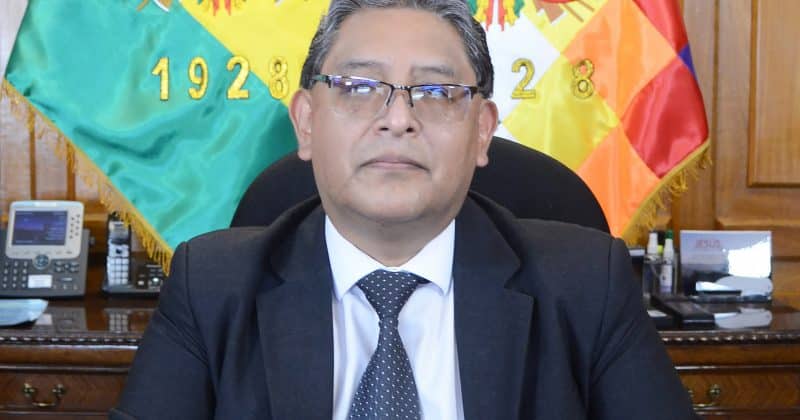
Economy Minister José Gabriel Espinoza announced the shift to a flexible exchange-rate system on May 5, 2026, as the central bank’s reference rate blew past 10 bolivianos per dollar. The move is designed to restore macroeconomic stability in a country where the gap between official and real-world currency prices had become almost comically wide.
A peg that stopped working long before it was removed
Bolivia’s foreign reserves peaked at $15B in 2014. They’ve since fallen to dangerously low levels, leaving the government unable to maintain the fiction of a stable exchange rate.
The result was predictable. A parallel market emerged where dollars traded at rates between 12.9 and 14.5 bolivianos, compared to the official peg. In some cases, parallel market rates were inflated by up to 100% above official levels.
The policy change was fully enacted by June 27, 2026, completing the transition to a floating rate.
The IMF enters the picture
Bolivia isn’t doing this alone. The currency unification is happening alongside negotiations with the International Monetary Fund for a potential Extended Fund Facility estimated between $2.6B and $3.3B.
The news moving money, markets, and the world—before your day starts.
Daily. Free. Join 34,000+ readers across crypto, finance, and policy.
The reserves crisis didn’t appear overnight. Bolivia rode a commodities boom in the 2000s and early 2010s, building up dollar reserves that made the peg sustainable. When commodity prices fell and natural gas revenues declined, the reserves started draining. Emergency measures were implemented by the government in response to the escalating financial crisis, but those were stopgaps.
Crypto fills the vacuum
After the government lifted prior restrictions on cryptocurrency in 2024, transaction volumes surged 530% year-over-year. The numbers tell the story: crypto transaction volumes jumped from $46.5M in the first half of 2024 to $294M in the first half of 2025.
Stablecoins like Tether (USDT) have become particularly popular, with Bolivians adopting them for both payments and hedging purposes.
What this means for investors
The gap between old parallel market rates and the new official floating rate will need to close. Traders who have been profiting from the spread between official and parallel rates will see that arbitrage opportunity shrink, which is exactly the point of the policy change.
The IMF deal, if finalized, would provide a financial cushion during the transition period. But it will also impose fiscal constraints that could limit government spending.