
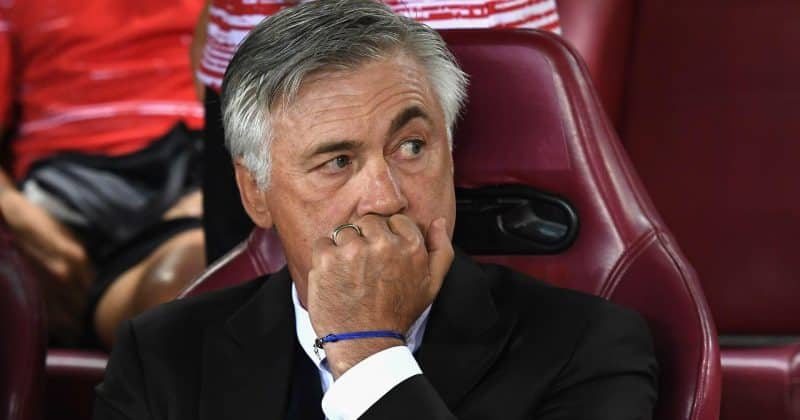
Brazil coach Carlo Ancelotti praises team’s improvement ahead of Scotland match

Brazil coach Carlo Ancelotti praises team’s improvement ahead of Scotland match

The first foreign coach to lead Brazil at a World Cup says patience and tactical growth matter more than opening-game jitters

Carlo Ancelotti is now trying to make Brazil look like Brazil again at a World Cup.

Ahead of the team’s crucial Group C match against Scotland, Ancelotti has pointed to what he sees as meaningful progress from a squad that stumbled out of the gate with a 1-1 draw against Morocco on June 14. A 3-0 victory over Haiti followed, and now the Italian is talking about a team finding its rhythm at exactly the right time.

From shaky start to growing confidence

Ancelotti’s message has been consistent: success in a World Cup is not determined by the opening games but by the team’s development over time.

Advertisement

The 3-0 win over Haiti offered a glimpse of what Ancelotti’s Brazil could look like when the pieces click.

The Neymar factor

Perhaps the most significant development heading into the Scotland match is the expected return of Neymar. The forward had been working through individual training as recently as June 20 and is now in contention to feature against Scotland.

A historic appointment under the microscope

When Ancelotti was appointed in May 2025, the decision was met with a mixture of excitement and skepticism. He became the first foreign coach to lead Brazil at a World Cup, a milestone that carried enormous weight in a country where football coaching is treated as a national birthright.

Ancelotti has emphasized patience and tactical growth since taking over.

What this means for the tournament picture

Brazil’s Group C includes Morocco, Haiti, and Scotland. With four points from two matches (assuming three for the Haiti win and one for the Morocco draw), Brazil are in a solid position but not a comfortable one.

Disclosure: This article was edited by Editorial Team. For more information on how we create and review content, see our Editorial Policy.

Brazil coach Carlo Ancelotti praises team’s improvement ahead of Scotland match

Brazil coach Carlo Ancelotti praises team’s improvement ahead of Scotland match

The first foreign coach to lead Brazil at a World Cup says patience and tactical growth matter more than opening-game jitters

Carlo Ancelotti is now trying to make Brazil look like Brazil again at a World Cup.

Ahead of the team’s crucial Group C match against Scotland, Ancelotti has pointed to what he sees as meaningful progress from a squad that stumbled out of the gate with a 1-1 draw against Morocco on June 14. A 3-0 victory over Haiti followed, and now the Italian is talking about a team finding its rhythm at exactly the right time.

From shaky start to growing confidence

Ancelotti’s message has been consistent: success in a World Cup is not determined by the opening games but by the team’s development over time.

Advertisement

The 3-0 win over Haiti offered a glimpse of what Ancelotti’s Brazil could look like when the pieces click.

The Neymar factor

Perhaps the most significant development heading into the Scotland match is the expected return of Neymar. The forward had been working through individual training as recently as June 20 and is now in contention to feature against Scotland.

A historic appointment under the microscope

When Ancelotti was appointed in May 2025, the decision was met with a mixture of excitement and skepticism. He became the first foreign coach to lead Brazil at a World Cup, a milestone that carried enormous weight in a country where football coaching is treated as a national birthright.

Ancelotti has emphasized patience and tactical growth since taking over.

What this means for the tournament picture

Brazil’s Group C includes Morocco, Haiti, and Scotland. With four points from two matches (assuming three for the Haiti win and one for the Morocco draw), Brazil are in a solid position but not a comfortable one.

Disclosure: This article was edited by Editorial Team. For more information on how we create and review content, see our Editorial Policy.