
Nexo Earn with Nexo
California becomes the epicenter of the 2026 FIFA World Cup, and crypto is coming along for the ride

California becomes the epicenter of the 2026 FIFA World Cup, and crypto is coming along for the ride

Seven national teams are setting up shop in the Golden State, while Kraken's official FIFA sponsorship and blockchain-powered ticketing signal crypto's deepening roots in global sports.

The 2026 FIFA World Cup hasn’t kicked off yet, but California is already winning. Seven national teams, including the US, Australia, and Switzerland, have chosen the Golden State as their tournament home base, turning the stretch from San Diego to the Bay Area into the most concentrated corridor of World Cup activity on the continent.

For crypto, the story is arguably just as big. Kraken was named FIFA’s official crypto exchange supporter on June 9, and the tournament’s underlying infrastructure leans on blockchain rails for both digital collectibles and ticketing.

California’s World Cup footprint

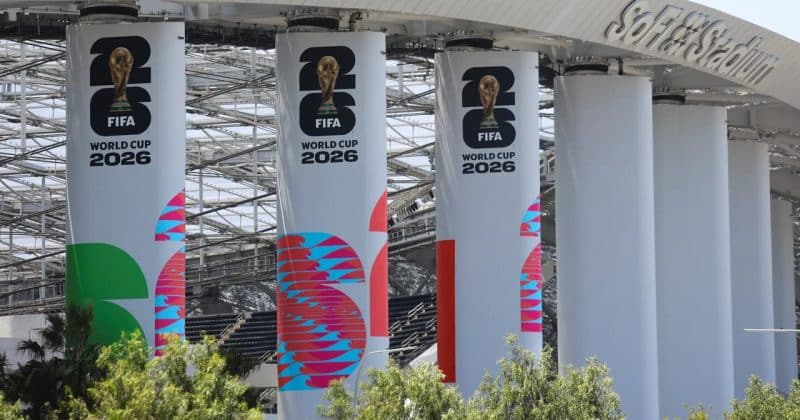
The US Men’s National Team opens the tournament on June 12 at SoFi Stadium in Inglewood, facing Paraguay in what will be one of the most scrutinized home openers in American soccer history. SoFi, the $5B venue that hosted the Super Bowl in 2022, anchors the Southern California side of the World Cup map.

Up north, the San Francisco Bay Area will host six matches at Levi’s Stadium in Santa Clara. That slate includes games featuring both Switzerland and Australia, two teams that have planted deep roots in the region.

Advertisement

Australia’s training base is the Claremont Resort & Club in Oakland Hills, giving the Socceroos access to the Bay Area’s mild summer climate and proximity to their group-stage venue. Switzerland, meanwhile, chose San Diego, where Snapdragon Stadium will serve as the site for pre-tournament friendlies.

Kraken, Algorand, and Avalanche walk into a stadium

Kraken’s role as FIFA’s official crypto exchange supporter includes planned activations across North America throughout the tournament, essentially embedding a major exchange into the fan experience at scale.

Beyond the sponsorship layer, FIFA has been building with blockchain for a while. The organization uses Algorand for digital collectibles, the kind of officially licensed NFTs that let fans own a moment from the tournament. For ticketing, FIFA has turned to Avalanche, putting ticket verification and distribution on-chain to reduce fraud and scalping.

The FIFA Countdown Concert at Crypto.com Arena offered a preview of how these integrations work in practice. Digital tickets, NFT drops, and exchange-branded activations all layered on top of a single event.

What this means for crypto markets and adoption

For Algorand and Avalanche, the exposure is the product. Neither chain dominates DeFi or Layer 1 mindshare the way Ethereum or Solana do. But FIFA partnerships give them something money can’t easily buy: normie credibility. A casual fan who collects a digital World Cup card on Algorand doesn’t care about TPS benchmarks or validator counts. They care that it works and that it came from FIFA.

For Kraken, the calculus is more direct. Exchange volume correlates with attention. A month of global spotlight, combined with on-the-ground activations in stadiums across North America, could translate into new account sign-ups and trading activity.

Investors watching this space should pay attention to on-chain activity on both Algorand and Avalanche as the tournament progresses. Spikes in wallet creation, transaction volume, and NFT trading on those chains would be the clearest signal that FIFA’s blockchain bets are translating into real usage rather than just press releases.

Disclosure: This article was edited by Editorial Team. For more information on how we create and review content, see our Editorial Policy.

California becomes the epicenter of the 2026 FIFA World Cup, and crypto is coming along for the ride

California becomes the epicenter of the 2026 FIFA World Cup, and crypto is coming along for the ride

Seven national teams are setting up shop in the Golden State, while Kraken's official FIFA sponsorship and blockchain-powered ticketing signal crypto's deepening roots in global sports.

The 2026 FIFA World Cup hasn’t kicked off yet, but California is already winning. Seven national teams, including the US, Australia, and Switzerland, have chosen the Golden State as their tournament home base, turning the stretch from San Diego to the Bay Area into the most concentrated corridor of World Cup activity on the continent.

For crypto, the story is arguably just as big. Kraken was named FIFA’s official crypto exchange supporter on June 9, and the tournament’s underlying infrastructure leans on blockchain rails for both digital collectibles and ticketing.

California’s World Cup footprint

The US Men’s National Team opens the tournament on June 12 at SoFi Stadium in Inglewood, facing Paraguay in what will be one of the most scrutinized home openers in American soccer history. SoFi, the $5B venue that hosted the Super Bowl in 2022, anchors the Southern California side of the World Cup map.

Up north, the San Francisco Bay Area will host six matches at Levi’s Stadium in Santa Clara. That slate includes games featuring both Switzerland and Australia, two teams that have planted deep roots in the region.

Advertisement

Australia’s training base is the Claremont Resort & Club in Oakland Hills, giving the Socceroos access to the Bay Area’s mild summer climate and proximity to their group-stage venue. Switzerland, meanwhile, chose San Diego, where Snapdragon Stadium will serve as the site for pre-tournament friendlies.

Kraken, Algorand, and Avalanche walk into a stadium

Kraken’s role as FIFA’s official crypto exchange supporter includes planned activations across North America throughout the tournament, essentially embedding a major exchange into the fan experience at scale.

Beyond the sponsorship layer, FIFA has been building with blockchain for a while. The organization uses Algorand for digital collectibles, the kind of officially licensed NFTs that let fans own a moment from the tournament. For ticketing, FIFA has turned to Avalanche, putting ticket verification and distribution on-chain to reduce fraud and scalping.

The FIFA Countdown Concert at Crypto.com Arena offered a preview of how these integrations work in practice. Digital tickets, NFT drops, and exchange-branded activations all layered on top of a single event.

What this means for crypto markets and adoption

For Algorand and Avalanche, the exposure is the product. Neither chain dominates DeFi or Layer 1 mindshare the way Ethereum or Solana do. But FIFA partnerships give them something money can’t easily buy: normie credibility. A casual fan who collects a digital World Cup card on Algorand doesn’t care about TPS benchmarks or validator counts. They care that it works and that it came from FIFA.

For Kraken, the calculus is more direct. Exchange volume correlates with attention. A month of global spotlight, combined with on-the-ground activations in stadiums across North America, could translate into new account sign-ups and trading activity.

Investors watching this space should pay attention to on-chain activity on both Algorand and Avalanche as the tournament progresses. Spikes in wallet creation, transaction volume, and NFT trading on those chains would be the clearest signal that FIFA’s blockchain bets are translating into real usage rather than just press releases.

Disclosure: This article was edited by Editorial Team. For more information on how we create and review content, see our Editorial Policy.