
Cantor Fitzgerald’s SPAC deal with Adam Back’s Bitcoin venture hits a delay
The shareholder vote for the roughly $4 billion merger between Cantor Equity Partners and BSTR Holdings has been pushed back a week
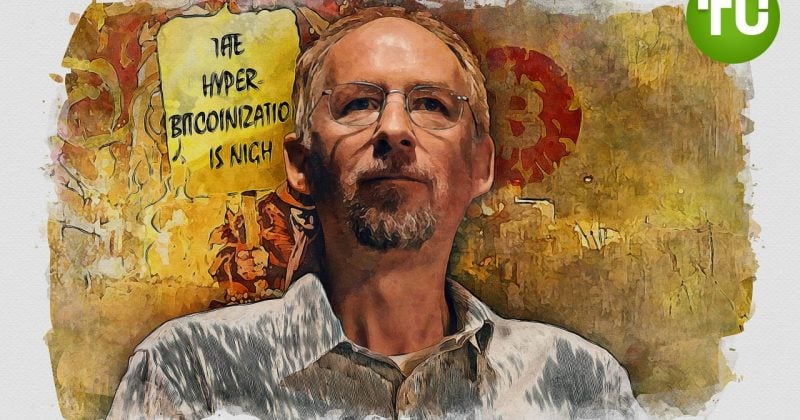
The merger between Cantor Equity Partners I Inc. (CEPO) and BSTR Holdings Inc., the Bitcoin treasury company led by Blockstream CEO Adam Back, has hit a speed bump. The shareholder vote originally set for June 26 has been postponed to July 2.
What’s actually happening here
The deal, first reported in July 2025, involves CEPO acquiring approximately 30,000 Bitcoin from Back and Blockstream Capital. At the time of announcement, that stash was valued at over $3 billion.
In exchange, Back’s side receives equity in the newly formed public company. The overall transaction is valued at around $4 billion when you factor in plans to raise additional external capital.
CEPO went public through its IPO in January 2025, raising approximately $200 million. The SPAC was always designed as a vehicle for something bigger, and the BSTR Holdings merger is that something.
BSTR Holdings would be led by Adam Back as the key figure, with Sean Bill serving as Chief Investment Officer.
The core terms of the deal remain unchanged despite the postponement. No reported alterations to the structure, no renegotiated valuations, no dramatic walk-back language in filings.
The news moving money, markets, and the world—before your day starts.
Daily. Free. Join 34,000+ readers across crypto, finance, and policy.
The bigger picture for Bitcoin treasury plays
Cantor Fitzgerald, the financial services firm behind the SPAC, has deep roots in traditional finance. Brandon Lutnick, the firm’s chairman, has been publicly supportive of crypto-adjacent ventures. The firm has also been involved in previous Bitcoin-related financing activity.
Adam Back brings a different kind of credibility. He’s the inventor of Hashcash, the proof-of-work system that directly inspired Bitcoin’s mining mechanism. He’s one of the few people actually cited in Satoshi Nakamoto’s original Bitcoin whitepaper.
The merger has been developing over nearly a year since its initial reporting. That timeline reflects the complexity of wrapping a massive Bitcoin position into a publicly traded entity while navigating SEC requirements, shareholder approvals, and capital-raising logistics.
What this means for investors
First, there’s Bitcoin price exposure. A company holding 30,000 BTC is, by definition, a leveraged bet on the asset.
Third, there’s the competitive landscape. Strategy holds well over 200,000 BTC on its balance sheet and has become the de facto benchmark for this model. BSTR Holdings would enter the market as a serious player with 30,000 BTC, but it would still be playing catch-up in terms of scale and market recognition.
For now, July 2 is the date to watch.