
Nexo Earn with Nexo
Cape Verde celebrates historic draw against Spain in World Cup debut, and Polymarket traders cashed in big

Cape Verde celebrates historic draw against Spain in World Cup debut, and Polymarket traders cashed in big

A 40-year-old goalkeeper, a stunned football world, and a prediction market trader who turned $427K into $4.7 million

A nation of under 600,000 people just held the reigning European champions to a scoreless draw on the biggest stage in sports. Cape Verde’s 0-0 result against Spain on June 15 in Atlanta wasn’t just a feel-good underdog story. It was a financial event that rippled through prediction markets and reminded the crypto world that real-world outcomes still move real money.

The match marked Cape Verde’s first-ever appearance in a FIFA World Cup. Spain, ranked among the top teams in the world and carrying the weight of their European championship title, were expected to cruise. Pre-match odds on various platforms pegged Spain as roughly -1200 favorites.

Vozinha’s masterclass and the streets that followed

The hero of the night was goalkeeper Josimar José da Cruz Dias, known to fans simply as Vozinha. At 40 years old, he delivered a man-of-the-match performance that will be talked about for decades in Cape Verdean football. Multiple critical saves kept Spain’s attack at bay across 90 minutes.

Advertisement

Cape Verde entered the tournament ranked approximately 64th in FIFA’s global rankings, having completed a strong qualifying campaign back in October 2025.

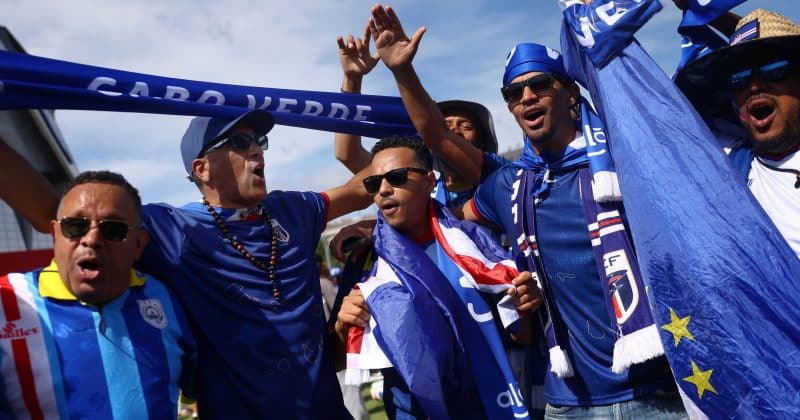
Back home, the celebrations were immediate and visceral. Cape Verdeans poured into the streets, turning the draw into the kind of national moment that smaller countries rarely get to experience on the global stage.

The Polymarket angle: one trader’s $4.3 million payday

On Polymarket, a decentralized platform where users bet on real-world outcomes using crypto, at least one trader made a staggering return by betting against Spain. One trader turned $427,000 into over $4.7 million by wagering that Spain would fail to win. That’s roughly a 10x return on a single 90-minute football match.

What investors and crypto enthusiasts should watch

As of mid-June 2026, there are no official tokens or blockchain projects associated with the Cape Verde national football team.

The absence of any official Cape Verde crypto partnership is both a gap and a warning sign. Any token that surfaces claiming ties to the team or the country’s football federation should be treated with extreme skepticism until verified through official channels.

For traders, the lesson from the Spain match is straightforward: consensus mispricing creates opportunity. When odds are -1200 in favor of one side, even a small allocation to the other side can produce life-changing returns if the unlikely outcome materializes. For every trader who turned $427K into $4.7 million, there are dozens who lost their stake on similar longshot bets that didn’t land.

Disclosure: This article was edited by Editorial Team. For more information on how we create and review content, see our Editorial Policy.

Cape Verde celebrates historic draw against Spain in World Cup debut, and Polymarket traders cashed in big

Cape Verde celebrates historic draw against Spain in World Cup debut, and Polymarket traders cashed in big

A 40-year-old goalkeeper, a stunned football world, and a prediction market trader who turned $427K into $4.7 million

A nation of under 600,000 people just held the reigning European champions to a scoreless draw on the biggest stage in sports. Cape Verde’s 0-0 result against Spain on June 15 in Atlanta wasn’t just a feel-good underdog story. It was a financial event that rippled through prediction markets and reminded the crypto world that real-world outcomes still move real money.

The match marked Cape Verde’s first-ever appearance in a FIFA World Cup. Spain, ranked among the top teams in the world and carrying the weight of their European championship title, were expected to cruise. Pre-match odds on various platforms pegged Spain as roughly -1200 favorites.

Vozinha’s masterclass and the streets that followed

The hero of the night was goalkeeper Josimar José da Cruz Dias, known to fans simply as Vozinha. At 40 years old, he delivered a man-of-the-match performance that will be talked about for decades in Cape Verdean football. Multiple critical saves kept Spain’s attack at bay across 90 minutes.

Advertisement

Cape Verde entered the tournament ranked approximately 64th in FIFA’s global rankings, having completed a strong qualifying campaign back in October 2025.

Back home, the celebrations were immediate and visceral. Cape Verdeans poured into the streets, turning the draw into the kind of national moment that smaller countries rarely get to experience on the global stage.

The Polymarket angle: one trader’s $4.3 million payday

On Polymarket, a decentralized platform where users bet on real-world outcomes using crypto, at least one trader made a staggering return by betting against Spain. One trader turned $427,000 into over $4.7 million by wagering that Spain would fail to win. That’s roughly a 10x return on a single 90-minute football match.

What investors and crypto enthusiasts should watch

As of mid-June 2026, there are no official tokens or blockchain projects associated with the Cape Verde national football team.

The absence of any official Cape Verde crypto partnership is both a gap and a warning sign. Any token that surfaces claiming ties to the team or the country’s football federation should be treated with extreme skepticism until verified through official channels.

For traders, the lesson from the Spain match is straightforward: consensus mispricing creates opportunity. When odds are -1200 in favor of one side, even a small allocation to the other side can produce life-changing returns if the unlikely outcome materializes. For every trader who turned $427K into $4.7 million, there are dozens who lost their stake on similar longshot bets that didn’t land.

Disclosure: This article was edited by Editorial Team. For more information on how we create and review content, see our Editorial Policy.