
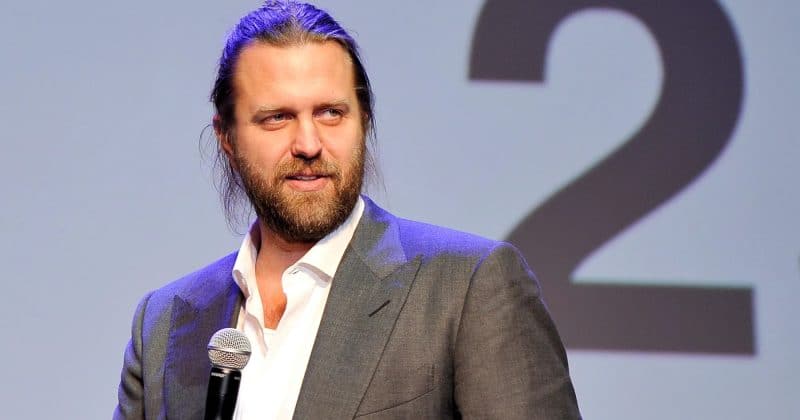
Carl Rinsch sentenced to 30 months for misusing Netflix funds on Dogecoin
The director of 47 Ronin diverted $11 million meant for a sci-fi series into meme coin speculation and luxury purchases, including five Rolls-Royces and $638K worth of mattresses
Carl Erik Rinsch, the director behind the 2013 Keanu Reeves vehicle 47 Ronin, has been sentenced to 30 months in federal prison for defrauding Netflix of $11 million. The funds were earmarked for a sci-fi series called “White Horse” that never materialized. Instead, Rinsch funneled the money into Dogecoin trades and a lifestyle that would make a Dubai influencer blush.
The sentence, handed down on June 29, 2026, also includes three years of supervised release and full restitution of $11 million to Netflix, plus a $700 fine.
From production budget to Dogecoin portfolio
Netflix reportedly advanced more than $55 million for the “White Horse” project between 2018 and 2020. Rinsch took at least $11 million of that and went on what prosecutors described as a spending spree that mixed speculative crypto trading with extravagant personal purchases.
In 2020, Rinsch reportedly poured millions into Dogecoin. At some point he realized profits of around $23 million. But instead of returning the money to Netflix or actually producing the show, Rinsch went shopping.
The receipts are genuinely remarkable. Five Rolls-Royces. A Ferrari. And $638,000 spent on mattresses.
The news moving money, markets, and the world—before your day starts.
Daily. Free. Join 34,000+ readers across crypto, finance, and policy.
Rinsch was found guilty of wire fraud and money laundering on December 11, 2025. The sentencing came roughly seven months later.
Keanu Reeves asked for leniency
The sentencing process included an unusual detail. Keanu Reeves, who starred in Rinsch’s only major feature film, submitted a letter to the court urging leniency. The judge also considered Rinsch’s documented mental health issues and other letters of support from people in his life.
What this means for crypto investors
First, the wire fraud and money laundering convictions confirm that using someone else’s money to buy crypto without authorization is treated exactly the same as any other form of embezzlement.
Second, the restitution order is worth noting. Rinsch must repay $11 million to Netflix, not the $23 million he reportedly made from his Dogecoin trades. Courts are measuring damages by what was stolen, not by what the stolen funds produced through speculation.