
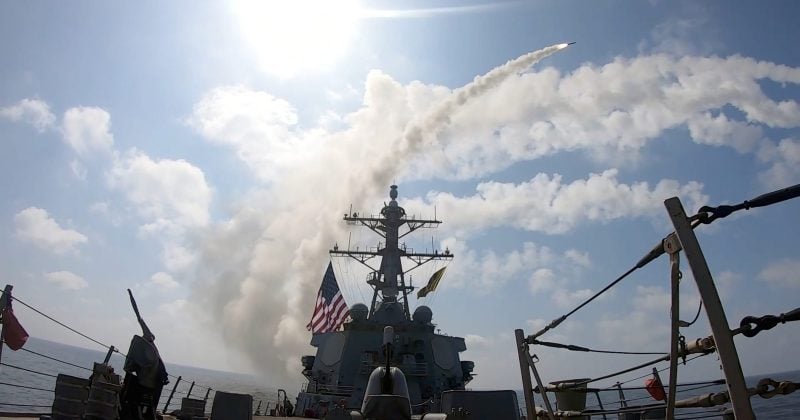
Ceasefire stabilizes oil markets after Operation Epic Fury in Strait of Hormuz

https://gulfif.org/operation-epic-fury-and-the-collapse-of-irans-layered-naval-defense/

Ceasefire stabilizes oil markets after Operation Epic Fury in Strait of Hormuz

US-Iran deal in 2026

The ongoing US-Israel conflict with Iran has not yet resulted in significant disruptions to global energy markets, according to Bloomberg Markets. The military campaign, known as Operation Epic Fury, concluded earlier this year, causing initial supply disruptions by closing the Strait of Hormuz. However, a recent ceasefire has allowed for the reopening of this critical passage, stabilizing the markets. Despite this stability, analysts caution that the full recovery of oil supply may be limited, with some production capacity potentially permanently impacted.

Advertisement

Key Takeaways

  • Current market stability appears consistent with scenarios where a US-Iran deal is less likely, as energy markets have not been significantly disrupted.
  • The lack of major energy market disruptions suggests reduced urgency for reaching a final nuclear agreement between the US and Iran.
  • Ongoing geopolitical tensions and potential supply disruptions could lead to increased speculation about higher crude oil prices, despite current stability.

What to Watch

Observers are closely monitoring the outcomes of the ceasefire and its impact on oil market stability. The potential for renewed conflict or diplomatic breakthroughs could shift market expectations for a US-Iran deal. Key indicators include any announcements regarding the Strait of Hormuz’s operations and further developments in US-Iran negotiations. Market participants are also attentive to any geopolitical developments that could affect crude oil prices, particularly those involving OPEC and global energy demand forecasts.

Get live prediction-market analysis, powered by Vera. Sign up for Vera.

Disclosure: This article was edited by Estefano Gomez. For more information on how we create and review content, see our Editorial Policy.

Ceasefire stabilizes oil markets after Operation Epic Fury in Strait of Hormuz

Ceasefire stabilizes oil markets after Operation Epic Fury in Strait of Hormuz

US-Iran deal in 2026

https://gulfif.org/operation-epic-fury-and-the-collapse-of-irans-layered-naval-defense/

The ongoing US-Israel conflict with Iran has not yet resulted in significant disruptions to global energy markets, according to Bloomberg Markets. The military campaign, known as Operation Epic Fury, concluded earlier this year, causing initial supply disruptions by closing the Strait of Hormuz. However, a recent ceasefire has allowed for the reopening of this critical passage, stabilizing the markets. Despite this stability, analysts caution that the full recovery of oil supply may be limited, with some production capacity potentially permanently impacted.

Advertisement

Key Takeaways

  • Current market stability appears consistent with scenarios where a US-Iran deal is less likely, as energy markets have not been significantly disrupted.
  • The lack of major energy market disruptions suggests reduced urgency for reaching a final nuclear agreement between the US and Iran.
  • Ongoing geopolitical tensions and potential supply disruptions could lead to increased speculation about higher crude oil prices, despite current stability.

What to Watch

Observers are closely monitoring the outcomes of the ceasefire and its impact on oil market stability. The potential for renewed conflict or diplomatic breakthroughs could shift market expectations for a US-Iran deal. Key indicators include any announcements regarding the Strait of Hormuz’s operations and further developments in US-Iran negotiations. Market participants are also attentive to any geopolitical developments that could affect crude oil prices, particularly those involving OPEC and global energy demand forecasts.

Get live prediction-market analysis, powered by Vera. Sign up for Vera.

Disclosure: This article was edited by Estefano Gomez. For more information on how we create and review content, see our Editorial Policy.