
CENTCOM chief Cooper to meet IDF chief Zamir for Lebanon ceasefire talks

CENTCOM chief Cooper to meet IDF chief Zamir for Lebanon ceasefire talks

US and Israeli military commanders are coordinating on Lebanon ceasefire implementation as regional tensions keep risk assets on edge

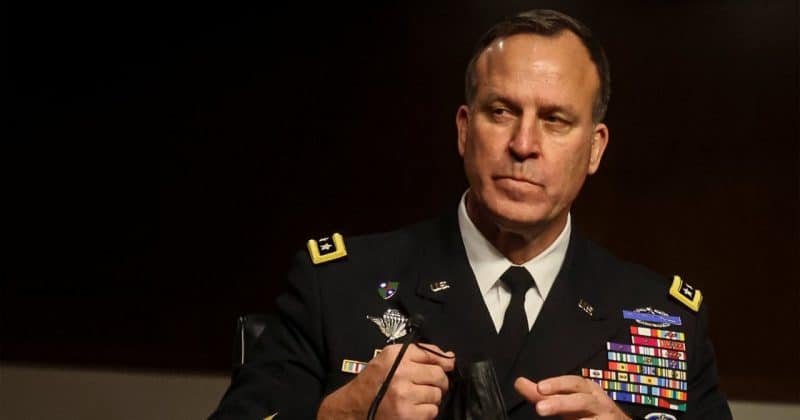
US Central Command chief Adm. Brad Cooper is set to meet with Israeli Defense Forces Chief of the General Staff Lt. Gen. Eyal Zamir in the coming days, with discussions expected to focus on Lebanon ceasefire implementation and broader regional security coordination. No public date has been confirmed for the upcoming meeting, reflecting standard operational security practices around high-level defense engagements.

The two commanders previously met in person in Tel Aviv on January 24, 2026, and have maintained coordination through subsequent calls as tensions involving Hezbollah and stalled ceasefire negotiations have continued across the region.

Advertisement

The core agenda is Lebanon. Specifically, working through the mechanics of a ceasefire that has proven difficult to lock down, with Hezbollah’s posture and the broader regional security architecture both complicating progress.

CENTCOM and the IDF have maintained communication throughout mid-2026. Cooper’s role as CENTCOM commander places him at the center of US military engagement across the Middle East, from the Red Sea to the eastern Mediterranean. Zamir leads the IDF’s general staff as its recently appointed Chief of Staff.

The ceasefire framework that emerged from late 2024 fighting between Israel and Hezbollah has struggled with implementation, and the US has remained actively involved in trying to hold it together.

It is worth being precise: these military talks contain no references to cryptocurrency, blockchain technology, or digital asset policy. The connection to crypto markets runs through macro sentiment, not through any direct policy action.

Institutional crypto investors have grown more attuned to geopolitical risk since 2022, following the Russian invasion of Ukraine. Middle East escalation now registers as a relevant input for crypto portfolio managers in ways it did not previously.

Disclosure: This article was edited by Editorial Team. For more information on how we create and review content, see our Editorial Policy.

CENTCOM chief Cooper to meet IDF chief Zamir for Lebanon ceasefire talks

CENTCOM chief Cooper to meet IDF chief Zamir for Lebanon ceasefire talks

US and Israeli military commanders are coordinating on Lebanon ceasefire implementation as regional tensions keep risk assets on edge

US Central Command chief Adm. Brad Cooper is set to meet with Israeli Defense Forces Chief of the General Staff Lt. Gen. Eyal Zamir in the coming days, with discussions expected to focus on Lebanon ceasefire implementation and broader regional security coordination. No public date has been confirmed for the upcoming meeting, reflecting standard operational security practices around high-level defense engagements.

The two commanders previously met in person in Tel Aviv on January 24, 2026, and have maintained coordination through subsequent calls as tensions involving Hezbollah and stalled ceasefire negotiations have continued across the region.

Advertisement

The core agenda is Lebanon. Specifically, working through the mechanics of a ceasefire that has proven difficult to lock down, with Hezbollah’s posture and the broader regional security architecture both complicating progress.

CENTCOM and the IDF have maintained communication throughout mid-2026. Cooper’s role as CENTCOM commander places him at the center of US military engagement across the Middle East, from the Red Sea to the eastern Mediterranean. Zamir leads the IDF’s general staff as its recently appointed Chief of Staff.

The ceasefire framework that emerged from late 2024 fighting between Israel and Hezbollah has struggled with implementation, and the US has remained actively involved in trying to hold it together.

It is worth being precise: these military talks contain no references to cryptocurrency, blockchain technology, or digital asset policy. The connection to crypto markets runs through macro sentiment, not through any direct policy action.

Institutional crypto investors have grown more attuned to geopolitical risk since 2022, following the Russian invasion of Ukraine. Middle East escalation now registers as a relevant input for crypto portfolio managers in ways it did not previously.

Disclosure: This article was edited by Editorial Team. For more information on how we create and review content, see our Editorial Policy.