
Nexo Earn with Nexo
ChangXin Memory Technologies secures IPO approval to raise over $5B

ChangXin Memory Technologies secures IPO approval to raise over $5B

China's leading DRAM chipmaker is heading to the Shanghai STAR Market in what would be the country's largest IPO since 2022.

China’s biggest memory chip manufacturer just got the green light for a massive public offering that could reshape the country’s semiconductor landscape.

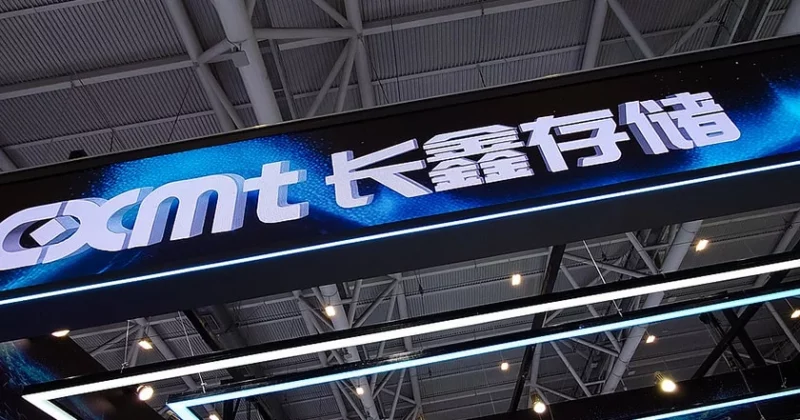
ChangXin Memory Technologies, better known as CXMT, received IPO approval on the Shanghai STAR Market with a target raise of 29.5 billion yuan, roughly $4.3 billion. If the company exercises its over-allotment options, that figure could climb past $5 billion, making it mainland China’s largest IPO since Cnooc pulled in $5.1 billion back in 2022.

A profit surge that demands attention

CXMT’s company isn’t limping to the public markets hoping for a lifeline. It’s arriving with a 1,688% year-on-year profit increase in the first quarter of 2026.

The driver behind those numbers is artificial intelligence. The global appetite for memory chips, particularly DRAM used in servers, PCs, and AI workloads, has been surging. CXMT has been riding that wave, positioning itself as a domestic alternative to the foreign suppliers that have long dominated the market.

Advertisement

Founded around 2016 with significant backing from the Chinese government, CXMT has spent nearly a decade building out its DRAM capabilities. The company is now pushing into more advanced product lines including DDR5 memory and high-bandwidth memory, known as HBM, which powers the GPU clusters running AI training workloads.

HBM has become one of the most supply-constrained components in the entire semiconductor industry. SK Hynix can barely keep up with Nvidia’s demand. Samsung is scrambling to qualify its own HBM products. And Micron is investing billions to expand production.

The liquidity question haunting Chinese markets

Large IPOs in China have a tendency to create short-term liquidity crunches. Institutional investors reallocate capital to participate in hot offerings, retail traders pull funds to subscribe, and the broader market often dips in the process.

CXMT sits at the intersection of two powerful narratives in China: semiconductor self-reliance and AI infrastructure buildout. That kind of strategic importance tends to attract policy support that can cushion market disruptions.

Geopolitics as a tailwind

Washington has spent the past few years systematically restricting China’s access to advanced chipmaking equipment and technology. The restrictions have hit everything from ASML’s lithography machines to Nvidia’s AI accelerators. In response, Beijing has poured resources into domestic alternatives, and CXMT is one of the flagship beneficiaries of that strategy.

Samsung, SK Hynix, and Micron collectively control the vast majority of the global DRAM market. Their technology nodes are more advanced, their production volumes are larger, and their customer relationships run deeper. But the gap has been narrowing, and CXMT’s profit trajectory suggests its products are finding buyers at scale.

What this means for investors

The 1,688% profit growth figure deserves scrutiny. DRAM is a notoriously cyclical industry. Prices swing wildly based on supply and demand dynamics, and the same AI boom fueling CXMT’s profits today could normalize as capacity catches up.

There’s also the question of how much of CXMT’s growth is organic versus subsidized. Government-backed companies in China often benefit from below-market financing, guaranteed procurement contracts, and other forms of support that can inflate near-term profitability.

Disclosure: This article was edited by Editorial Team. For more information on how we create and review content, see our Editorial Policy.

ChangXin Memory Technologies secures IPO approval to raise over $5B

ChangXin Memory Technologies secures IPO approval to raise over $5B

China's leading DRAM chipmaker is heading to the Shanghai STAR Market in what would be the country's largest IPO since 2022.

China’s biggest memory chip manufacturer just got the green light for a massive public offering that could reshape the country’s semiconductor landscape.

ChangXin Memory Technologies, better known as CXMT, received IPO approval on the Shanghai STAR Market with a target raise of 29.5 billion yuan, roughly $4.3 billion. If the company exercises its over-allotment options, that figure could climb past $5 billion, making it mainland China’s largest IPO since Cnooc pulled in $5.1 billion back in 2022.

A profit surge that demands attention

CXMT’s company isn’t limping to the public markets hoping for a lifeline. It’s arriving with a 1,688% year-on-year profit increase in the first quarter of 2026.

The driver behind those numbers is artificial intelligence. The global appetite for memory chips, particularly DRAM used in servers, PCs, and AI workloads, has been surging. CXMT has been riding that wave, positioning itself as a domestic alternative to the foreign suppliers that have long dominated the market.

Advertisement

Founded around 2016 with significant backing from the Chinese government, CXMT has spent nearly a decade building out its DRAM capabilities. The company is now pushing into more advanced product lines including DDR5 memory and high-bandwidth memory, known as HBM, which powers the GPU clusters running AI training workloads.

HBM has become one of the most supply-constrained components in the entire semiconductor industry. SK Hynix can barely keep up with Nvidia’s demand. Samsung is scrambling to qualify its own HBM products. And Micron is investing billions to expand production.

The liquidity question haunting Chinese markets

Large IPOs in China have a tendency to create short-term liquidity crunches. Institutional investors reallocate capital to participate in hot offerings, retail traders pull funds to subscribe, and the broader market often dips in the process.

CXMT sits at the intersection of two powerful narratives in China: semiconductor self-reliance and AI infrastructure buildout. That kind of strategic importance tends to attract policy support that can cushion market disruptions.

Geopolitics as a tailwind

Washington has spent the past few years systematically restricting China’s access to advanced chipmaking equipment and technology. The restrictions have hit everything from ASML’s lithography machines to Nvidia’s AI accelerators. In response, Beijing has poured resources into domestic alternatives, and CXMT is one of the flagship beneficiaries of that strategy.

Samsung, SK Hynix, and Micron collectively control the vast majority of the global DRAM market. Their technology nodes are more advanced, their production volumes are larger, and their customer relationships run deeper. But the gap has been narrowing, and CXMT’s profit trajectory suggests its products are finding buyers at scale.

What this means for investors

The 1,688% profit growth figure deserves scrutiny. DRAM is a notoriously cyclical industry. Prices swing wildly based on supply and demand dynamics, and the same AI boom fueling CXMT’s profits today could normalize as capacity catches up.

There’s also the question of how much of CXMT’s growth is organic versus subsidized. Government-backed companies in China often benefit from below-market financing, guaranteed procurement contracts, and other forms of support that can inflate near-term profitability.

Disclosure: This article was edited by Editorial Team. For more information on how we create and review content, see our Editorial Policy.