
Nexo Earn with Nexo
China posts net forex buy of 93 billion yuan in May as foreign currency demand stays elevated

China posts net forex buy of 93 billion yuan in May as foreign currency demand stays elevated

The State Administration of Foreign Exchange data shows commercial banks continued snapping up foreign currency, pointing to sustained cross-border capital flows.

China’s commercial banks recorded a net foreign exchange purchase of 92.6 billion yuan in May, according to data from the State Administration of Foreign Exchange (SAFE). That’s roughly $12.8 billion worth of net buying pressure on the foreign currency side.

Net forex purchases represent the gap between what banks settle (buying foreign currency on behalf of clients) and what they sell (converting foreign currency back into yuan). A positive net figure means more money is flowing out of yuan and into foreign currencies.

In April, total bank forex settlements reached approximately 1,767.3 billion yuan, while total forex sales came in at around 1,492.0 billion yuan. Those are enormous sums, reflecting the sheer volume of trade-related currency conversion happening every month in a country that remains the world’s largest goods exporter.

Advertisement

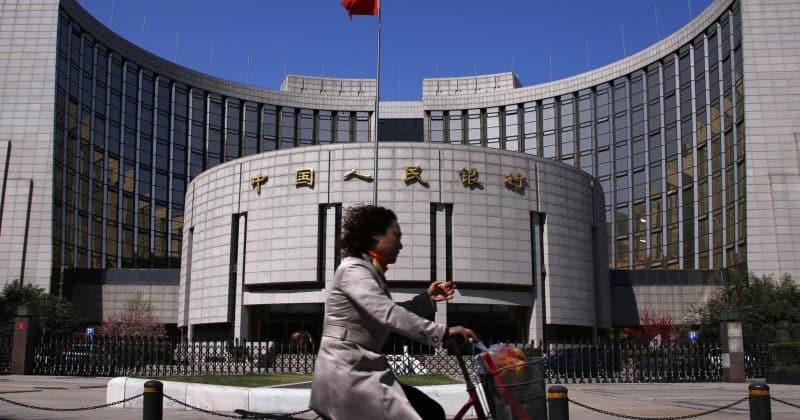
The People’s Bank of China (PBOC) and SAFE together oversee the country’s foreign exchange reserves and currency management policies. A consistent pattern of net forex purchases by commercial banks gives both agencies useful signal on where pressure is building.

Why demand for foreign currency stays strong

Trade flows sit at the top of the list. Chinese exporters earn foreign currency when they sell goods abroad, but importers need foreign currency to pay for raw materials, energy, and components.

Capital movements also play a role. Outbound investment by Chinese companies, dividend payments to foreign shareholders, and overseas education costs all create demand for foreign currency. Meanwhile, foreign direct investment into China and portfolio inflows work in the opposite direction.

China’s capital account isn’t fully open, meaning the government retains significant control over how much money can flow in and out. SAFE sets quotas, monitors transactions, and can tighten or loosen the spigot depending on macroeconomic conditions.

Historically, fluctuations in China’s net forex positions have tracked closely with the country’s trade surplus trajectory and the broader currency management strategies deployed by the PBOC. During periods of yuan weakness, net purchases tend to spike as businesses rush to hedge or convert.

What this means for investors

The data reinforces that traditional foreign exchange transactions remain the dominant channel for cross-border capital movement in China. The country’s longstanding restrictions on cryptocurrency trading and mining ensure that yuan-to-crypto conversions don’t show up in these figures in any meaningful way.

For traders and portfolio managers, the actionable insight is straightforward: keep watching SAFE’s monthly releases. Disruptions to this pattern, whether from a trade war escalation, a sharp yuan devaluation, or unexpected capital controls, would ripple through global risk assets, including digital currencies that have shown increasing sensitivity to macro shifts.

Disclosure: This article was edited by Editorial Team. For more information on how we create and review content, see our Editorial Policy.

China posts net forex buy of 93 billion yuan in May as foreign currency demand stays elevated

China posts net forex buy of 93 billion yuan in May as foreign currency demand stays elevated

The State Administration of Foreign Exchange data shows commercial banks continued snapping up foreign currency, pointing to sustained cross-border capital flows.

China’s commercial banks recorded a net foreign exchange purchase of 92.6 billion yuan in May, according to data from the State Administration of Foreign Exchange (SAFE). That’s roughly $12.8 billion worth of net buying pressure on the foreign currency side.

Net forex purchases represent the gap between what banks settle (buying foreign currency on behalf of clients) and what they sell (converting foreign currency back into yuan). A positive net figure means more money is flowing out of yuan and into foreign currencies.

In April, total bank forex settlements reached approximately 1,767.3 billion yuan, while total forex sales came in at around 1,492.0 billion yuan. Those are enormous sums, reflecting the sheer volume of trade-related currency conversion happening every month in a country that remains the world’s largest goods exporter.

Advertisement

The People’s Bank of China (PBOC) and SAFE together oversee the country’s foreign exchange reserves and currency management policies. A consistent pattern of net forex purchases by commercial banks gives both agencies useful signal on where pressure is building.

Why demand for foreign currency stays strong

Trade flows sit at the top of the list. Chinese exporters earn foreign currency when they sell goods abroad, but importers need foreign currency to pay for raw materials, energy, and components.

Capital movements also play a role. Outbound investment by Chinese companies, dividend payments to foreign shareholders, and overseas education costs all create demand for foreign currency. Meanwhile, foreign direct investment into China and portfolio inflows work in the opposite direction.

China’s capital account isn’t fully open, meaning the government retains significant control over how much money can flow in and out. SAFE sets quotas, monitors transactions, and can tighten or loosen the spigot depending on macroeconomic conditions.

Historically, fluctuations in China’s net forex positions have tracked closely with the country’s trade surplus trajectory and the broader currency management strategies deployed by the PBOC. During periods of yuan weakness, net purchases tend to spike as businesses rush to hedge or convert.

What this means for investors

The data reinforces that traditional foreign exchange transactions remain the dominant channel for cross-border capital movement in China. The country’s longstanding restrictions on cryptocurrency trading and mining ensure that yuan-to-crypto conversions don’t show up in these figures in any meaningful way.

For traders and portfolio managers, the actionable insight is straightforward: keep watching SAFE’s monthly releases. Disruptions to this pattern, whether from a trade war escalation, a sharp yuan devaluation, or unexpected capital controls, would ripple through global risk assets, including digital currencies that have shown increasing sensitivity to macro shifts.

Disclosure: This article was edited by Editorial Team. For more information on how we create and review content, see our Editorial Policy.