
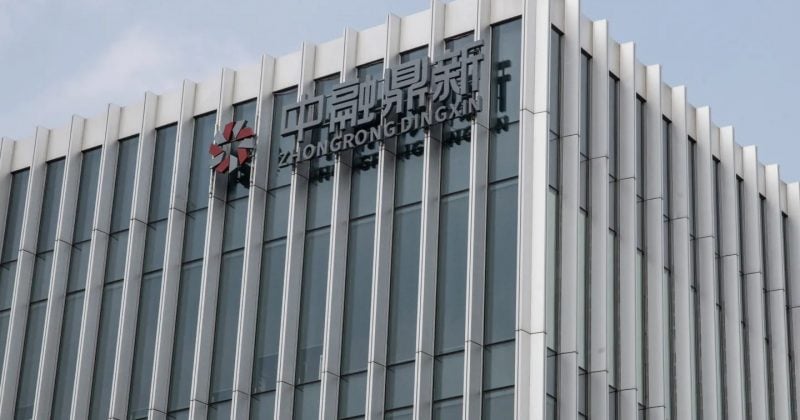
China seizes control of Zhongbang Bank as credit risks mount in private lending sector

China seizes control of Zhongbang Bank as credit risks mount in private lending sector

The takeover of a major online lender signals Beijing's continued willingness to intervene in its fragile banking system, with potential ripple effects for fintech and digital finance.

China’s financial regulators just pulled the emergency brake on another private bank. The National Financial Regulatory Administration (NFRA), working alongside the Hubei provincial government, announced a one-year takeover of Wuhan Zhongbang Bank, citing severe credit risks tied to the lender’s operations.

What happened to Zhongbang Bank

Zhongbang Bank carved out a niche as an online lender focused on supply chain finance, serving small and micro businesses through internet-based lending products.

Advertisement

The bank’s asset base swelled to over 87 billion yuan by December 2021, roughly $12 billion at current exchange rates. It reported a net profit of 405 million yuan in 2023, suggesting the operation was still generating returns even as cracks formed beneath the surface. The bank’s asset base has been declining from that 2021 peak, and the credit risks embedded in its loan portfolio apparently became severe enough for regulators to step in.

A pattern Beijing knows well

This isn’t China’s first rodeo with bank takeovers. The most notable precedent was the 2019 seizure of Baoshang Bank, a lender based in Inner Mongolia that had become dangerously exposed to related-party lending. That intervention sent shockwaves through China’s interbank market and marked a turning point in how regulators approach troubled institutions.

Why crypto and fintech investors should pay attention

There is no direct connection between the Zhongbang Bank takeover and cryptocurrency markets. The bank has not been linked to any digital asset activities, and the intervention is squarely focused on traditional credit risks in its lending portfolio.

The Zhongbang case is worth watching because the bank operated as a digital-first lender. Its business model, serving small businesses through online platforms and supply chain finance, sits at the intersection of traditional banking and fintech. When regulators intervene in institutions like this, they inevitably develop stronger opinions about how digital lending platforms should be supervised.

The one-year takeover timeline gives regulators a defined window to assess the damage and chart a path forward. Whether Zhongbang Bank emerges restructured, merged with a stronger institution, or wound down entirely will say a lot about how Beijing views the future of private digital lending in its financial ecosystem.

Disclosure: This article was edited by Editorial Team. For more information on how we create and review content, see our Editorial Policy.

China seizes control of Zhongbang Bank as credit risks mount in private lending sector

China seizes control of Zhongbang Bank as credit risks mount in private lending sector

The takeover of a major online lender signals Beijing's continued willingness to intervene in its fragile banking system, with potential ripple effects for fintech and digital finance.

China’s financial regulators just pulled the emergency brake on another private bank. The National Financial Regulatory Administration (NFRA), working alongside the Hubei provincial government, announced a one-year takeover of Wuhan Zhongbang Bank, citing severe credit risks tied to the lender’s operations.

What happened to Zhongbang Bank

Zhongbang Bank carved out a niche as an online lender focused on supply chain finance, serving small and micro businesses through internet-based lending products.

Advertisement

The bank’s asset base swelled to over 87 billion yuan by December 2021, roughly $12 billion at current exchange rates. It reported a net profit of 405 million yuan in 2023, suggesting the operation was still generating returns even as cracks formed beneath the surface. The bank’s asset base has been declining from that 2021 peak, and the credit risks embedded in its loan portfolio apparently became severe enough for regulators to step in.

A pattern Beijing knows well

This isn’t China’s first rodeo with bank takeovers. The most notable precedent was the 2019 seizure of Baoshang Bank, a lender based in Inner Mongolia that had become dangerously exposed to related-party lending. That intervention sent shockwaves through China’s interbank market and marked a turning point in how regulators approach troubled institutions.

Why crypto and fintech investors should pay attention

There is no direct connection between the Zhongbang Bank takeover and cryptocurrency markets. The bank has not been linked to any digital asset activities, and the intervention is squarely focused on traditional credit risks in its lending portfolio.

The Zhongbang case is worth watching because the bank operated as a digital-first lender. Its business model, serving small businesses through online platforms and supply chain finance, sits at the intersection of traditional banking and fintech. When regulators intervene in institutions like this, they inevitably develop stronger opinions about how digital lending platforms should be supervised.

The one-year takeover timeline gives regulators a defined window to assess the damage and chart a path forward. Whether Zhongbang Bank emerges restructured, merged with a stronger institution, or wound down entirely will say a lot about how Beijing views the future of private digital lending in its financial ecosystem.

Disclosure: This article was edited by Editorial Team. For more information on how we create and review content, see our Editorial Policy.