
Chinese brokerages seek London Metal Exchange membership to expand global role

Chinese brokerages seek London Metal Exchange membership to expand global role

Three major Chinese futures firms are pushing for direct LME access, a move that could reshape how the world's largest metals consumer trades on the global stage.

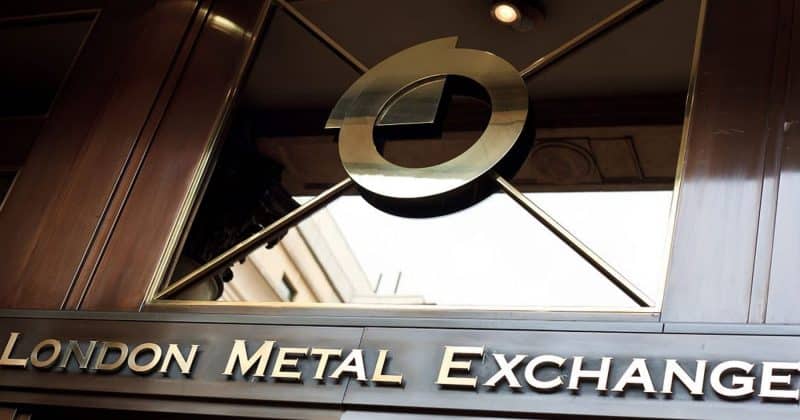
Three of China’s most prominent futures brokerages are knocking on the London Metal Exchange’s door, and this time they’re not looking for a tour. Yongan Futures, Guotai Junan Futures, and Orient Futures are all pursuing membership at the LME, the world’s primary venue for base metals futures and options trading.

China is the world’s leading producer and consumer of industrial metals, yet its brokerages have historically accessed the LME indirectly, routing trades through non-Chinese clearing members.

What’s actually happening

Each of the three firms is at a different stage of the process. Yongan Futures, headquartered in Hangzhou, appears to be the furthest along. The firm established a UK-based entity in 2025 and has already appointed leadership for its London operations.

Guotai Junan Futures is actively in the application process for LME membership. Orient Futures also has plans to pursue membership, though the timeline on that effort remains less defined.

Advertisement

LME membership matters because it enables firms to directly issue and clear contracts on the exchange. Instead of paying intermediaries to handle their trades, these Chinese brokerages would be able to execute and settle transactions themselves. That means lower costs, faster execution, and far more control over their positions in copper, aluminum, nickel, zinc, and other industrial metals.

This isn’t China’s first attempt at expanding its futures industry’s international footprint. Earlier efforts focused on Singapore as a gateway to global markets.

The HKEX connection

The LME hasn’t been a purely British institution for over a decade. Hong Kong Exchanges and Clearing (HKEX) acquired it for £1.4 billion back in 2012.

So Chinese brokerages are, in a sense, seeking membership at an exchange already owned by a Chinese entity. But ownership and participation are two very different things. HKEX owning the LME didn’t automatically translate into Chinese firms having direct trading access. The membership application process, regulatory requirements, and capital commitments still apply regardless of who owns the parent company.

What this means for investors

First, there’s the question of liquidity. Chinese firms are already among the most active participants in base metals markets globally. Giving them direct clearing capabilities on the LME could meaningfully increase trading volumes on the exchange.

Second, there’s the pricing influence angle. Right now, Chinese market participants exert enormous influence on physical metals markets through sheer consumption volume. But their influence on the financial benchmarks set by the LME has been somewhat muted by the fact that they trade through intermediaries. Direct membership would give these firms a louder voice in the price discovery process for metals that underpin everything from electric vehicles to construction to consumer electronics.

Third, and perhaps most importantly for Western trading houses, this represents a competitive threat. Firms like Marex, Sucden Financial, and other LME clearing members that currently handle Chinese order flow could see a meaningful chunk of that business move in-house to the Chinese brokerages themselves.

Disclosure: This article was edited by Editorial Team. For more information on how we create and review content, see our Editorial Policy.

Chinese brokerages seek London Metal Exchange membership to expand global role

Chinese brokerages seek London Metal Exchange membership to expand global role

Three major Chinese futures firms are pushing for direct LME access, a move that could reshape how the world's largest metals consumer trades on the global stage.

Three of China’s most prominent futures brokerages are knocking on the London Metal Exchange’s door, and this time they’re not looking for a tour. Yongan Futures, Guotai Junan Futures, and Orient Futures are all pursuing membership at the LME, the world’s primary venue for base metals futures and options trading.

China is the world’s leading producer and consumer of industrial metals, yet its brokerages have historically accessed the LME indirectly, routing trades through non-Chinese clearing members.

What’s actually happening

Each of the three firms is at a different stage of the process. Yongan Futures, headquartered in Hangzhou, appears to be the furthest along. The firm established a UK-based entity in 2025 and has already appointed leadership for its London operations.

Guotai Junan Futures is actively in the application process for LME membership. Orient Futures also has plans to pursue membership, though the timeline on that effort remains less defined.

Advertisement

LME membership matters because it enables firms to directly issue and clear contracts on the exchange. Instead of paying intermediaries to handle their trades, these Chinese brokerages would be able to execute and settle transactions themselves. That means lower costs, faster execution, and far more control over their positions in copper, aluminum, nickel, zinc, and other industrial metals.

This isn’t China’s first attempt at expanding its futures industry’s international footprint. Earlier efforts focused on Singapore as a gateway to global markets.

The HKEX connection

The LME hasn’t been a purely British institution for over a decade. Hong Kong Exchanges and Clearing (HKEX) acquired it for £1.4 billion back in 2012.

So Chinese brokerages are, in a sense, seeking membership at an exchange already owned by a Chinese entity. But ownership and participation are two very different things. HKEX owning the LME didn’t automatically translate into Chinese firms having direct trading access. The membership application process, regulatory requirements, and capital commitments still apply regardless of who owns the parent company.

What this means for investors

First, there’s the question of liquidity. Chinese firms are already among the most active participants in base metals markets globally. Giving them direct clearing capabilities on the LME could meaningfully increase trading volumes on the exchange.

Second, there’s the pricing influence angle. Right now, Chinese market participants exert enormous influence on physical metals markets through sheer consumption volume. But their influence on the financial benchmarks set by the LME has been somewhat muted by the fact that they trade through intermediaries. Direct membership would give these firms a louder voice in the price discovery process for metals that underpin everything from electric vehicles to construction to consumer electronics.

Third, and perhaps most importantly for Western trading houses, this represents a competitive threat. Firms like Marex, Sucden Financial, and other LME clearing members that currently handle Chinese order flow could see a meaningful chunk of that business move in-house to the Chinese brokerages themselves.

Disclosure: This article was edited by Editorial Team. For more information on how we create and review content, see our Editorial Policy.