
Circle CEO responds to OUSD announcement as stablecoin competition heats up

Circle CEO responds to OUSD announcement as stablecoin competition heats up

Jeremy Allaire points to USDC's network effects and regulatory track record after a 140-company consortium unveiled a rival dollar-pegged stablecoin

The stablecoin market got a lot more interesting on June 30, 2026. A consortium operating under the name Open Standard announced Open USD, or OUSD, a dollar-pegged stablecoin backed by over 140 companies including Stripe, Visa, Mastercard, BlackRock, and Coinbase.

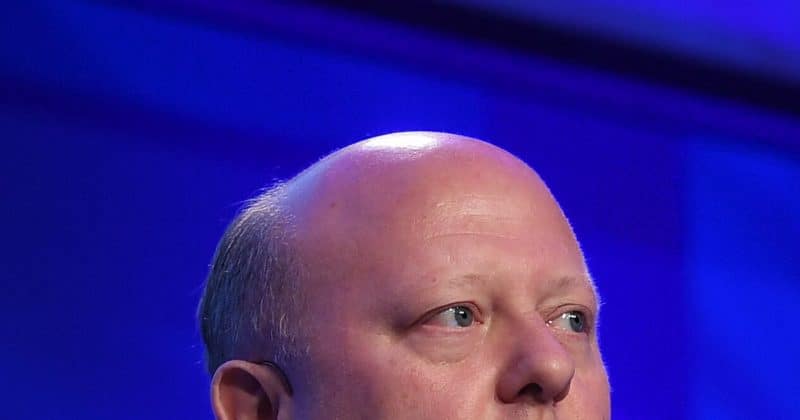
Circle CEO Jeremy Allaire responded publicly, framing OUSD not as a threat but as a new participant in an ecosystem that USDC helped build. The market, however, read the room differently.

What OUSD actually is

OUSD is being designed specifically for enterprise payments and settlement, with a planned rollout on Base and Solana later in 2026. The governance model is notable. Partner companies can mint and burn OUSD freely, and a revenue-sharing structure tied to the stablecoin’s reserves means participating firms have a direct financial incentive to route volume through it.

Circle’s stock dropped between 13% and 17.5% on the day of the announcement.

Advertisement

The selloff signals that markets see OUSD’s yield-sharing model as a direct challenge to the economic architecture Circle has built around USDC.

Where USDC actually stands

USDC’s circulating supply sits at approximately $73 billion, and in the first quarter of 2026 it handled roughly 80% of dollar stablecoin onchain transaction volume.

For context, Tether’s USDT sits at approximately $145 billion in supply, meaning USDC is the clear number two by that measure but the dominant player by transaction activity.

Circle has spent over a decade building the regulatory relationships, banking integrations, and developer infrastructure that USDC runs on. Allaire’s point, essentially, is that a stablecoin is only as useful as the rails it connects to, and USDC has more of those rails than any new entrant.

What this means for the stablecoin landscape

Here’s the thing about OUSD’s revenue-sharing model: it changes the competitive calculus in ways that go beyond market share numbers. If enterprises can earn yield by routing payments through OUSD rather than USDC, Circle may face pressure to restructure how it shares reserve income with its own ecosystem participants.

USDT, meanwhile, remains the global supply leader with its $145 billion in circulation, but it has historically been less focused on the enterprise compliance use case that both USDC and OUSD are targeting.

For investors watching Circle’s stock recovery, the key variables are OUSD’s actual launch timeline, which onchain integrations it secures first, and whether the 140-company consortium can maintain operational coherence once the harder work of deployment begins.

Disclosure: This article was edited by Editorial Team. For more information on how we create and review content, see our Editorial Policy.

Circle CEO responds to OUSD announcement as stablecoin competition heats up

Circle CEO responds to OUSD announcement as stablecoin competition heats up

Jeremy Allaire points to USDC's network effects and regulatory track record after a 140-company consortium unveiled a rival dollar-pegged stablecoin

The stablecoin market got a lot more interesting on June 30, 2026. A consortium operating under the name Open Standard announced Open USD, or OUSD, a dollar-pegged stablecoin backed by over 140 companies including Stripe, Visa, Mastercard, BlackRock, and Coinbase.

Circle CEO Jeremy Allaire responded publicly, framing OUSD not as a threat but as a new participant in an ecosystem that USDC helped build. The market, however, read the room differently.

What OUSD actually is

OUSD is being designed specifically for enterprise payments and settlement, with a planned rollout on Base and Solana later in 2026. The governance model is notable. Partner companies can mint and burn OUSD freely, and a revenue-sharing structure tied to the stablecoin’s reserves means participating firms have a direct financial incentive to route volume through it.

Circle’s stock dropped between 13% and 17.5% on the day of the announcement.

Advertisement

The selloff signals that markets see OUSD’s yield-sharing model as a direct challenge to the economic architecture Circle has built around USDC.

Where USDC actually stands

USDC’s circulating supply sits at approximately $73 billion, and in the first quarter of 2026 it handled roughly 80% of dollar stablecoin onchain transaction volume.

For context, Tether’s USDT sits at approximately $145 billion in supply, meaning USDC is the clear number two by that measure but the dominant player by transaction activity.

Circle has spent over a decade building the regulatory relationships, banking integrations, and developer infrastructure that USDC runs on. Allaire’s point, essentially, is that a stablecoin is only as useful as the rails it connects to, and USDC has more of those rails than any new entrant.

What this means for the stablecoin landscape

Here’s the thing about OUSD’s revenue-sharing model: it changes the competitive calculus in ways that go beyond market share numbers. If enterprises can earn yield by routing payments through OUSD rather than USDC, Circle may face pressure to restructure how it shares reserve income with its own ecosystem participants.

USDT, meanwhile, remains the global supply leader with its $145 billion in circulation, but it has historically been less focused on the enterprise compliance use case that both USDC and OUSD are targeting.

For investors watching Circle’s stock recovery, the key variables are OUSD’s actual launch timeline, which onchain integrations it secures first, and whether the 140-company consortium can maintain operational coherence once the harder work of deployment begins.

Disclosure: This article was edited by Editorial Team. For more information on how we create and review content, see our Editorial Policy.