
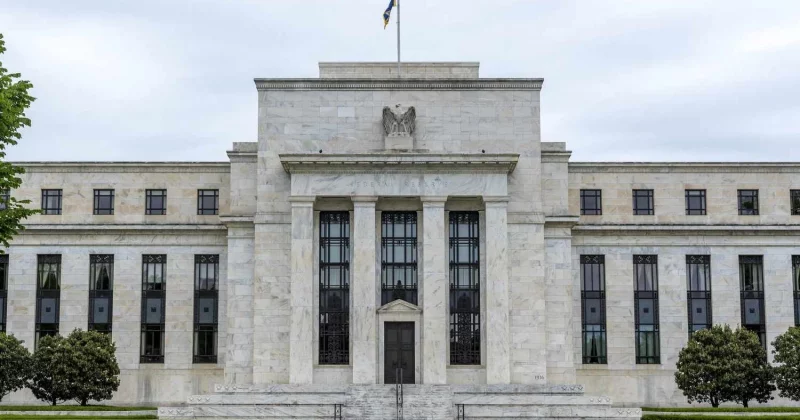
Citigroup economists maintain forecast for Fed rate cuts amid strong US jobs data
While most major banks have walked back their easing predictions after May's blowout payrolls number, Citi's Andrew Hollenhorst is sticking to three cuts in 2026.
Everyone on Wall Street got the same jobs report. Most banks looked at the numbers and quietly shelved their rate cut forecasts. Citigroup looked at the same numbers and said, essentially, “We’re good.”
Economists at Citi, led by chief US economist Andrew Hollenhorst, are holding firm on their call for three 25-basis-point Federal Reserve rate cuts in 2026, targeting September, October, and December. The prediction is increasingly lonely. Other major banks have reduced or outright eliminated their expectations for easing this year after May’s nonfarm payrolls report came in hotter than anyone expected.
The jobs number that shook consensus
The May 2026 employment report, released on June 5, showed the US economy added 172,000 nonfarm payrolls. That figure exceeded all estimates in Bloomberg’s survey of economists.
The unemployment rate held steady at 4.3%.
Hollenhorst acknowledged this tension directly. He noted that Fed officials will likely focus on inflation risks at their upcoming June 16-17 meeting, meaning the strong payrolls number could reinforce the central bank’s wait-and-see posture in the near term.
Hollenhorst expects the labor market to soften meaningfully over the next three months. If he’s right, the window for cuts opens up right on schedule with Citi’s September-October-December timeline.
The news moving money, markets, and the world—before your day starts.
Daily. Free. Join 34,000+ readers across crypto, finance, and policy.
A contrarian call in a crowded room
The broader market has priced in a more hawkish Fed posture. Treasury yields and the dollar have both reacted to the string of stronger-than-expected employment figures that have characterized 2026 so far.
What this means for crypto and risk assets
Bitcoin dropped approximately 0.8% immediately after the May jobs report landed.
If Citi’s forecast proves correct and the Fed does deliver three cuts starting in September, that would represent a meaningful shift in the monetary backdrop for crypto. A 75-basis-point reduction in the federal funds rate over four months would likely revitalize appetite for speculative assets across the board.
The June 16-17 Fed meeting will be the next major catalyst. If the committee’s statement or Chair Powell’s press conference hints at any openness to cuts later this year, expect a swift reaction across digital asset markets.
For now, the smart money is watching the same thing Hollenhorst is watching: the next two or three months of employment data. Those reports will either validate one of Wall Street’s most contrarian calls or quietly bury it.