
13-ton cocaine bust reveals tangled web connecting Irish fintech, Dubai mansions, and US financial networks

13-ton cocaine bust reveals tangled web connecting Irish fintech, Dubai mansions, and US financial networks

Bloomberg investigation traces money laundering trail from Spain's largest drug seizure through a collapsed Dublin fintech company with crypto trading ties

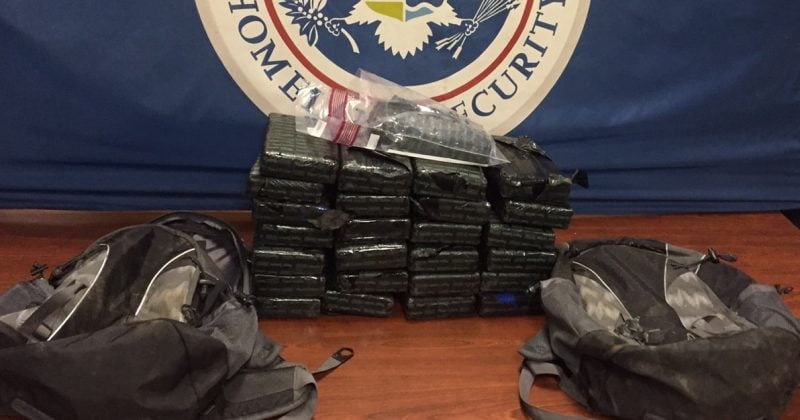
Thirteen tons of cocaine. Hidden in bananas. Shipped from Ecuador to Spain’s port of Algeciras. That’s the starting point of a Bloomberg investigation that traces a money laundering network through an Irish fintech company, Dubai luxury real estate, and US financial circles, raising uncomfortable questions about just how porous the global financial system remains.

The drugs were seized on November 6-7, 2024, making it Spain’s largest cocaine bust on record.

The fintech at the center

Leveris Limited, a Dublin-based fintech founded in 2014, sits at the heart of the investigation. The company collapsed in 2021 carrying roughly €38 million in debts. Its former CFO, Oliver Herrmann, and several board members are now under investigation, though no formal charges have been filed against any of them.

Advertisement

A second Dublin-registered entity, ET Fintech Europe Ltd., has also attracted scrutiny. One of its directors, Juan Angel Cervera Munoz, was arrested in Dubai. That arrest is significant because it ties the fintech investigation directly to the Gulf emirate, where a substantial portfolio of luxury real estate linked to suspects in the case has been identified.

The Dubai property portfolio connected to individuals under investigation totals approximately €21 million. That includes a €10 million mansion on Palm Jumeirah, with the remaining €11 million spread across additional properties in the emirate.

The Kinahan connection

The investigation carries even more weight because of its proximity to the Kinahan cartel, which the US Treasury designated as a transnational criminal organization in 2022. That designation came with sanctions, putting the Kinahans in the same category as groups like the Sinaloa cartel and the Yakuza.

What this means for crypto and fintech investors

The Bloomberg investigation has not confirmed that cryptocurrencies or specific digital tokens were used in this particular money laundering operation. That’s an important caveat. But the involvement of fintech companies described as being involved in crypto trading creates guilt-by-association risk that the broader digital asset industry doesn’t need right now.

For investors conducting due diligence on fintech and crypto companies, this case is a masterclass in what to look for. A company that collapses with €38 million in unexplained debts, board members under investigation, and connections to properties on Palm Jumeirah should set off every alarm in the building.

Disclosure: This article was edited by Editorial Team. For more information on how we create and review content, see our Editorial Policy.

13-ton cocaine bust reveals tangled web connecting Irish fintech, Dubai mansions, and US financial networks

13-ton cocaine bust reveals tangled web connecting Irish fintech, Dubai mansions, and US financial networks

Bloomberg investigation traces money laundering trail from Spain's largest drug seizure through a collapsed Dublin fintech company with crypto trading ties

Thirteen tons of cocaine. Hidden in bananas. Shipped from Ecuador to Spain’s port of Algeciras. That’s the starting point of a Bloomberg investigation that traces a money laundering network through an Irish fintech company, Dubai luxury real estate, and US financial circles, raising uncomfortable questions about just how porous the global financial system remains.

The drugs were seized on November 6-7, 2024, making it Spain’s largest cocaine bust on record.

The fintech at the center

Leveris Limited, a Dublin-based fintech founded in 2014, sits at the heart of the investigation. The company collapsed in 2021 carrying roughly €38 million in debts. Its former CFO, Oliver Herrmann, and several board members are now under investigation, though no formal charges have been filed against any of them.

Advertisement

A second Dublin-registered entity, ET Fintech Europe Ltd., has also attracted scrutiny. One of its directors, Juan Angel Cervera Munoz, was arrested in Dubai. That arrest is significant because it ties the fintech investigation directly to the Gulf emirate, where a substantial portfolio of luxury real estate linked to suspects in the case has been identified.

The Dubai property portfolio connected to individuals under investigation totals approximately €21 million. That includes a €10 million mansion on Palm Jumeirah, with the remaining €11 million spread across additional properties in the emirate.

The Kinahan connection

The investigation carries even more weight because of its proximity to the Kinahan cartel, which the US Treasury designated as a transnational criminal organization in 2022. That designation came with sanctions, putting the Kinahans in the same category as groups like the Sinaloa cartel and the Yakuza.

What this means for crypto and fintech investors

The Bloomberg investigation has not confirmed that cryptocurrencies or specific digital tokens were used in this particular money laundering operation. That’s an important caveat. But the involvement of fintech companies described as being involved in crypto trading creates guilt-by-association risk that the broader digital asset industry doesn’t need right now.

For investors conducting due diligence on fintech and crypto companies, this case is a masterclass in what to look for. A company that collapses with €38 million in unexplained debts, board members under investigation, and connections to properties on Palm Jumeirah should set off every alarm in the building.

Disclosure: This article was edited by Editorial Team. For more information on how we create and review content, see our Editorial Policy.