
Nexo Earn with Nexo
 Coinbase CEO Brian Armstrong to meet Senate Republicans before key crypto vote

 Coinbase CEO Brian Armstrong to meet Senate Republicans before key crypto vote

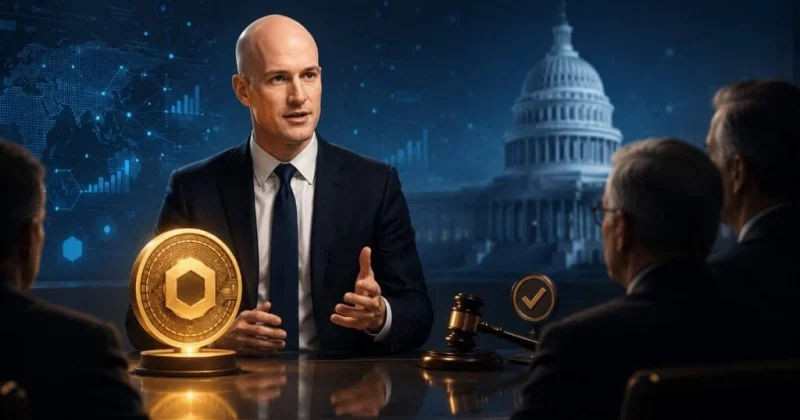
The Senate Banking Committee is preparing to mark up a major crypto market structure bill on Thursday.


Brian Armstrong, the CEO of Coinbase, is expected to attend and speak at the Senate Republican Steering Committee lunch on Wednesday, according to Punchbowl News’ reporter Andrew Desiderio, citing sources familiar with the matter.

The meeting will take place just ahead of Thursday’s Senate Banking Committee markup of a crypto market structure bill. Armstrong has been closely involved in discussions surrounding the proposal and is viewed as a key industry figure helping shape the legislation.

A busy dance card in Washington

Wednesday’s lunch is not a one-off. Armstrong hosted a crypto policy dinner with House Republicans on April 28, and he testified before the Senate Banking Committee on March 15. Three high-profile Washington appearances in roughly two months paints a clear picture: Coinbase is running a full-court press on federal lawmakers.

Advertisement

Coinbase’s lobbying focus has centered on two main areas: how crypto markets should be structured and regulated, and how stablecoins, the dollar-pegged tokens that serve as the plumbing of crypto finance, should be governed. Both issues sit squarely in the Senate’s legislative pipeline right now.

Why Republicans are listening

Crypto’s relationship with the GOP has shifted dramatically since the 2024 elections. Republican control of the Senate created new committee chairs and a friendlier regulatory posture toward digital assets. Industry analysts see Armstrong’s outreach as a sign that crypto’s priorities are increasingly aligning with Republican talking points, particularly around innovation-friendly regulation and energy-efficient mining, according to Decrypt.

Armstrong has been vocal about the potential scale of what’s at stake. A recent CoinDesk op-ed referenced the possibility of a $10 trillion influx of institutional capital into US crypto markets.

What this means for investors

Coinbase shares were up 2.1% at $245 per share following the announcement, while Bitcoin edged up 1.5% to $68,200, according to CoinDesk.

For Coinbase specifically, the regulatory trajectory is existential. The company’s entire business model depends on operating within a clear legal framework in the US. Favorable legislation on market structure could unlock new revenue streams and institutional partnerships.

Coinbase’s $4.1 million lobbying spend and Armstrong’s personal involvement signal that the company is trying to position itself as Washington’s preferred crypto interlocutor. Investors tracking the crypto regulatory landscape should pay less attention to Wednesday’s headlines and more attention to what legislation looks like when it finally hits the Senate floor.

Disclosure: This article was edited by Editorial Team. For more information on how we create and review content, see our Editorial Policy.

 Coinbase CEO Brian Armstrong to meet Senate Republicans before key crypto vote

 Coinbase CEO Brian Armstrong to meet Senate Republicans before key crypto vote

The Senate Banking Committee is preparing to mark up a major crypto market structure bill on Thursday.

Share

Add us on Google

Brian Armstrong, the CEO of Coinbase, is expected to attend and speak at the Senate Republican Steering Committee lunch on Wednesday, according to Punchbowl News’ reporter Andrew Desiderio, citing sources familiar with the matter.

The meeting will take place just ahead of Thursday’s Senate Banking Committee markup of a crypto market structure bill. Armstrong has been closely involved in discussions surrounding the proposal and is viewed as a key industry figure helping shape the legislation.

A busy dance card in Washington

Wednesday’s lunch is not a one-off. Armstrong hosted a crypto policy dinner with House Republicans on April 28, and he testified before the Senate Banking Committee on March 15. Three high-profile Washington appearances in roughly two months paints a clear picture: Coinbase is running a full-court press on federal lawmakers.

Advertisement

Coinbase’s lobbying focus has centered on two main areas: how crypto markets should be structured and regulated, and how stablecoins, the dollar-pegged tokens that serve as the plumbing of crypto finance, should be governed. Both issues sit squarely in the Senate’s legislative pipeline right now.

Why Republicans are listening

Crypto’s relationship with the GOP has shifted dramatically since the 2024 elections. Republican control of the Senate created new committee chairs and a friendlier regulatory posture toward digital assets. Industry analysts see Armstrong’s outreach as a sign that crypto’s priorities are increasingly aligning with Republican talking points, particularly around innovation-friendly regulation and energy-efficient mining, according to Decrypt.

Armstrong has been vocal about the potential scale of what’s at stake. A recent CoinDesk op-ed referenced the possibility of a $10 trillion influx of institutional capital into US crypto markets.

What this means for investors

Coinbase shares were up 2.1% at $245 per share following the announcement, while Bitcoin edged up 1.5% to $68,200, according to CoinDesk.

For Coinbase specifically, the regulatory trajectory is existential. The company’s entire business model depends on operating within a clear legal framework in the US. Favorable legislation on market structure could unlock new revenue streams and institutional partnerships.

Coinbase’s $4.1 million lobbying spend and Armstrong’s personal involvement signal that the company is trying to position itself as Washington’s preferred crypto interlocutor. Investors tracking the crypto regulatory landscape should pay less attention to Wednesday’s headlines and more attention to what legislation looks like when it finally hits the Senate floor.

Disclosure: This article was edited by Editorial Team. For more information on how we create and review content, see our Editorial Policy.