
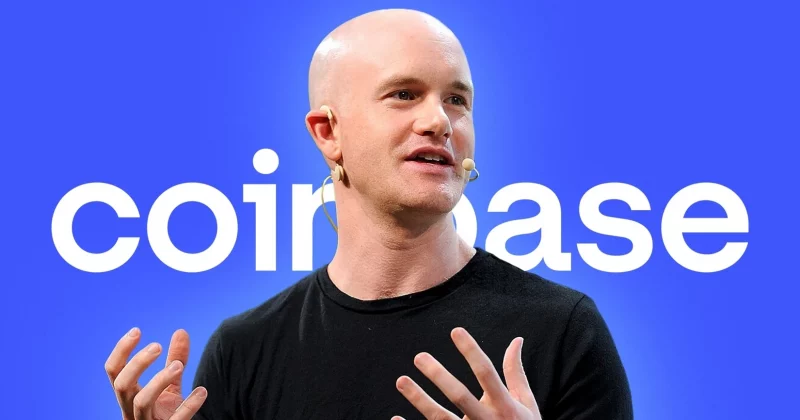
Coinbase CEO Brian Armstrong heads to Senate to advocate for crypto market structure bill
Armstrong's planned testimony comes as Washington continues to wrestle with how to regulate digital assets for tens of millions of American users.
Brian Armstrong, CEO of the largest US-based crypto exchange, is set to address the Senate in support of legislation that would establish a formal regulatory framework for digital assets.
Armstrong’s complicated relationship with crypto legislation
Back on January 15, Armstrong publicly pulled Coinbase’s support for the Senate Banking Committee’s draft of the bill. His reasoning was blunt: the proposed language, he argued, would hand too much power to large banks and undermine competition in the digital asset space.
Armstrong described the bill’s provisions as “deeply unfair” during appearances on FOX Business and CNBC, arguing they would disadvantage millions of Americans who use crypto daily.
He framed the fight in populist terms, citing 52 million US crypto users whose interests he said the bill would undermine by granting banks outsized control over digital asset markets.
Why market structure legislation matters
Without a market structure bill, nobody in Washington has clearly defined authority over crypto. A proper market structure bill would define which tokens qualify as securities (SEC territory) versus commodities (CFTC territory), establish registration pathways for exchanges and other crypto businesses, and create consumer protection standards. Provisions that require crypto firms to partner with or route through traditional banking infrastructure could effectively turn the industry into a subsidiary of Wall Street.
The crypto and markets news you actually need—every morning.
Daily. Free. Join 34,000+ readers across crypto, finance, and policy.
The broader legislative landscape
Capitol Hill opposition has reportedly influenced proposed amendments to the current bill, though crypto-focused media outlets have gone relatively quiet on the topic in recent weeks, with no recent updates surfacing between April 12 and May 12, 2026. As a publicly traded company on the Nasdaq, Coinbase operates under a different set of incentives than most crypto firms, with institutional clients, compliance obligations, and shareholder expectations all demanding regulatory clarity.
What this means for investors
Armstrong’s January objections centered on bank regulatory capture. Any version of the bill he’s now willing to support presumably addresses those concerns. If it doesn’t, his appearance could be more about keeping Coinbase at the negotiating table than endorsing the bill wholesale.
For the 52 million Americans Armstrong says use crypto, the outcome of this legislative fight will determine whether the US becomes a welcoming jurisdiction for digital asset innovation or whether that activity migrates to more accommodating regulatory environments overseas.