
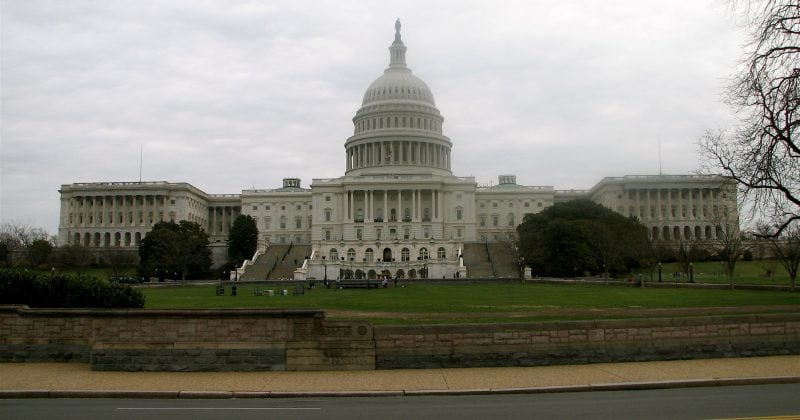
Congress moves closer to enacting sweeping new penalties on Russia over Ukraine war
The Sanctioning Russia Act of 2026 brings tariffs up to 100% on Russian energy buyers, and crypto markets should be paying attention even though digital assets aren't mentioned in the bill
The US Senate is barreling toward passage of the Sanctioning Russia Act of 2026, a sprawling 61-page bill that would impose some of the most aggressive economic penalties on Moscow since the full-scale invasion of Ukraine began. The legislation has bipartisan backing that most bills can only dream about, with over 80 senators co-sponsoring an earlier version.
What’s actually in the bill
The bill proposes tariffs of up to 100% on countries that significantly purchase Russian energy. Any nation continuing to bankroll the Kremlin’s war machine through oil and gas purchases could face punishing trade barriers with the US.
The legislation also takes direct aim at Russia’s shadow fleet, the murky network of aging tankers that Moscow has used to circumvent existing sanctions and keep crude flowing to willing buyers. It targets Russia’s liquefied natural gas exports as well, going after supply chains tied to the country’s defense apparatus.
The bill has nearly doubled in scope from its previous draft, growing from 31 pages to 61. That expansion reflects a more comprehensive approach to choking off Russia’s revenue streams, codifying existing executive sanctions into law while simultaneously tightening the president’s authority to grant waivers.
One particularly notable provision requires mandatory reporting to Congress before any sanctions relief can be granted. In plain English: no president can quietly ease pressure on Moscow without lawmakers knowing about it first.
The White House signaled its agreement with the bill’s framework around July 10, 2026. Senate Majority Leader John Thune has indicated the legislation will move through committee quickly, suggesting floor action could come within weeks rather than months.
Macro, rates, and crypto—what moved markets and what matters next.
Daily. Free. Join 34,000+ readers across crypto, finance, and policy.
The Graham legacy factor
Senator Lindsey Graham, one of the legislation’s lead sponsors and among the most vocal advocates for Ukraine in Congress, passed away shortly after the White House agreement was announced. Graham had been visiting Kyiv at the time of the announcement, underscoring his personal commitment to the cause.
Lawmakers on both sides of the aisle have framed the bill’s passage as a way to honor Graham’s legacy. Over 80 co-sponsors on the earlier version suggests the votes are there for passage.
Why crypto investors should care anyway
The Sanctioning Russia Act of 2026 does not contain a single provision addressing cryptocurrency, digital assets, or blockchain technology.
Back in 2022, when the first wave of Russia sanctions hit, lawmakers floated proposals specifically aimed at preventing crypto exchanges from becoming backdoors for sanctioned entities. Those proposals didn’t make it into law, but they established a clear pattern: every time the US ratchets up economic pressure on a sanctioned nation, the conversation about crypto’s role in evasion follows within months.
The Treasury Department’s Office of Foreign Assets Control has been increasingly sophisticated in tracking blockchain transactions. The 100% tariff threat against Russian energy buyers creates powerful incentives for affected nations to explore workarounds, and crypto has historically been one of the tools in that toolkit.