
Consumer spending rises as cheaper gas eases inflation pressure, and crypto markets are watching closely
Declining energy costs are putting more money in consumers' pockets, and the ripple effects could reach well beyond the gas pump.
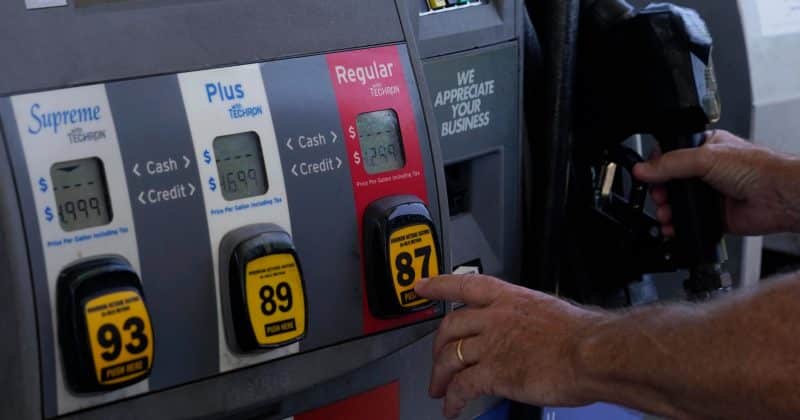
Americans are spending more, and for once the reason is actually good news: gasoline prices are falling. The decline in energy costs is pulling overall inflation lower, with projections suggesting the trend will continue through the summer of 2026.
For crypto investors, this matters more than it might seem at first glance. Cooling inflation has historically been one of the most reliable catalysts for risk-asset rallies, and digital tokens sit squarely in that category.
What’s happening with consumer spending
The spending increase is notable because it’s happening alongside moderating inflation rather than despite it. Consumers feel confident enough to open their wallets, but prices aren’t spiraling upward in response.
Why crypto cares about gas prices
The connection between pump prices and token prices isn’t obvious, but it’s real. Think of it as a chain reaction with about three links.
Link one: cheaper gas means lower headline inflation numbers. Link two: lower inflation reduces pressure on the Federal Reserve to keep interest rates elevated. Link three: when rate-cut expectations rise, capital tends to rotate into riskier assets, including Bitcoin and Ethereum.
Since 2022, inflation trends have been one of the primary drivers of digital asset performance. Every CPI print that came in hotter than expected sent crypto lower. Every print that surprised to the downside gave markets a lift. That pattern hasn’t broken.
Macro, rates, and crypto—what moved markets and what matters next.
Daily. Free. Join 34,000+ readers across crypto, finance, and policy.
If inflation continues its projected downward path through summer 2026, the environment becomes increasingly favorable for assets that thrive when liquidity conditions loosen. Bitcoin and Ethereum, as the two largest tokens by market capitalization, tend to be the first beneficiaries of this kind of macro rotation.
What this means for investors
Lower rates reduce the opportunity cost of holding non-yielding assets. When a savings account pays 5%, the bar for taking risk is high. When that rate drops, suddenly the potential upside of Bitcoin or Ethereum looks comparatively more attractive.
The increased disposable income from cheaper energy costs adds another layer. When households aren’t stretched thin by utility bills and commuting costs, some portion of that freed-up capital finds its way into investment accounts. Retail participation in crypto markets has historically tracked consumer confidence fairly closely.
That said, the risks aren’t trivial. Inflation projections can shift quickly, especially if energy markets experience supply disruptions or geopolitical shocks. A single spike in oil prices could reverse the current narrative in a matter of weeks.
Investors should also consider that markets tend to price in expected rate cuts well before they actually happen. If the Fed’s path toward accommodation is already reflected in current token prices, the actual announcement of cuts might produce a muted response, or even a “sell the news” reaction.