
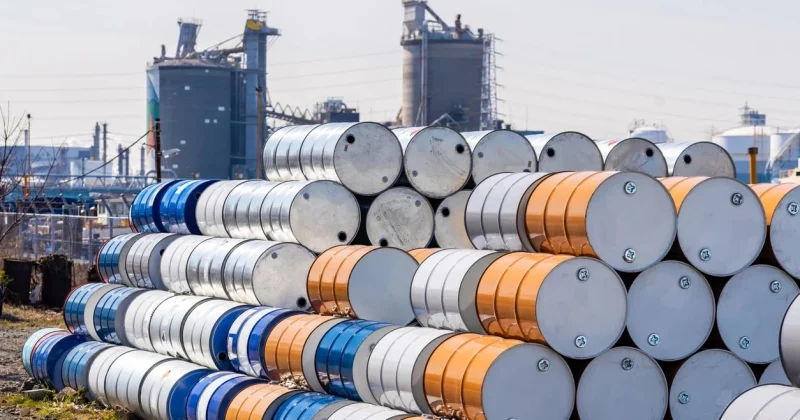
Brent and WTI crude oil prices drop nearly 5% after US-Iran deal reports
Reports of a potential US-Iran peace agreement hammered crude futures, while Bitcoin and risk assets rallied on the news.
Crude oil prices took a beating after reports surfaced suggesting a possible US-Iran deal, with both Brent and WTI futures falling sharply as traders reassessed the risk of supply disruptions in the Middle East.
The selloff reflects a market that had been pricing in sustained geopolitical tension, particularly around the Strait of Hormuz, the narrow waterway through which roughly a fifth of the world’s oil passes daily.
What happened and how deep the cuts went
The initial wave of selling hit on May 6, when an Axios report indicated that US-Iran peace talks were progressing. Brent crude dropped nearly 8% to around $101 a barrel. WTI fared even worse, plunging as much as 11% intraday.
President Trump’s subsequent remarks confirming ongoing negotiations only added fuel to the downward momentum. Through mid-May, crude continued trading in a volatile downtrend, with prices sliding an additional 2-6% as news trickled out about final-stage negotiations.
By May 20-21, WTI settled at $98.26, marking a 5.7% decline on reports of a final draft agreement between the two nations.
Bitcoin played the inverse card
Bitcoin surged toward $82,000 on May 6, rising alongside Nasdaq futures in what amounted to a textbook risk-on rotation. Falling oil prices tend to ease inflation expectations, which in turn makes risk assets more attractive.
Macro, rates, and crypto—what moved markets and what matters next.
Daily. Free. Join 34,000+ readers across crypto, finance, and policy.
No crypto protocols or tokens are directly tied to oil markets, but the sentiment transmission was unmistakable. The same Axios report that cratered Brent crude effectively gave Bitcoin a tailwind.
The bigger picture for energy and macro
The potential for a US-Iran agreement carries implications well beyond a single trading session. Iran holds some of the world’s largest proven oil reserves, and any deal that eases sanctions or normalizes trade relationships could bring significant additional supply onto the global market.
Mixed signals from both Washington and Tehran have kept the market on its toes, though. For every headline suggesting progress, there’s been a counter-narrative of complications. This push-and-pull dynamic is exactly why crude prices remained volatile through mid-May rather than simply collapsing in a straight line.
What this means for investors
For crypto market participants, the oil price decline is worth watching closely. Lower oil prices generally translate to softer inflation readings, which gives central banks more room to cut rates or at least hold off on further tightening.
If negotiations collapse or tensions re-escalate, the oil price snapback could be violent. A rapid reversal in crude would likely drag risk assets down with it, including crypto.
Markets have already priced in significant optimism, which means the downside risk from a negotiation breakdown is arguably greater than the remaining upside from a deal getting finalized. Bitcoin’s $82,000 print on the same day oil cratered is the kind of divergence that gets institutional attention.